Master the Art of Cropped Curls for Defining Tight Coils
What Distinct Characteristics Define Tight Coils in Hair Styling?
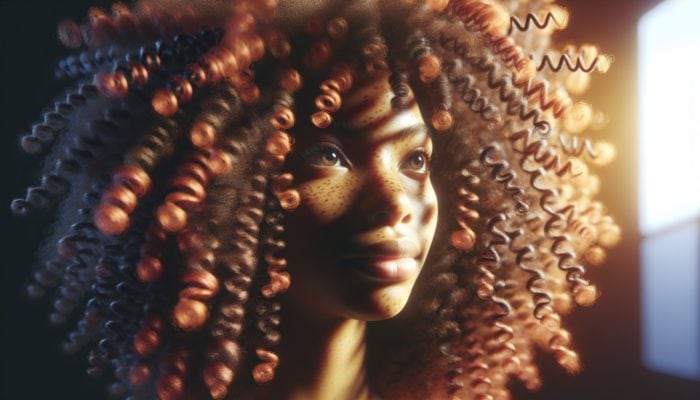
When crafting cropped curls for tight coils, it is crucial to grasp their distinctive features. Tight coils are especially recognised for their intricate formations, often taking on a unique zig-zag pattern that sets them apart from other curl types. This curl category varies significantly in terms of density and texture, which affects styling strategies. Typically classified within the Type 3C to Type 4A brackets of the curl classification system, each type presents its own specific styling challenges and opportunities. For example, individuals with 4A coils may experience greater shrinkage, while 3C coils generally display heightened elasticity. Recognising these differences equips you with the knowledge to implement more customised and effective styling techniques.
To illustrate, the differing styling needs for 3C compared to 4A hair are significant. For 3C hair, opting for layered cuts can bolster both volume and curl definition, whilst for 4A hair, achieving a rounded shape is beneficial for minimising density and frizz. Acknowledging these distinctions is vital for selecting the most appropriate cropping methods that honour the natural curl formation, ultimately resulting in a flattering and practical hairstyle.
What Key Preparation Steps Are Necessary Before Cropping Tight Coils?
Before embarking on the journey of creating cropped curls for tight coils, meticulous preparation is essential. This important process begins with a thorough cleansing of the hair to eliminate any product buildup, followed by a conditioning treatment that boosts curl definition. The choice of suitable products greatly impacts the final look; hence, it is advisable to select sulfate-free shampoos and deeply nourishing conditioners that infuse moisture and essential nutrients into the strands. For instance, employing a leave-in conditioner enriched with natural oils can effectively lock in moisture and reduce frizz, laying a strong foundation for the cropping process.
Additionally, it is wise to gently detangle the hair prior to proceeding with the cut. Using a wide-toothed comb on damp, conditioned hair minimises breakage and ensures a more even cut. This preparatory step not only simplifies the cropping process but also promotes the overall health of tight coils, making them easier to manage and style in the long run.
What Essential Tools Are Required for Achieving the Best Results?
To ensure effective results when cropping tight coils, it is vital to have the right tools at your disposal. Gather the following materials:
- Sharp hair-cutting scissors
- Wide-toothed comb or detangling brush
- Leave-in conditioner or curl cream
- Hair clips for sectioning
- Moisturising styling products
- Diffuser attachment for drying
- Spray bottle filled with water or a hydrating mist
- Microfibre towel for drying
Investing in professional-grade scissors is vital for ensuring clean cuts, which are crucial for maintaining the integrity of tight coils. A wide-toothed comb is indispensable for detangling without disrupting the curl pattern, while the right styling products offer the necessary hold and definition. Each tool plays a significant role in achieving the desired cropped look and should be selected based on the individual’s hair texture and density for optimal results.
What Cutting Techniques Are Most Effective for Cropping Tight Coils?

Creating cropped curls for tight coils requires a thoughtful approach to cutting techniques. One highly effective method involves working in sections, allowing for precision and control throughout the process. Begin by dividing the hair into manageable portions, securing each segment with clips to prevent tangling. When cutting, it is essential to utilise point-cutting techniques—trimming the ends of the hair at an angle creates soft, well-defined curls without blunt edges, leading to a more natural appearance.
For those aiming to enhance their natural curl patterns, consider the curly cut technique. This involves cutting curls while they are in their natural state, preserving the bounce and volume of tight coils and providing a customised shape. Furthermore, for a more polished look, layer the curls by cutting at varying lengths to introduce dimension. Always bear in mind the hair’s natural shrinkage, as this factor plays a crucial role in determining the final length after cutting.
What Key Maintenance Steps Are Required After Cropping Tight Coils?
Maintaining the health and appearance of cropped tight coils demands a consistent care routine. After the cropping process, it is imperative to keep the curls well-moisturised to ensure they remain vibrant and well-defined. Regularly incorporating conditioning treatments, such as deep-conditioning masks, into your weekly regimen is essential for combating dryness and preventing breakage.
In addition to conditioning, utilising a curl-defining cream or gel can assist in maintaining structure and minimising frizz. Embrace protective styling options, such as twists or braids, to shield the coils from environmental stressors. Avoid excessive heat styling, as this can lead to damage; instead, embrace the natural texture by employing a diffuser on a low heat setting to dry curls without disrupting their pattern. By implementing these maintenance strategies, your tight coils can remain healthy and stylish over time.
What Is the Process for Crafting Cropped Curls for Tight Coils?
What Step-by-Step Technique Should Be Followed for Cutting Tight Coils?

The journey of creating cropped curls for tight coils begins with a systematic cutting technique that prioritises the hair’s natural structure. Start by preparing the hair as previously mentioned, ensuring it is clean and well-conditioned. Section the hair into four quadrants and secure them with clips. This segmentation allows for a focused, precise approach, preventing confusion during the cutting process.
Commence with the back section, taking small subsections. Holding the hair taut, utilise point-cutting to trim the ends while paying special attention to areas requiring more definition or shaping. As you transition to the sides and front, consider the face shape and personal preference to determine the appropriate length. For layering, alternate between cutting straight across and at an angle, creating movement and volume while preserving the natural curl pattern. Regularly step back to evaluate the overall shape and make necessary adjustments to ensure symmetry and balance.
Why Is Moisture Essential in Crafting Cropped Curls?
Moisture plays a pivotal role when crafting cropped curls, especially for tight coils. Well-hydrated hair demonstrates significantly greater elasticity, aiding in the prevention of breakage during the cutting process. Furthermore, moisture enhances the visibility of the curl pattern, making it easier to predict how the hair will fall post-cut. Employing a hydrating mist or leave-in conditioner during the cutting process can help keep the curls manageable and reduce frizz, resulting in a cleaner cut.
Moreover, it is vital to maintain optimal moisture levels following cropping. Incorporate hydrating products into your styling routine to help retain the shape and definition of the curls. Consider using a combination of creams and gels that provide both moisture and hold, ensuring that curls remain vibrant and healthy. Well-moisturised tight coils not only appear more polished but also exhibit improved resilience against environmental factors that could lead to frizz or dullness.
What Common Styling Adjustments Should Be Made for Tight Coils?
When crafting cropped curls for tight coils, it is essential to recognise that not all techniques apply universally across diverse curl densities and patterns. For optimal results, minor adjustments tailored to the hair’s unique characteristics should be implemented. For instance, those with looser curls may benefit from less layering, while tighter curls often necessitate more intricate layering to prevent bulkiness.
Consider the angle at which you cut the hair. A diagonal cut can enhance curl definition and shape, while a straight cut may produce a blunt appearance. Regularly evaluate the style as you work, making adjustments based on how the curls respond. Emphasising individual texture and density can create a more personalised, flattering cropped style that showcases the unique beauty of each curl.
What Potential Challenges Might Arise When Cropping Tight Coils, and How Can They Be Addressed?
Crafting cropped curls can present a variety of challenges, particularly with tight coils. A common issue encountered is frizz, which can arise during the cutting process due to inadequate moisture or improper techniques. To mitigate this, always ensure that the hair is sufficiently hydrated before and during cutting. Additionally, utilising anti-frizz products post-cut can help maintain a smooth appearance.
Another challenge is uneven shrinkage, which may occur when curl patterns differ across sections of the hair. To address this issue, it is advisable to cut the hair when it is dry, as this provides a clearer understanding of how the curls will behave once styled. Regularly assess the shape while cutting to ensure that all sections of the hair are proportionate and cohesive. By anticipating these challenges and having effective solutions ready, the crafting process can become significantly smoother and more successful.
Expert Insights on Crafting Cropped Curls for Tight Coils
How Do Professionals Achieve Precise Curl Definitions?
Professionals emphasise the importance of precise layering in defining tight coils. This approach involves understanding how to cut each curl to enhance its natural shape rather than disrupt it. To achieve salon-quality results at home, it is essential to adopt expert practices. Begin by sectioning the hair into manageable parts, allowing for detailed work without overwhelming the strands.
Point cutting is a preferred technique among stylists, as it softens edges and facilitates a more natural curl fall. This method avoids blunt cuts that can weigh down the hair and disrupt its natural pattern. To maintain long-term curl health, regular trims every 6 to 8 weeks are essential to prevent split ends and sustain volume. By following these professional tips, you can achieve defined curls that reflect the artistry of salon styling.
What Advanced Shaping Techniques Are Available for Enhanced Volume in Tight Coils?
To increase volume in cropped tight coils, advanced shaping methods are vital. Techniques such as texturizing can add depth and movement to the curls, preventing them from appearing flat or weighed down. Professionals often recommend using thinning shears sparingly to eliminate excess bulk while maintaining density in specific areas, such as the crown. This method creates a more dynamic shape, allowing for natural bounce and flow.
Another effective strategy involves incorporating various lengths throughout the hairstyle. By establishing layers, the hair can be styled in ways that enhance its natural texture. For instance, allowing some curls to remain longer while cropping others shorter can introduce dimension and prevent a helmet-like appearance. Experimenting with different cutting angles and layering techniques can yield a look that feels fresh and voluminous, showcasing the unique character of tight coils.
What Maintenance Routines Do Specialists Recommend for Cropped Curls?
Maintaining cropped curls for tight coils necessitates a robust routine supported by expert recommendations. Regular trims are crucial for keeping the curls looking defined and healthy. Specialists suggest scheduling appointments every six to eight weeks, depending on individual hair growth and texture. These trims not only remove split ends but also keep the style fresh and manageable.
Incorporating conditioning treatments into the routine is paramount. Experts recommend utilising protein-rich masks to strengthen the hair while keeping it hydrated. Aim for a deep conditioning treatment once a week and include a leave-in conditioner daily to maintain moisture levels. For practical application, consider developing a weekly schedule that integrates cleansing, conditioning, and styling, ensuring that the hair receives consistent care without overwhelming it.
What Expert Strategies Can Be Used to Style Tight Coils with Accessories?
Accessories can significantly enhance cropped curls, adding flair and personality to the look. Professionals often suggest using headbands, clips, or decorative pins to elevate the style without compromising curl integrity. For example, a wide, fabric headband can help keep hair off the face while providing a chic touch.
When choosing accessories, consider the occasion and the overall aesthetic you wish to achieve. For casual outings, playful clips that add colour can be a fun choice, while elegant pins may suit more formal events. Always ensure that the selected accessories do not tug on the hair, as this can lead to breakage. By thoughtfully integrating accessories, you can create versatile looks that beautifully complement your cropped curls.
What Common Challenges Arise in the Care of Tight Coils, and How Can They Be Managed?
Managing tight coils can present challenges, such as shrinkage and frizz, but experts offer practical solutions to address these issues. To combat shrinkage, ensure hair is cropped to a length that accounts for its natural shrinkage; this will allow curls to settle into a defined shape without losing length. Using a leave-in conditioner or curl cream can also help retain moisture, reducing frizz and enhancing definition.
To tackle frizz, consider incorporating anti-frizz serums or oils into your styling routine. Applying these products while the hair is still damp can help seal in moisture and create a smoother finish. Furthermore, adapt your hair care routine to your environment; for instance, using a humidifier during dry seasons can help maintain hair hydration, ensuring curls remain resilient and manageable.
What Benefits Come with Crafting Cropped Curls for Tight Coils?
How Does This Style Enhance Manageability for Tight Coils?
Cropped curls significantly improve manageability for individuals with tight coils. This style greatly reduces tangles and knots, simplifying daily hair care routines. The shorter length allows for quicker washing and drying times, which is particularly beneficial for those with busy lifestyles.
Furthermore, cropped styles can be easily styled in various ways, providing versatility without requiring extensive effort. This ease of manageability enables individuals to transition swiftly from casual to formal looks with minimal fuss, allowing them to embrace their natural texture while maintaining a polished appearance.
What Versatility Do Cropped Curls Offer in Everyday Styling Options?
The cropped curls style offers remarkable versatility, enabling tight coils to adapt seamlessly to various looks. From relaxed, casual outings to more formal occasions, the cropped style can effortlessly transition between the two. The beauty of a cropped look lies in its ability to be styled quickly while still appearing intentional.
For everyday wear, consider accessorising with vibrant hair clips or headbands to infuse personality. For formal events, utilise defining creams and a touch of gel for a polished finish. This adaptability makes cropped curls an excellent choice for individuals seeking a stylish yet effortless approach to their hair, without the need for complicated styling routines.
What Long-Term Benefits Does Crafting Cropped Curls Provide for Hair Health?
Crafting cropped curls not only enhances style but also promotes long-term hair health. Regular trims help reduce split ends, a prevalent concern for individuals with tight coils. By minimising breakage, this style encourages healthier growth and can lead to stronger, more resilient hair.
- Reduced risk of split ends.
- Improved moisture retention.
- Enhanced curl definition.
- Less product buildup.
- Higher elasticity and bounce.
- Increased styling flexibility.
With a commitment to maintaining cropped curls, individuals can enjoy a vibrant, healthy mane that is easy to manage and style, leading to a more positive hair journey over time.
Research-Backed Advantages of Crafting Cropped Curls for Tight Coils
What Evidence Supports Enhanced Curl Retention in Cropped Styles?
Research indicates that cropping tight coils can significantly improve curl retention. This enhancement is attributed to the structural integrity provided by a well-executed cut, which allows curls to maintain their shape and bounce effectively. By customising cuts to the specific curl type, individuals may experience reduced frizz and improved definition.
Moreover, expert analysis suggests that maintaining consistent moisture levels after cropping is vital for preserving curl shape. Incorporating hydrating products can further enhance the retention of defined curls, ensuring they remain vibrant and healthy over time.
What Key Findings Exist Regarding Texture and Shine Enhancement in Tight Coils?
Studies reveal that specific cutting techniques can boost both texture and shine in tight coils. When hair is cut at angles that complement its natural curl pattern, it tends to reflect light more evenly, resulting in a shinier appearance. This evidence reinforces the importance of skilled cutting in achieving optimal results.
Furthermore, utilising products that promote shine, such as light oils or serums, can further amplify this effect. By integrating these approaches, individuals can enjoy curls that are not only beautifully defined but also radiate health and vitality.
What Outcomes Can Be Expected for Overall Hair Resilience?
Evidence suggests that cropping tight coils can enhance overall hair resilience. By regularly trimming split ends and maintaining a healthy routine, the hair becomes stronger and less prone to damage. This proactive approach fosters an environment where curls can thrive, leading to improved elasticity and bounce.
To build resilience, it is crucial to incorporate regular conditioning treatments and avoid excessive heat styling. These practices support the hair’s natural structure and ensure that curls remain robust and vibrant. Emphasising these proactive strategies can yield lasting health and beauty for tight coils.
What Insights Have Been Gained Regarding Improvements in Scalp Health?
Research indicates that cropping tight coils can also enhance scalp health. By reducing hair weight, individuals may experience increased air circulation to the scalp, which can alleviate irritation and foster a healthier environment for hair growth. This benefit is particularly advantageous for those with thicker, denser hair.
Moreover, maintaining a clean scalp through regular washing and conditioning can augment overall health. Embracing natural oils and scalp treatments can create a balanced environment, ensuring that tight coils not only look great but also thrive from the roots up.
How to Troubleshoot Common Issues with Cropped Curls?
What Causes Uneven Cuts in Tight Coils, and How Can They Be Corrected?
Uneven cuts in tight coils often arise from improper tools or techniques. Using blunt scissors or cutting on dry hair without adequate hydration can lead to a lack of precision, resulting in imbalances. To prevent this, always utilise sharp hair-cutting scissors and ensure the hair is well-moisturised before cutting.
Additionally, working in small sections and checking for symmetry throughout the process can help maintain balance and ensure a polished result. Regularly evaluating the cut as you proceed allows for necessary adjustments, culminating in a more uniform style that highlights the natural beauty of tight coils.
What Effective Remedies Exist for Frizz and Dryness in Cropped Curls?
Frizz and dryness can significantly disrupt the appearance of cropped curls, but effective remedies are available. Regularly incorporating deep conditioning treatments can restore moisture and elasticity to the hair, thereby reducing frizz and enhancing curl definition. Seek out products specifically formulated for curly hair, as they often contain ingredients that effectively meet these needs.
Moreover, using a lightweight oil or serum post-styling can help seal in moisture and create a smoother finish. For immediate results, consider spritzing a hydrating mist throughout the day to refresh curls and combat dryness. By adhering to these strategies, individuals can maintain healthy, vibrant curls that remain frizz-free.
What Strategies Can Be Used to Address Persistent Styling Challenges?
When facing persistent styling challenges like curl shrinkage, it is vital to adjust your techniques accordingly. One effective strategy is to cut the hair when it is dry, as this provides a clearer understanding of how the curls will behave following the cut. This method can help prevent unexpected shrinkage and ensure a more accurate final length.
Additionally, consider applying a curl-enhancing product before cutting to increase definition and provide a clearer picture of the final style. Regularly revisiting your cutting techniques and adjusting them based on your hair’s response will help you achieve consistent results, allowing your cropped curls to truly shine.
Advanced Techniques for Perfecting Cropped Curls
Why Is Layering an Essential Technique for Tight Coils?
Layering is a crucial technique in crafting cropped curls, particularly for tight coils. This method introduces depth and dimension, allowing curls to flow naturally without appearing heavy or weighed down. When executed with precision, layering can enhance the natural shape of the curls, promoting a more dynamic and professional appearance.
Incorporating layers involves cutting at varying lengths, which creates movement within the hairstyle. For instance, the top layers can be cut shorter while retaining longer curls underneath. This contrast not only adds volume but also prevents the curls from collapsing. Understanding the balance of layers is vital for achieving the desired outcome that accentuates the unique beauty of tight coils.
How Can Accessories Be Integrated to Add Style to Cropped Curls?
Accessories can elevate the appearance of cropped curls, providing additional style and flair. Consider options such as decorative pins, headbands, or scarves that complement the natural texture of tight coils. When selecting accessories, aim for those that enhance the overall look without causing tension or pulling on the hair.
For example, utilising a soft fabric headband can keep curls off the face while adding a pop of colour. Conversely, decorative clips can secure sections of hair while introducing a playful element. Thoughtfully integrating accessories can transform a simple cropped style into a unique statement, allowing for various expressions of personal style.
How Can Edges Be Refined for a Polished Finish in Cropped Curls?
Refining the edges of cropped curls is essential for achieving a polished and professional finish. This process involves smoothing out any blunt cuts and ensuring that the curls frame the face attractively. Consider using thinning shears to remove excess bulk from the ends, which can enhance the overall appearance.
- Utilise sharp scissors for a clean cut.
- Point cut the edges to achieve softness.
- Regularly assess the shape while cutting.
- Incorporate texturising techniques to introduce movement.
- Ensure each layer blends seamlessly.
- Use a curl cream to define the edges.
- Consider the overall shape from multiple angles.
- Finish with a light-hold spray for added definition.
By focusing on these refinement tips, individuals can achieve a sophisticated finish that enhances the natural beauty of their tight coils. The result is a cropped style that appears meticulously styled while preserving the integrity of the curls.
FAQs about Cropped Curls for Tight Coils
What Products Are Best Suited for Tight Coils?
The most effective products for tight coils include moisturising shampoos, hydrating conditioners, and curl-defining creams. Seek formulations that are free from sulfates and rich in natural oils to maintain moisture and minimise frizz.
How Often Should I Trim My Cropped Curls for Optimal Health?
It is advisable to trim cropped curls every six to eight weeks. Regular trims help eliminate split ends and maintain the style’s shape, ensuring that curls remain defined and healthy.
Is It Possible to Colour My Cropped Curls Without Causing Damage?
Yes, you can colour cropped curls; however, it is essential to use products specifically designed for curly hair. Consulting a professional colourist can help ensure that the process does not compromise the integrity of your tight coils.
What Techniques Are Effective for Reducing Frizz in Cropped Curls?
To minimise frizz, ensure your hair is well-moisturised before styling. Utilise anti-frizz serums and avoid touching your curls once styled. Additionally, consider using a diffuser when drying to reduce frizz.
Are There Specific Hairstyles That Work Well with Cropped Curls?
Indeed, cropped curls can be styled in various ways, including using headbands, decorative clips, or even styling into a curly ponytail for versatility. Experiment with different accessories for a playful look.
What Should I Do If My Curls Feel Too Tight After a Trim?
If your curls feel too tight, consider using a hydrating curl cream to loosen them slightly. Additionally, gentle stretching techniques while the hair is damp can help create a more relaxed look.
Can I Wear My Cropped Curls in Protective Styles?
Absolutely! Cropped curls can be styled into protective styles such as twists or braids, allowing you to protect your hair while showcasing its natural texture.
How Do I Maintain My Cropped Curls in Humid Conditions?
In humid weather, utilise anti-humidity products to keep curls defined and frizz-free. Regularly moisturise to combat dryness, and consider protective styles to minimise exposure to humidity.
What Is the Best Method for Effectively Drying Cropped Curls?
The optimal method for drying cropped curls is to use a diffuser on a low heat setting. This technique helps maintain curl definition while reducing frizz. Avoid towel drying, as it can create friction that disrupts curl structure.
How Can I Determine If My Curls Are Healthy?
Healthy curls typically exhibit a natural shine, bounce, and elasticity. If curls are springy, well-defined, and free from excessive split ends, they are likely in good health. Regular trims and moisturising routines will further enhance their condition.
Join Us on Facebook Today!
The Article: Crafting Cropped Curls for Tight Coils: Unlocking the Secrets appeared first on Amitys Hair Salon.
The Article Cropped Curls for Tight Coils: Master the Art of Styling Was Found On https://limitsofstrategy.com