Comprehensive Guide to Merged Plans and Their Effects
Crucial Steps to Evaluate Your Debt Position

Successfully creating a merged plan in the United Kingdom starts with a thorough examination of your existing debts. This vital process entails reviewing current agreements and interest rates to determine if debt consolidation is the right course of action. By undertaking this evaluation, you clarify the total debt amount and pinpoint which debts are the most financially burdensome. This strategic approach positions you to effectively manage your debt merging process.
It is crucial to understand the various types of debts you hold, along with their respective interest rates and repayment terms. This knowledge empowers you to assess whether a merged plan can result in a more manageable repayment schedule. Such an understanding lays the groundwork for evaluating potential savings on interest payments, which can significantly improve your overall financial health in the long run.
How to Determine Your Eligibility for Merged Plans
When considering your eligibility for a merged plan, lenders examine several key criteria. One significant aspect they assess is your income stability, which reflects your capacity to meet repayment obligations. they evaluate your current credit commitments to ensure that the merged plan aligns with your overall financial situation.
The evaluation process typically involves a detailed analysis of your credit history. Lenders seek evidence of responsible borrowing and repayment habits. A robust credit profile can enhance your chances of approval, whereas a history marked by missed payments may complicate your application. Understanding these eligibility criteria equips you to present a strong case when applying for a merged plan.
Exploring Common Structures of Merged Plans
Merged plans generally feature fixed monthly payments spread over a defined period. This structure aims to simplify your financial landscape by consolidating multiple debts into a single, manageable repayment schedule. Various providers across the United Kingdom offer such plans, allowing for personalisation to suit individual circumstances.
Typically, these plans come with clear terms relating to interest rates and repayment durations. By merging debts, borrowers can often lower their total monthly payments and alleviate the stress of juggling multiple creditors. This clarity is particularly advantageous for long-term financial planning and stability.
Short-Term Effects of Merged Plans on Your Credit Score
How Does the Application Process Affect Your Credit Score?
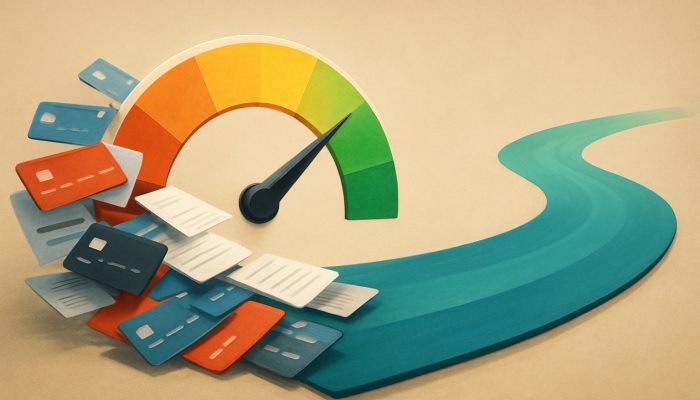
Applying for a merged plan triggers hard inquiries on your credit file. These inquiries can cause a temporary dip in your credit score, which may be visible to lenders during the initial approval stage. Although such declines are common, it is important to note that they are usually short-lived.
The extent of the impact on your credit score can vary based on several factors, including your overall credit profile and the number of recent inquiries. Being aware of this can help you manage your expectations throughout the application process. Focus on the long-term benefits of implementing a merged plan rather than the immediate fluctuations in your score.
What Are the Implications of Closing Old Accounts?
As you undertake the debt merging process, you may find it necessary to close old credit accounts. This action can reduce your available credit lines, potentially negatively impacting your credit score calculations. Credit scoring agencies in the United Kingdom consider total available credit when assessing risk, so a decrease could lead to a lower score.
Closing accounts can also simplify your financial management. Fewer accounts reduce complexity, making it easier to track payments. It is essential to strike a careful balance; while you may see a short-term decline in your score, the long-term benefits of a merged plan can outweigh these initial challenges.
How Will Your Credit Utilisation Ratio Change?

Consolidating credit accounts can significantly affect your credit utilisation ratios, which are critical for determining your credit score. When balances are merged, your overall credit utilisation may improve, potentially leading to changes in your score. This effect is especially noticeable during the transition period when new balances are reported to credit agencies.
Credit utilisation plays a vital role in credit scoring models; a lower ratio typically indicates better financial health. After merging, it is advisable to closely monitor your credit report to understand how these changes influence your score. Adjusting your spending habits after the merger can further enhance your credit profile.
Understanding the Implications of Merged Plans on Your Payment History
How to Maintain Consistency in Your Payments
Making regular repayments under a merged plan is crucial for establishing a positive payment history over time. This information is documented by UK credit reference agencies and demonstrates responsible financial behaviour. A strong payment history can significantly enhance your credit score, making you a more attractive option for future lenders.
Establishing a consistent payment pattern is imperative. Timely repayments signal to lenders that you are a reliable borrower, which can lead to improved credit offers in the future. As your payment history strengthens, it becomes a valuable asset within your overall credit profile.
What Are the Risks Associated with Missing Payments?
While a merged plan simplifies repayments, the threat of missed payments is significant. Any missed payments are reported promptly and can remain on your credit record for several years. This negative information can severely restrict your future borrowing options within the United Kingdom.
To mitigate this risk, staying organised and ensuring timely payments is essential. Setting up direct debits or reminders can help maintain consistency. Recognising the consequences of missed payments can motivate you to adhere strictly to your repayment schedule.
How to Cultivate a Positive Credit History
Consistently making on-time payments through a merged plan enhances your overall credit profile. UK scoring models reward reliability, and a solid payment history can unlock better credit opportunities. This aspect of credit scoring highlights the importance of maintaining a consistent repayment schedule.
Building a positive history requires time; however, the rewards are substantial. As your payment history improves, lenders may be more willing to extend credit on favourable terms. This ongoing effort to enhance your credit profile is crucial for your long-term financial health.
What Adjustments Can Occur to Your Credit Score?
Frequent updates regarding merged plan payments enable UK credit scoring systems to adjust scores dynamically based on recent behaviour. As you make consistent payments, your credit score can improve, reflecting your growing financial responsibility.
Monitoring these adjustments is essential. Credit scores are not static; they fluctuate based on your financial actions. Staying informed about how your payments affect your score empowers you to make well-informed decisions moving forward.
Expert Insights into the Impact of Merged Plans on Your Credit Score
What Factors Influence Credit Score Calculations?
Numerous elements influence credit score calculations, particularly in relation to merged plans. For example, individuals with high levels of existing debt may experience different outcomes compared to those with lower debt levels after merging. Real-world examples from the UK illustrate this variability.
Those burdened with substantial debt may notice a more significant initial decline in their scores due to hard inquiries and account closures. Conversely, individuals with manageable debt might experience a smoother transition. Understanding these dynamics can help you navigate the implications of a merged plan more effectively.
How Do Lenders Report Credit Behaviour?
Once you initiate a merged plan, reviewing reports from credit agencies such as Experian becomes essential. Monitoring your credit report allows you to identify any discrepancies or errors that may arise. These reports provide insights into how lenders perceive your creditworthiness following the merger.
Regularly checking your credit report also helps you comprehend how your merged plan impacts your score. Taking proactive measures, such as disputing inaccuracies, can enhance your credit profile. Being vigilant about monitoring your credit is crucial for long-term financial success.
What is the Timeline for Credit Score Recovery?
The timeline for credit score recovery after completing a merged plan varies for each individual. Generally, those who maintain consistent payments can expect improvements within a few months. The specific recovery duration may depend on individual circumstances, including previous credit behaviour.
Expert analysis suggests that while some may recover quickly, others may take longer due to factors such as missed payments or high debt levels. Understanding these timelines can help you set realistic expectations for your financial recovery journey.
How Do Merged Plans Affect Mortgage Applications?
Participating in a merged financial arrangement can influence your chances of obtaining home loans. Lenders in the United Kingdom may perceive merged plans as a risk factor, especially if your credit score has declined during the process. Strategies are available to mitigate these negative effects on your likelihood of approval.
Enhancing your credit score through consistent repayments and monitoring your credit report can make you more appealing to lenders. Presenting a clear financial plan to prospective lenders can demonstrate your commitment to responsible borrowing, potentially alleviating concerns regarding your merged plan.
Identifying the Long-Term Effects of Merged Plans
How Are Credit Limits Adjusted Following a Merger?
Merged plans often lead to reduced limits on remaining accounts. UK credit models incorporate these adjustments into future affordability assessments. A lowered credit limit can influence your ability to secure new credit, as lenders may view this as an increased risk.
Proficient management of a merged plan can enhance your creditworthiness over time. As you demonstrate responsible financial behaviour, lenders may gradually increase your credit limits, positively impacting your overall credit profile. This long-term perspective is essential for achieving financial stability.
What Restrictions Might You Face When Seeking New Credit?
Borrowers may encounter limitations on new loans during the duration of a merged plan. This restriction is often reflected in UK credit decisions, as lenders may hesitate to extend credit to individuals currently engaged in a merged arrangement. Understanding these constraints is vital for managing your financial future.
During this period, it is wise to concentrate on rebuilding your credit. By making consistent payments and avoiding new debt, you can enhance your credit profile. This proactive approach can position you favourably for future borrowing opportunities once the merged plan concludes.
How Can You Enhance Your Overall Credit Profile?
Successfully completing a merged plan can improve your credibility with lenders in the United Kingdom over extended periods. As you demonstrate a commitment to repaying your debts, your overall credit profile strengthens, making you a more attractive candidate for future credit products.
This long-term enhancement of your profile is critical for achieving your financial goals. A robust credit history, nurtured through responsible financial behaviour, can lead to more competitive interest rates and loan terms. The effort invested in managing a merged plan will pay off as you work towards a healthier financial future.
Research-Supported Benefits of Merged Plans on Credit Scores
How Do Merged Plans Minimise Credit Inquiries?
After merging debts, borrowers typically experience a reduction in applications for new credit. This decrease in inquiries aids in stabilising scores, as indicated by data patterns observed in the United Kingdom. A lower frequency of inquiries signals to lenders that you are managing your credit responsibly.
This stability can lead to gradual improvements in credit scores over time. As your credit profile becomes more consistent, lenders may view you as a lower risk. Understanding the correlation between inquiry frequency and credit scores can assist you in making more informed borrowing decisions.
What Indicators Reflect Successful Debt Reduction?
Research indicates that merged plans can expedite debt repayment, resulting in improved metrics monitored by credit agencies in the United Kingdom. As debts are consolidated, borrowers frequently find it easier to manage payments, which decreases the likelihood of missed payments and defaults.
This positive trend not only enhances credit scores but also fosters healthier financial habits. By prioritising debt reduction through a merged plan, individuals can pave the way for a more sustainable financial future. The advantages extend beyond immediate score improvements, encouraging long-term financial stability.
What Improvements in Financial Conduct Can You Anticipate?
- Stronger budgeting abilities
- Enhanced financial awareness
- Greater consistency in payment practices
- Increased confidence in managing finances
- Capability to identify and evade future debt challenges
- Improved relationships with lenders
- Deeper understanding of credit scores
These positive behavioural changes often emerge following plan approval in the United Kingdom. As individuals adapt to their new financial circumstances, they cultivate skills that contribute to healthier financial habits.
How Can Credit Utilisation Ratios Be Impacted?
What Are the Techniques for Calculating Ratios?
Lower balances resulting from merged plans directly improve utilisation figures used in UK scoring systems. Credit utilisation is calculated by dividing your total outstanding credit by your total available credit. A lower ratio signifies better financial management and can positively influence your credit score.
Maintaining a healthy utilisation ratio is vital for long-term credit health. After merging debts, it is advisable to monitor your spending to ensure that your ratio remains within a favourable range. This proactive strategy can help you avoid potential pitfalls and maintain a strong credit profile.
What Impacts Do Balance Transfers Have?
Transferring debts through a merged plan alters your credit ratios, which agencies closely monitor for UK consumers. As balances shift, your overall credit utilisation may change, thereby affecting your score. Understanding these dynamics is essential for effectively managing your credit.
Keeping a close watch on how balance transfers influence your credit profile can provide valuable insights. Tracking your utilisation ratio helps you make informed decisions regarding future borrowing and spending behaviours. This awareness promotes better financial management over the long term.
How Can You Aim for Optimal Ratios?
Maintaining credit utilisation ratios below specific thresholds supports better scores in UK evaluations. It is generally recommended to keep your ratio below <a href=”https://www.debtconsolidationloans.co.uk/using-a-new-loan-to-cut-utilisation-effective-strategies/”>30%</a> to enhance your creditworthiness. A lower ratio indicates that you are not overly reliant on credit, which lenders view favourably.
Setting this target can guide your financial behaviours post-merger. By being mindful of your spending and repayment practices, you can ensure that your credit utilisation remains advantageous. This discipline is essential for achieving enduring credit health.
What Are the Optimal Recovery Strategies After Merging?
What Are Effective Monitoring Techniques?
Regular checks with UK credit agencies facilitate early detection of any score fluctuations following your plan. Monitoring your credit report keeps you informed about how your merged plan affects your score. This proactive approach enables you to address any issues promptly.
Utilising credit monitoring tools can also enhance your understanding of your financial health. Many services provide alerts for significant changes, allowing you to stay updated on your credit status. Vigilance in credit monitoring can streamline your recovery process.
How Can You Responsibly Build New Credit?
- Secured credit cards
- Small personal loans
- Store credit cards
- Credit-builder loans
- Co-signed loans
- Products from credit unions
- Peer-to-peer lending options
These alternatives can offer essential benefits for rebuilding credit profiles in the United Kingdom. By managing new credit responsibly, individuals can demonstrate their commitment to improving their creditworthiness.
Why Is Seeking Professional Guidance Crucial?
Consulting with authorised advisers can facilitate effective recovery tailored to UK regulations. These professionals provide personalised strategies for managing your credit following a merger. Their expertise helps you navigate complex financial landscapes and make informed decisions.
Engaging with financial advisers empowers you to take control of your financial future. By understanding the intricacies of credit management, you can develop a sustainable plan for rebuilding your credit and achieving long-term financial objectives.
What Are the Best Practices for Ongoing Credit Monitoring?
How to Conduct Regular Report Evaluations?
Annual checks using statutory reports assist in tracking changes resulting from merged plans in the United Kingdom. These evaluations provide insights into how your credit profile evolves and enable you to identify areas needing improvement. Staying informed about your credit status is key to effective management.
Utilising statutory reports ensures access to accurate information. This transparency helps you spot discrepancies or errors that could negatively affect your score. Regularly reviewing your credit report is a fundamental step in preserving a healthy credit profile.
How to Utilise Score Improvement Tools?
Using approved simulators can offer insights into ongoing impacts within UK frameworks. These tools allow you to explore various financial scenarios, helping you understand how different actions influence your credit score. This understanding can guide your decision-making process.
Engaging with score improvement tools can also clarify the credit scoring process. By gaining a deeper understanding of how your actions affect your score, you can make more informed financial choices. This proactive approach is crucial for achieving long-term financial health.
What Are the Advantages of Setting Up Alert Systems?
Activating notifications ensures you are promptly informed of any updates from credit agencies in the United Kingdom. These alerts can notify you of significant changes to your credit report, helping you stay on top of your financial status. Being proactive in this regard can prevent future issues.
Establishing alerts encourages you to engage consistently with your credit profile. This ongoing diligence fosters a greater understanding of your financial health and empowers you to take action when necessary. Maintaining a proactive mindset is essential for sustaining a robust credit score.
Why Is Long-Term Credit Monitoring Essential?
By reviewing credit reports from previous years, consumers in the United Kingdom can observe how their financial choices impact their overall credit standing. This longitudinal perspective enables a deeper understanding of credit behaviour and its long-term consequences.
Monitoring your credit history over time can unveil patterns and trends. Recognising these trends can inform your future financial decisions and help you avoid potential pitfalls. This comprehensive approach to credit management is vital for achieving lasting financial stability.
Frequently Asked Questions
What is a merged plan?
A merged plan consolidates several debts into a single repayment structure, simplifying your financial obligations and potentially reducing monthly payments.
How does a merged plan impact my credit score?
Initially, a merged plan may lead to a temporary decline in your credit score due to hard inquiries and account closures; however, consistent payments can improve it over time.
Can I apply for credit while enrolled in a merged plan?
Yes, but you may face restrictions on new loans during the plan’s duration, as lenders might perceive you as a higher risk.
How long does it typically take to see improvements in my credit score?
Improvements can often be observed within a few months of making consistent payments, although the exact timeline varies based on individual circumstances.
Will closing old accounts adversely affect my credit score?
Yes, closing old accounts can reduce your available credit, which may harm your credit score.
What actions should I take if I miss a payment on my merged plan?
Missed payments can negatively impact your credit score, so it is crucial to catch up as soon as possible and communicate with your lender.
Is it feasible to rebuild my credit after completing a merged plan?
Certainly. Responsibly managing new credit and monitoring your credit report can assist you in recovering and enhancing your score.
What advantages are there to monitoring my credit report?
Monitoring your credit report allows you to identify errors, track changes, and stay informed about your credit status, which is crucial for effective management.
How can I improve my credit utilisation ratio?
You can enhance your ratio by paying down existing debts and refraining from new credit applications while participating in a merged plan.
Should I seek professional advice regarding my credit situation?
Yes, consulting with authorised financial advisers can provide tailored strategies for managing your credit and enhancing your financial health.
Visit our Facebook profile for more insights!
This Article Was First Found On: https://www.debtconsolidationloans.co.uk
The Article Merged Plan Impact on Your Credit Score: Key Insights found first on https://electroquench.com