Master the Art of Preparing Seafood for an Exceptional Grilling Experience
How to Choose the Freshest Seafood for a Memorable Grilling Adventure
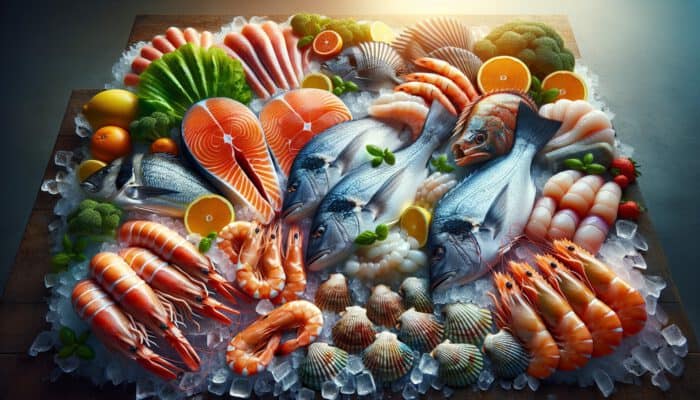
Selecting the right seafood is a pivotal step for achieving a successful grilling experience that not only avoids dryness but also maximises flavour. Seek out seafood varieties that exhibit firmness, moisture, and a vibrant appearance, as these traits signal freshness. Look for products with a glossy sheen and a fresh, oceanic aroma, both of which are indicators of high quality. Fresh seafood maintains its natural juices during cooking, which is crucial for preventing overcooking and ensuring a succulent texture. For instance, fish such as salmon and snapper, along with shellfish like shrimp and scallops, should feel firm to the touch. This firmness denotes a recent catch, providing the best grilling results and guaranteeing your meal is both delectable and satisfying.
Effective Marinating Strategies to Amplify Seafood Flavour
A well-crafted marinade is vital for infusing both flavour and moisture into seafood, creating a protective barrier that ensures tenderness during the grilling process. The ideal marinade blends oils, acids, and fresh herbs that impart flavour while preventing excessive heat penetration. Essential ingredients to consider when concocting your marinade include:
- Olive oil
- Lemon juice or vinegar
- Garlic
- Fresh herbs such as dill, parsley, or cilantro
- Spices like paprika or cumin
- Salt and pepper
- Honey or sugar for a hint of sweetness
- Chilli flakes for an added spicy kick
These components work in harmony to elevate the seafood's natural flavours while establishing a protective shield against the grill's intense heat, ensuring that it remains juicy and tender throughout the cooking process.
Why Is Preheating Your Grill Essential for Perfectly Cooked Seafood?
Preheating your grill is a critical step that is often overlooked yet indispensable for successful grilling. A properly preheated grill can swiftly sear the exterior of seafood, locking in moisture and flavour while averting dryness. It is advisable to maintain medium heat, typically ranging from 180°C to 200°C (350°F to 400°F). This temperature range allows for gentle cooking, ensuring the seafood is thoroughly cooked while preserving its natural moisture. A practical tip is to hold your hand about 15 cm above the grill grates; if you can only maintain that position for 4-5 seconds before the heat becomes unbearable, then your grill is primed for the seafood.
What Key Tools Are Essential for Successful Seafood Grilling?

Essential Accessories for Achieving Perfectly Cooked Seafood
Utilising the appropriate grill accessories is vital for ensuring even cooking and preventing seafood from adhering to the grill. Key tools include fish spatulas, grill baskets, and skewers, all of which play a crucial role in preserving moisture during grilling. Fish spatulas are specifically designed to gently flip seafood without breaking it apart, while grill baskets provide a stable surface that promotes even heat distribution. These tools enable you to turn the seafood without compromising its texture, leading to optimal grilling results. Additionally, a pair of tongs is invaluable for safely manoeuvring larger pieces of seafood, ensuring they do not fall through the grates or become overcooked.
How to Choose the Right Fuel for Your Grill for Optimal Results?
The type of fuel utilised significantly impacts the grilling outcome, especially concerning moisture retention and flavour enhancement. Both charcoal and gas grills possess unique advantages, but effectively managing their heat is key. Charcoal provides steady, intense heat, perfect for achieving that desirable char while retaining moisture in seafood. Conversely, gas grills offer precise temperature control, assisting in the avoidance of hotspots that could dry out your seafood. Regardless of your chosen fuel type, it is paramount to monitor the temperature closely and make necessary adjustments to guarantee perfectly grilled seafood every time.
Cleaning and Maintenance Strategies for a Long-Lasting Grill

Regular maintenance of a clean grill is essential for ensuring optimal grilling results and preserving moisture in your seafood. Residue buildup from past grilling sessions can lead to sticking and uneven cooking, both of which can dry out your seafood. Consistently scrape the grill grates with a wire brush before and after cooking to prevent this accumulation. Furthermore, lightly oiling the grates before grilling creates a non-stick surface that enhances cooking efficiency. It is also critical to check for leftover ash or debris within the grill, as these can affect airflow and temperature consistency. By maintaining your grill in a clean and well-kept condition, you ensure that every grilling session produces moist, flavourful seafood that pleases the palate.
What Expert Insights Can Elevate Your Seafood Grilling Journey?
Advanced Techniques for Moisture Retention in Grilled Seafood
Professional chefs employ various methods to ensure seafood remains juicy and flavourful during grilling. One highly effective technique involves wrapping the seafood in parchment paper or aluminium foil. This technique creates a steaming effect that locks in moisture, allowing the seafood to cook evenly without drying out. For instance, wrapping fish fillets in fresh herbs and lemon slices not only preserves moisture but also infuses aromatic flavours. Additionally, basting the seafood with its marinade or a mix of olive oil and herbs during grilling helps retain moisture. This technique is particularly effective for larger cuts of fish or shellfish, enhancing both taste and texture while minimising the risk of overcooking.
What Are the Optimal Cooking Times for Various Types of Seafood?
Understanding the ideal cooking times is essential when grilling seafood to avoid dryness and ensure a delightful dining experience. The thickness of the seafood plays a significant role in determining the grilling duration. Generally, seafood should cook for approximately 8-10 minutes per inch of thickness over medium heat. For instance, a 2.5 cm-thick salmon fillet typically requires around 10-15 minutes to cook thoroughly. It is also critical to keep an eye on the grill temperature; if it is too hot, the exterior may char while the interior remains undercooked. An instant-read thermometer is invaluable; seafood is perfectly cooked when it reaches an internal temperature of 63°C (145°F). By combining these timing strategies with careful temperature management, you will consistently achieve tender, juicy seafood.
Effective Strategies for Enhancing Flavour in Grilled Seafood
To elevate the flavour of grilled seafood while retaining moisture, consider using complementary flavour pairings that enhance the overall dish. For example, marinating shrimp in a blend of garlic, lemon, and fresh herbs not only amplifies their natural sweetness but also aids in moisture retention during grilling. Similarly, fish varieties like swordfish or tuna pair exceptionally well with ingredients like soy sauce, ginger, and sesame oil, creating a balanced umami flavour profile. Incorporating fruits like pineapple or mango can introduce refreshing sweetness and moisture into your seafood dishes. These combinations not only elevate the flavour profile but also ensure that the seafood remains juicy throughout grilling. Experimenting with diverse marinade combinations opens up a world of opportunities to discover your ideal flavour pairings.
What Pre-Grilling Preparation Techniques Should You Implement?
Preparing seafood prior to grilling is crucial for maximising moisture retention and enhancing flavour. One effective technique is brining, which involves soaking the seafood in a saltwater solution for approximately 30 minutes before grilling. This method aids seafood in absorbing water, ensuring it remains moist during cooking. Alternatively, applying dry rubs composed of spices and herbs to the surface allows for flavour infusion without the loss of moisture. For example, using a blend of brown sugar, paprika, and salt creates a sweet and savoury crust that locks in juices as the seafood cooks. These pre-grilling preparations not only enhance flavour but also protect the seafood from drying out during grilling, ensuring a delightful dish each time.
How to Effectively Monitor and Adjust Heat for Perfectly Grilled Seafood?
Professionals recognise that monitoring grill temperature and adjusting heat levels are pivotal for keeping seafood moist and delicious. An effective method involves using an instant-read thermometer to check the seafood's internal temperature. This tool allows for precise monitoring, ensuring the seafood is cooked to perfection without overheating. Additionally, employing techniques such as indirect grilling can be advantageous; placing seafood away from direct flames allows for gentler cooking, significantly reducing the risk of drying out. If the seafood begins to cook too quickly, move it to a cooler section of the grill. Maintaining this level of control throughout the grilling process will yield seafood that is both tender and flavourful, showcasing your culinary expertise.
How to Select the Right Seafood for Grilling Success?
Identifying Seafood Varieties That Excel Under High Heat
Not all seafood is equally suitable for grilling; certain varieties perform better under high heat than others. Firm options such as salmon, swordfish, and shrimp excel because they withstand high heat effectively while retaining moisture due to their natural fat content. These types of seafood not only grill beautifully but also develop an appealing char that enhances their flavour. Delicate types like flounder or tilapia can prove more challenging, often requiring special handling to prevent them from falling apart on the grill. By selecting the appropriate seafood for grilling, you can ensure a successful, moist, and delicious outcome that leaves a lasting impression on your guests.
What Freshness Indicators Should You Look For in Seafood?
Recognising fresh seafood is vital to preventing dryness during cooking and ensuring a high-quality dish. Quality seafood typically exhibits clear eyes, firm flesh, and a fresh, oceanic scent. When inspecting fish, the skin should appear shiny and vibrant, free of dullness or discolouration. For shellfish, ensure the shells are tightly closed, indicating freshness. Another useful guideline is to check the flesh; it should spring back when pressed lightly. By choosing seafood that meets these freshness criteria, you can minimise the risk of dryness and guarantee a juicy, flavourful grilling experience that delights the senses.
Portion Size Considerations for Successful Grilling
The size of seafood portions can significantly influence grilling success and moisture retention. Smaller cuts tend to cook faster and retain juices better than larger pieces, which are more prone to drying out. For optimal results, consider the following size guidelines to ensure even cooking:
- Fish fillets: 2.5 cm to 5 cm thick
- Shrimp: large, preferably 15-20 per kilogram
- Scallops: approximately 2.5 cm in diameter
- Whole fish: 1 kg or less for even cooking
- Steaks (like tuna or swordfish): 2.5 cm to 4 cm thick
- Shells: mussels and clams should be medium-sized for easy handling
These guidelines help ensure that each piece cooks evenly, maximising moisture retention and flavour in the final dish, leading to an unforgettable dining experience.
Mastering Grilling Techniques to Preserve Moisture in Seafood
Utilising Indirect Heat Techniques for Tender and Juicy Seafood
Employing indirect heat methods is a transformative technique for keeping seafood tender and juicy during grilling. This approach entails creating a cooking environment where the heat source is not directly beneath the seafood, allowing for even cooking without the risk of burning. For example, setting up a two-zone fire on a charcoal grill or using the indirect grilling option on a gas grill ensures seafood cooks slowly, developing flavour while maintaining moisture. This method is particularly effective for larger cuts of fish, which benefit from gentle heat that prevents the outer layers from charring too quickly while allowing the interior to cook through perfectly, resulting in an exquisite meal.
Basting and Glazing Techniques to Enhance Seafood Flavour
Basting is an effective technique for adding layers of moisture and flavour while grilling seafood. By periodically brushing the seafood with a prepared glaze or marinade, you can amplify its taste and ensure it remains juicy. A simple combination of olive oil, lemon juice, and herbs creates a fantastic baste that pairs well with a wide variety of seafood. The basting process not only provides moisture but also helps create a beautifully caramelised exterior. For instance, while grilling salmon fillets, basting them with a mixture of honey and soy sauce adds delightful sweetness while keeping the fish moist. This technique transforms the grilling experience into a flavourful journey while ensuring that the seafood remains succulent and captivating.
Allowing Grilled Seafood to Rest for Optimal Texture and Flavour
Resting seafood after grilling is a critical step that significantly influences the final texture and flavour. Allowing grilled seafood to rest for a few minutes redistributes juices that may have concentrated during cooking. This simple technique ensures that every bite is moist and rich, enhancing the overall dining experience. For example, after grilling a thick-cut mahi-mahi, letting it rest for about five minutes allows the internal juices to settle, resulting in a tender piece of seafood ready to impress. Serving immediately after grilling can lead to a drier texture, so allowing the seafood to rest improves both taste and moisture retention.
What Research-Backed Benefits Come with Grilling Seafood?
Understanding the Nutritional Benefits of Grilled Seafood
Grilling seafood not only delivers delicious outcomes but also preserves its nutritional value. This cooking method enhances nutrient retention, particularly omega-3 fatty acids, which are essential for heart health and overall well-being. By grilling instead of frying, you minimise the loss of these beneficial oils while avoiding excess fats. The high heat of grilling helps seal in the natural oils found in seafood, resulting in a meal that is both healthy and flavourful. Incorporating grilled seafood into your diet can offer a wide range of nutrients while ensuring that every dish remains moist, satisfying, and beneficial for your health.
What Are the Healthier Cooking Outcomes of Grilling Seafood?
The advantages of grilling seafood extend to healthier cooking outcomes. Research indicates that grilling minimises fat loss compared to alternative cooking methods, thereby preserving the seafood's moisture and flavour. This not only leads to tender results but also enhances the overall eating experience. For instance, grilling shrimp allows their natural sweetness to shine without the need for excess oils or sauces. By employing grilling techniques that prioritise moisture retention, you can create satisfying meals that are both delicious and nutritious, appealing to health-conscious diners worldwide.
Long-Term Flavour Development in Grilled Seafood
Repeated grilling of seafood can enhance its flavour profile over time, a phenomenon that seasoned chefs often rely on for consistent results. As you grill seafood, the development of char and caramelisation adds depth and complexity to its taste. This is particularly true for marinated or seasoned seafood, which benefits from the accumulation of flavours with each grilling session. For example, a well-marinated salmon can develop a rich umami profile after multiple grilling experiences. To ensure that these flavour developments remain appealing, consider the following tips:
- Experiment with different marinades
- Try varying cooking times and heat levels
- Incorporate seasonal ingredients for freshness
- Pair with complementary side dishes to elevate the overall meal
By focusing on long-term flavour development, you can create seafood dishes that are consistently enjoyable and memorable, leaving a lasting impression on your guests.
What Common Mistakes Should You Avoid When Grilling Seafood?
Why Is Overcrowding the Grill a Frequent Mistake?
Overcrowding the grill is a common mistake that can lead to uneven cooking and dryness in seafood. When pieces are placed too closely together, they restrict airflow and heat circulation, causing certain portions to cook faster than others. This not only affects the final texture but can also cause some seafood to dry out while waiting for others to finish cooking. To ensure even grilling and retain moisture, it is essential to leave ample space between pieces. This allows heat to circulate freely around the seafood, promoting consistent cooking and beautiful grill marks on each piece, thereby enhancing the overall presentation of your dish.
Why Ignoring Temperature Checks Can Compromise Your Grilling Experience?
Neglecting to monitor the grill's temperature can lead to disastrous results when grilling seafood. Temperature fluctuations can quickly dry out seafood, making it chewy and unappetising. Regular checks are vital for maintaining ideal conditions for juicy results. Using an instant-read thermometer helps you accurately track the internal temperature of the seafood. For example, fish should be cooked to an internal temperature of 63°C (145°F) to ensure safety while keeping it moist. Regular temperature checks enable timely adjustments, ensuring your seafood turns out perfectly every time, making your grilling experience both enjoyable and successful.
How Rushing the Grilling Process Affects Your Seafood Quality?
When it comes to grilling seafood, patience is a virtue that pays off significantly. Rushing the grilling process often leads to moisture loss, resulting in tough and dry seafood. Allowing the seafood to cook at an appropriate rate ensures even heat distribution, resulting in tender seafood. The high heat of the grill can mislead you into believing that faster cooking is better, but permitting seafood to cook slowly is crucial for achieving that delicate texture. Remember that seafood will continue to cook slightly even after being removed from the grill, so taking your time and enjoying the process will yield the best culinary results.
What Are the Consequences of Flipping Seafood Too Frequently?
Frequent flipping of seafood while grilling can disrupt the cooking process and cause it to dry out. Constantly turning the seafood over prevents it from developing a proper crust and can lead to uneven cooking. Instead of flipping too often, allow the seafood to sit undisturbed on one side for several minutes until it releases from the grates. This technique promotes even cooking and helps retain moisture, resulting in perfectly grilled seafood that delights the palate. By exercising patience and letting the seafood sit, you will achieve that stunning char and mouthwatering flavours that make your dish truly exceptional.
How to Ensure Safety and Quality in Grilling Seafood?
What Proper Storage Techniques Should You Employ Before Grilling?
Storing seafood correctly before grilling is essential for preserving moisture and ensuring food safety. Always chill seafood properly and keep it on ice or in the refrigerator until just before cooking. This practice helps prevent bacterial growth, which can compromise meal quality. When ready to grill, remove the seafood and let it sit at room temperature for 15-20 minutes before cooking. This slight warming can help it cook more evenly, resulting in a juicier final product that is both safe and delightful.
How to Handle Grilled Seafood for Maximum Quality?
Once seafood is grilled, how you handle it afterward is just as important for maintaining quality. Gently transferring grilled seafood to a serving platter is essential to avoid damaging its delicate structure. Using a fish spatula designed for lifting seafood can help keep it intact. Allowing the grilled seafood to rest for a few minutes before serving helps retain moisture, as the internal juices redistribute throughout the piece. This attention to detail ensures that your meal not only looks appealing but is also juicy and flavoursome, leaving your guests thoroughly satisfied.
Implementing Quality Control Measures During Grilling
Regular checks during the grilling process are vital for maintaining quality and moisture levels. Focus on the texture and appearance of the seafood as it cooks. Look for changes in colour and firmness; for instance, fish will transition from translucent to opaque as it cooks. While using a timer can help track cooking times, visual cues should always be your primary guide. As soon as the seafood reaches the desired doneness, remove it from the grill to prevent overcooking. By prioritising quality control, you ensure the seafood remains moist and flavourful, ready to be savoured by all.
Frequently Asked Questions About Grilling Seafood
What is the best way to prevent seafood from drying out when grilling?
To prevent seafood from drying out, select fresh, high-quality ingredients, marinate them before grilling, and cook over indirect heat, basting frequently to retain moisture.
How long should seafood be grilled for optimal results?
Seafood should generally be grilled for about 8-10 minutes per inch of thickness, ensuring it reaches an internal temperature of 63°C (145°F) for best results and flavour retention.
Is it necessary to marinate seafood before grilling?
While not mandatory, marinating seafood before grilling enhances its flavour and moisture, resulting in a tender, juicy dish.
Can I grill frozen seafood?
Grilling frozen seafood is possible, but it is best to thaw it first for even cooking. If grilling from frozen, adjust cooking times accordingly to ensure it cooks through.
What types of seafood are best for grilling?
Firm seafood varieties like salmon, swordfish, and shrimp are ideal for grilling, as they hold up well under high heat and retain moisture, resulting in a delicious final dish.
How can I tell when seafood is done grilling?
Seafood is done grilling when it is opaque and flakes easily with a fork, or when its internal temperature reaches 63°C (145°F) for safe consumption.
Should I flip seafood often while grilling?
No, it's best to let seafood cook undisturbed for a few minutes before flipping it once. Frequent flipping can disrupt cooking and cause dryness, compromising the final texture and flavour.
What can I use to baste seafood while grilling?
You can use a mixture of olive oil, lemon juice, and herbs to baste seafood while grilling, enhancing moisture and flavour for a truly satisfying meal.
How long should I let grilled seafood rest before serving?
Allow grilled seafood to rest for about 5 minutes before serving. This helps redistribute juices and improves overall texture and flavour, ensuring a delightful dining experience.
What are some common mistakes to avoid when grilling seafood?
Common mistakes include overcrowding the grill, failing to monitor temperature, rushing the cooking process, and flipping seafood too frequently, all of which can lead to dryness and disappointing results.
Connect with us on Facebook for more grilling tips!
The post How to Grill Seafood Without Drying It Out: Expert Tips appeared first on https://cookinggods.com
The Article Grill Seafood Without Drying It Out: Expert Tips and Tricks Was Found On https://limitsofstrategy.com