In-Depth Insights on Hazardous Waste Regulations for Safe House Clearance
What Defines Hazardous Waste and its Implications?
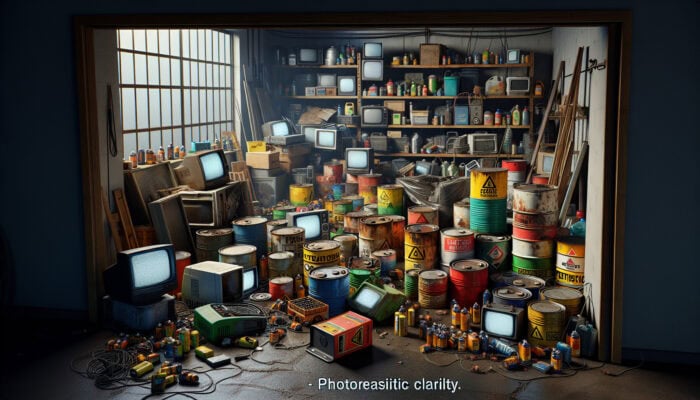
Hazardous waste encompasses materials that pose a significant threat to both public health and the environment when not managed correctly. This category includes dangerous substances such as chemicals, batteries, and asbestos. It is vital to correctly classify and manage hazardous waste, as negligence in this area can lead to severe health risks and environmental degradation. Common hazardous wastes found in households typically involve:
- paints and solvents
- Batteries
- Pesticides and herbicides
- Cleaning products
- Asbestos and materials that contain asbestos
- Fluorescent light bulbs
- Electronic waste, including outdated computers and televisions
- Used motor oil
Identifying these materials during a house clearance is crucial for compliance with regulations and for the protection of both human health and the environment.
What is the Legal Framework Governing Hazardous Waste Management?
The legal structure in the UK is specifically designed to manage and regulate hazardous waste from its creation to its ultimate disposal. Central to this framework is the Hazardous Waste Regulations 2005, which outlines the required procedures for handling, transporting, and disposing of hazardous waste. This legislation aligns with the European Waste Framework Directive, ensuring the UK adheres to international standards in waste management practices. Compliance with these regulations is not optional; failure to comply can result in significant financial penalties and legal repercussions.
In addition to the Hazardous Waste Regulations, other key legislations, such as the Environmental Protection Act 1990 and the Waste (England and Wales) Regulations 2011, delineate the duties of both waste producers and disposers. These laws provide comprehensive guidelines for the classification, labeling, and safe handling of hazardous materials, ensuring that both businesses and homeowners operate within a secure and regulated environment.
What Are the Crucial Responsibilities of Homeowners in Hazardous Waste Management?
Homeowners play a critical role in identifying and managing hazardous waste during house clearance. It is essential to grasp that disposing of these materials in regular waste bins is illegal and can result in serious consequences, including prosecution. Homeowners must be well-informed about what constitutes hazardous waste and follow the correct disposal procedures.
A primary responsibility is the accurate identification of hazardous materials. Homeowners should thoroughly inspect their properties, particularly in neglected areas such as garages, basements, and sheds, where hazardous waste can accumulate unnoticed. Once identified, it is essential to separate these materials from regular refuse and consult local authorities or licensed disposal services for the appropriate disposal methods. Failing to uphold this responsibility not only endangers public health but also jeopardises environmental safety, as hazardous waste can leach into soil and water sources, leading to long-lasting damage.
How Can You Accurately Classify Various Types of Hazardous Wastes?
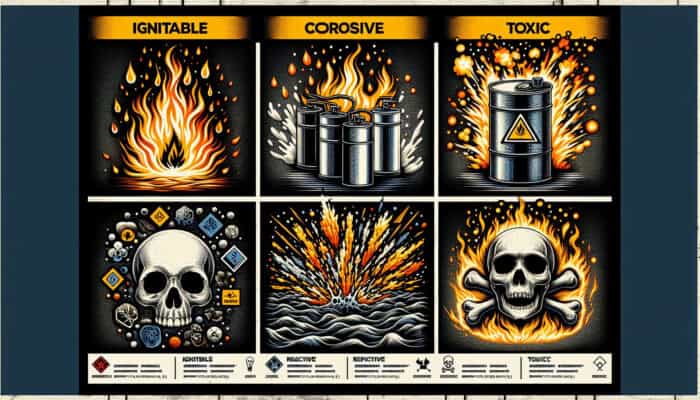
Hazardous wastes are categorised based on their specific characteristics, which include ignitability, corrosivity, reactivity, and toxicity. Understanding these classifications is vital for safe handling and disposal. For instance, ignitable wastes, which may include certain solvents and oils, are highly flammable. In contrast, corrosive wastes can inflict damage to materials they contact, posing significant risks to health and property.
Proper classification is crucial for determining appropriate disposal methods. For example, toxic wastes that can adversely affect human health through inhalation or ingestion require specific handling compared to non-toxic materials. The Environment Agency provides guidance on hazardous waste classification, ensuring that individuals managing or disposing of these materials are well-informed about safe practices. Homeowners should refer to these guidelines for accurate classification of any hazardous waste they encounter, maintaining compliance and prioritising safety.
What Are the Most Effective Strategies for Disposing of Hazardous Waste?
Disposing of hazardous waste requires careful consideration of the methods employed, as each disposal technique must conform to stringent regulations to prevent environmental contamination and ensure safety. Common disposal methods include incineration, landfilling, and recycling.
Incineration is often used for organic hazardous waste; it reduces the overall volume of waste and can convert harmful substances into less hazardous gases, provided the process is properly managed. Conversely, landfilling is typically reserved for non-recyclable hazardous waste and is subject to strict regulations that prevent leachate and gas emissions that could harm the environment.
Recycling offers a more sustainable solution for specific hazardous materials, such as batteries and electronic waste, which can be processed to reclaim valuable materials. Each of these disposal methods must be carried out by licensed professionals who comply with UK regulations, ensuring that hazardous waste is managed safely and responsibly.
Essential Information on Hazardous Waste Regulations for House Clearance
How Do Professionals Enhance House Clearance Processes?
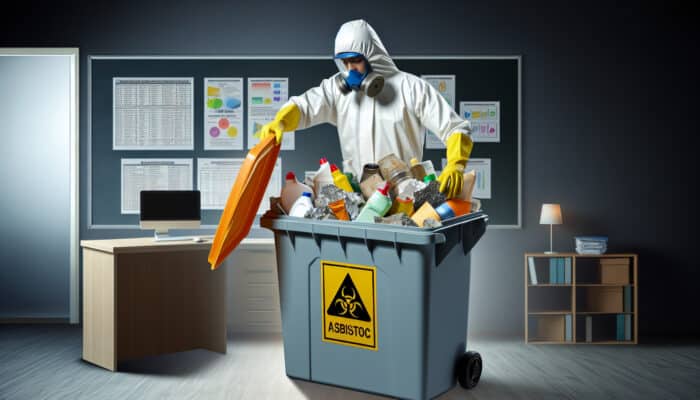
Hiring specialists in hazardous waste management can significantly streamline the house clearance process. Professionals bring invaluable expertise and experience, allowing homeowners to navigate the complexities of identifying and disposing of hazardous waste. For example, these specialists can identify materials that may not be immediately recognised as hazardous, such as certain household cleaners or construction materials containing asbestos.
Experts also guarantee that the correct disposal methods are applied. They have access to licensed waste carriers and possess an in-depth understanding of the regulatory requirements for the safe transportation and disposal of hazardous waste. By employing these professionals, homeowners can avoid the risks linked with improper disposal, thereby protecting both their health and the environment. Numerous real-world examples show how expert involvement has facilitated successful clearances, enabling homeowners to manage hazardous materials effectively while ensuring compliance with local regulations.
Additionally, professionals can provide education on best practices for hazardous waste management, empowering homeowners with the knowledge to make informed decisions regarding future waste disposal. This not only enhances safety during house clearance but also encourages a more environmentally responsible approach to waste management.
What Are the Recommended Best Practices for Secure Disposal of Hazardous Waste?
Adopting best practices for hazardous waste disposal is crucial for ensuring safety and compliance with regulations. Key practices include segregating hazardous waste from general refuse, using licensed waste carriers for transportation, and keeping detailed records of all disposal activities. Segregation is particularly critical; by maintaining a clear separation of hazardous materials, homeowners can avert accidental exposure and guarantee that waste is managed appropriately.
Utilising licensed waste carriers is another fundamental aspect of best practices. Licensed professionals are trained in the safe handling and disposal of hazardous materials, ensuring compliance with UK regulations. Homeowners should verify the credentials of any service they consider to avoid potential legal complications.
Maintaining thorough records of disposal is equally important. Documentation acts as proof of compliance with regulatory requirements and can protect homeowners in the event of legal inquiries regarding their waste management practices. This approach not only demonstrates responsibility but also fosters accountability in hazardous waste disposal.
What Attributes Should You Look for in a Hazardous Waste Removal Service?
When choosing a hazardous waste removal service, homeowners should prioritise licensing, experience, and a strong track record. Licensing is essential; it guarantees that the service operates within the legal framework governing hazardous waste management in the UK. Homeowners can verify a company’s licensing status through the Environment Agency‘s public register.
Experience is another critical factor. A well-established service will have a proven history of managing various types of hazardous waste and navigating the complexities of local regulations. It is advisable to seek testimonials or case studies to evaluate a company's effectiveness and reliability.
Furthermore, homeowners should inquire about the disposal methods employed by the service. Understanding how the company manages waste can provide reassurance regarding safety and environmental compliance. Lastly, obtaining a comprehensive quotation and ensuring the service maintains meticulous documentation of all waste disposal activities will further safeguard against potential liabilities.
How Do Regulations Affect House Clearance Costs?
Hazardous waste regulations can significantly influence the expenses associated with house clearance. The need for specialised services, adherence to strict disposal methods, and the possibility of fines due to non-compliance all contribute to increased costs. Engaging licensed professionals often incurs higher fees than standard waste removal services; however, this cost reflects the enhanced safety and legal compliance that accompanies expert assistance.
Moreover, the complexity of the waste itself can elevate costs. For instance, if a property contains a substantial volume of hazardous materials, the clearance process may require more time and resources, further increasing expenses. Nevertheless, effective planning and professional consultation can help homeowners manage these costs. Experts can provide insights into cost-effective solutions, such as identifying recyclable materials that may lower disposal fees.
Ultimately, while the initial expenses related to adhering to hazardous waste regulations may seem daunting, they serve to protect homeowners from potentially far larger financial liabilities connected to improper disposal practices.
What Common Mistakes Should Be Avoided in Hazardous Waste Management?
Common errors in hazardous waste management can lead to serious repercussions, including legal issues and environmental damage. One of the most prevalent mistakes is the improper segregation and disposal of hazardous materials. Homeowners often inadvertently mix hazardous waste with regular refuse, creating significant risks to health and the environment.
Another frequent oversight is non-compliance with regulations. Many homeowners underestimate the importance of adhering to legal requirements, failing to engage licensed disposal services or maintain necessary documentation. Such oversights can result in hefty fines and legal challenges.
Additionally, many individuals overlook signs of hazardous waste contamination, such as unusual odours or material discolouration. Ignoring these indicators can exacerbate health risks. Seeking expert guidance on proper hazardous waste management can help mitigate these mistakes, ensuring safety and regulatory compliance during house clearance.
How Can You Identify Hazardous Waste in Your Home?
What Are Common Household Hazardous Materials?
Common household hazardous materials are substances that can pose risks to health and the environment when not managed properly. These items are often found in garages, basements, and other storage areas, where individuals may overlook the presence of hazardous waste.
Examples of such materials include:
- Paints and paint thinners
- Garden chemicals like pesticides and herbicides
- Household cleaners
- Old electronics and batteries
- Used motor oil
- Products containing asbestos
- Fluorescent light bulbs
- Solvents and adhesives
Being vigilant about these items is vital, as they can accumulate over time. Accurately identifying these materials is the first step towards ensuring their safe and legal disposal.
What Are the Recommended Practices for Safely Handling Hazardous Waste?
Safe handling of hazardous waste is crucial to protect both human health and the environment. Essential practices include wearing appropriate protective gear, such as gloves, masks, and goggles, to reduce exposure to harmful substances. It is equally important to avoid mixing different types of hazardous waste, as this can lead to unforeseen chemical reactions or heightened toxicity.
Moreover, always adhere to specific disposal instructions provided on product labels or by local waste management authorities. For example, many hazardous materials require particular storage conditions before disposal, such as keeping them in a cool, dry location away from direct sunlight. It is also advisable to retain hazardous materials in their original containers, as these are labelled with crucial information regarding the contents.
If you suspect hazardous waste is present in your home, safe handling practices become even more critical. In such cases, seek professional assistance to mitigate risks and ensure compliant disposal.
What Signs Indicate Hazardous Waste Contamination?
Recognising the signs of hazardous waste contamination is essential for maintaining safety within your home. Common indicators include unusual odours, which may suggest the presence of toxic substances. Additionally, discoloration of materials, such as rust on metals or fading paint, can indicate chemical reactions that may be harmful.
Damage to materials serves as another warning sign; for instance, if containers are leaking or corroded, it is crucial to proceed with caution. If contamination is suspected, contacting a professional service for assessment and remediation becomes essential, as they possess the necessary expertise and equipment to manage potentially hazardous situations safely.
Being aware of these signs and taking immediate action not only helps safeguard your family but also contributes to a safer overall environment. Prompt intervention can prevent further complications and ensure that hazardous waste is managed effectively.
Proven Strategies for Navigating Hazardous Waste Regulations During House Clearance
What Strategies Are Effective for Waste Segregation?
Effective waste segregation strategies are crucial for managing hazardous waste efficiently and safely. One highly effective method involves using separate containers for different types of waste. This practice minimises the risk of cross-contamination and ensures that each waste type is handled according to its specific disposal requirements.
Clearly labelling each container is another essential step. This not only aids everyone in the household in understanding where materials should be placed, but it also helps waste handlers quickly identify materials during collection. Implementing educational initiatives within the household can further enhance responsible waste segregation, fostering a culture of safety and compliance.
By adopting these practices, homeowners not only remain compliant with regulations but also significantly reduce the risk of accidents, ensuring a safer environment for their families and the broader community. Proper segregation ultimately streamlines the disposal process, making it more efficient and cost-effective.
How Can You Ensure Compliance with UK Regulations?
Ensuring compliance with UK hazardous waste regulations necessitates a proactive approach. Homeowners should stay informed about the latest legal requirements and updates regarding hazardous waste management. Engaging with local authorities and the Environment Agency can provide valuable insights into current regulations affecting hazardous waste disposal.
Collaborating with licensed professionals is another essential step. These experts understand compliance standards and can assist homeowners in navigating the complexities of hazardous waste management. It is also important to maintain thorough records of all waste disposal activities, including the types of waste disposed of, the methods used, and the service providers involved.
Regular audits of waste management practices can help identify areas for improvement and ensure ongoing compliance. By adopting these strategies, homeowners can demonstrate their commitment to responsible hazardous waste management while protecting public health and the environment.
What Are the Risks Associated with Non-Compliance?
The repercussions of non-compliance with hazardous waste regulations can be severe. Homeowners may face substantial fines and legal action, particularly if hazardous materials are disposed of improperly, leading to environmental contamination. Such actions not only damage the ecosystem but also pose risks to public health, potentially resulting in serious legal consequences for those responsible.
Moreover, non-compliance can tarnish reputations and erode trust within the community. Homeowners who neglect proper waste management practices may encounter difficulties selling their properties or obtaining insurance. The long-term effects can extend beyond immediate legal and financial penalties, impacting residents’ quality of life and the integrity of the environment in the surrounding area.
Recognising the importance of compliance is crucial for safeguarding both individual and community well-being. Adopting responsible hazardous waste management practices not only ensures legal adherence but also cultivates a healthier environment for everyone.
Where to Dispose and Recycle Hazardous Waste in the UK?
What Are Your Options for Disposing of Hazardous Waste in the UK?
Disposing of hazardous waste in the UK encompasses several options, each with specific guidelines and acceptance criteria. Local waste disposal sites often accept hazardous materials, provided they are pre-approved and separated from general waste. Homeowners should consult their local council for specific disposal sites that manage hazardous waste.
Additionally, hazardous waste collection events, organised by local authorities or environmental agencies, offer a secure means for residents to dispose of such materials. These events typically provide free disposal services for common hazardous items, making them an accessible option for homeowners.
Specialised disposal services are also available for those with larger quantities of hazardous waste or specific types of materials, such as asbestos or electronic waste. Engaging licensed professionals ensures that waste is disposed of in compliance with regulations, reducing the risk of environmental harm.
Regardless of the chosen disposal method, homeowners must adhere to all guidelines and keep records of disposal activities to demonstrate compliance with regulations.
What Recycling Options Are Available for Hazardous Materials?
Recycling options for hazardous materials are vital for minimising environmental impact while promoting sustainable practices. Facilities that process specific hazardous materials, such as batteries, electronics, and certain chemicals, are licensed to handle these materials safely. Homeowners should seek out these specialised recycling facilities to ensure that hazardous waste is managed responsibly.
For instance, battery recycling programmes allow residents to return used batteries to designated collection points, where they are processed to recover valuable materials while preventing harmful substances from entering the environment. Electronic waste recycling services are also widely available, ensuring that materials such as metals and plastics are reclaimed and reused.
Homeowners should also look for community recycling events focused on hazardous materials, which often offer opportunities for responsible disposal while educating the public about hazardous waste management. By utilising these recycling options, homeowners not only comply with regulations but also contribute to a more sustainable future.
What Strategies Can You Implement to Reduce Hazardous Waste in Your Home?
Reducing hazardous waste within your home is an effective strategy for minimising environmental impact and ensuring safety. One of the simplest approaches is to select eco-friendly products whenever feasible. By opting for non-toxic cleaners, biodegradable pesticides, and sustainable materials, homeowners can significantly diminish the volume of hazardous waste produced.
Proper storage and disposal of chemicals are also paramount. Ensuring that hazardous materials are securely stored, out of reach of children and pets, can prevent accidental exposure. When disposing of such materials, always adhere to local guidelines and engage with licensed disposal services to ensure responsible management.
Additionally, recycling whenever possible can further reduce hazardous waste. Many local councils offer recycling schemes for batteries and electronic devices, promoting responsible disposal practices. By implementing these strategies, homeowners can significantly minimise hazardous waste in their households while fostering a safer and more sustainable living environment.
What Are the Legal Obligations Concerning Hazardous Waste Disposal?
Legal obligations for hazardous waste disposal in the UK are stringent and designed to ensure safe and compliant waste management. Homeowners must obtain permits for disposing of certain types of hazardous waste, as specified by the Environment Agency. Each type of hazardous waste must be accurately classified and managed according to the regulations governing its disposal.
Moreover, homeowners are required to maintain comprehensive records of all hazardous waste disposal activities, including the nature of the waste, the methods used, and the services engaged. This documentation is crucial for demonstrating compliance and can shield homeowners from potential legal inquiries.
Failure to adhere to these legal requirements can result in significant penalties, including fines and legal action. Partnering with licensed professionals who understand the regulatory landscape assists in ensuring that homeowners comply with all relevant laws, minimising risks and protecting the environment.
How Can Businesses Efficiently Manage Hazardous Waste?
Businesses play a critical role in the effective management of hazardous waste, as improper practices can lead to severe legal and environmental repercussions. Implementing waste reduction strategies is essential; this involves evaluating operations to identify potential sources of hazardous waste and developing plans to minimise their generation.
Utilising licensed waste carriers is another essential practice. These professionals are trained in the safe handling and disposal of hazardous materials, ensuring compliance with UK regulations. Businesses should conduct regular training sessions for employees, educating them about the significance of hazardous waste management and the specific procedures they must follow.
Maintaining detailed records of all hazardous waste disposal activities is critical for compliance. Documentation should include waste types, disposal methods, and the service providers involved. Regular audits can help identify areas for improvement, ensuring that businesses adhere to legal requirements while promoting sustainable practices.
Integrating these strategies into business operations not only aids in the effective management of hazardous waste but also enhances the organisation’s reputation as a responsible entity committed to environmental stewardship.
Case Studies Demonstrating Effective Hazardous Waste Management
What Valuable Lessons Can Be Gleaned from Successful Hazardous Waste Clearance Initiatives?
Successful hazardous waste clearance cases illustrate the importance of careful planning, professional assistance, and strict adherence to regulations. For instance, a case study involving a residential property undergoing renovations uncovered significant amounts of hazardous materials, including asbestos and outdated paints. By hiring a licensed hazardous waste management service, homeowners were able to safely identify, segregate, and dispose of these materials, ensuring compliance with all local regulations.
Another notable example featured a community initiative where residents collaborated with local authorities to organise a hazardous waste collection event. This not only facilitated the safe disposal of numerous hazardous items but also educated the community about best practices in waste management. Such successful clearances highlight the effectiveness of involving professionals and the positive impact of community participation in hazardous waste management.
These instances demonstrate that thorough planning, informed decision-making, and adherence to regulations are essential for successful hazardous waste clearance. The lessons learned can guide future practices, ensuring safer and more effective management of hazardous materials.
How Have UK Regulations Shaped House Clearance Practices?
UK regulations have significantly impacted house clearance practices, leading to stricter controls and refined procedures for handling hazardous waste. The implementation of the Hazardous Waste Regulations 2005 has raised awareness among homeowners and service providers about the necessity of compliant waste management. This shift has fostered a culture of accountability, ensuring that hazardous materials are treated with the respect and caution they require.
Consequently, many clearance services have adjusted their practices to align with these regulations, enhancing their training and operational protocols to maintain compliance. For example, the requirement for accurate waste classification means that clearance teams are now better equipped to identify hazardous materials, employing trained professionals who understand the legal implications of mishandling such waste.
Furthermore, the increased emphasis on environmental sustainability has encouraged more effective recycling programmes and disposal methods, benefiting both the community and the environment. Overall, UK regulations have transformed house clearance practices, promoting safer and more responsible approaches to hazardous waste management.
What Are the Common Challenges in Managing Hazardous Waste?
Common challenges in hazardous waste management include identifying all hazardous materials, locating appropriate disposal methods, and ensuring compliance with evolving regulations. Homeowners may struggle to recognise certain items as hazardous, particularly those that are less obvious, such as older cleaning products or materials containing asbestos.
Another significant challenge is finding suitable disposal options that comply with regulatory standards. Many homeowners mistakenly assume that all waste can be discarded in local rubbish bins, which can lead to legal complications. Understanding the intricacies of hazardous waste disposal requires ongoing education and awareness of local regulations.
Moreover, the constantly changing landscape of environmental regulations can pose difficulties for both homeowners and businesses. Staying informed and adapting practices to meet new requirements is crucial for effective hazardous waste management. Engaging with experts who are knowledgeable about current regulations can help alleviate these challenges, ensuring the safe and compliant disposal of hazardous materials.
How Is Technology Advancing Hazardous Waste Management?
Technology offers innovative solutions to enhance hazardous waste management, making it more efficient and safer. For example, specialised software can assist in tracking hazardous materials, ensuring accurate record-keeping and compliance with regulations. These systems enable homeowners and businesses to monitor their waste management practices in real time, identifying areas for improvement.
Moreover, advancements in waste processing technology have improved disposal methods. For instance, new incineration technologies can reduce emissions and increase the efficiency of hazardous waste treatment, minimising environmental impact. Additionally, smart recycling facilities are emerging that utilise automated systems to sort and process hazardous materials safely.
Real-time monitoring systems can also provide insights into waste generation patterns, facilitating more informed decision-making regarding waste reduction strategies. By leveraging technology, homeowners and businesses can enhance their hazardous waste management practices, ensuring compliance while contributing to a more sustainable future.
What Are Commonly Asked Questions About Hazardous Waste Management?
What Types of Waste Are Classified as Hazardous?
Hazardous waste encompasses materials such as paints, solvents, batteries, pesticides, and certain electronic products that pose risks to human health and the environment.
How Can I Identify Hazardous Waste in My Home?
Look for common hazardous materials in areas like the garage or shed, including chemicals, old batteries, and electronic waste. Proper inspection and awareness are key.
Is It Permissible to Dispose of Hazardous Waste in Regular Bins?
No, hazardous waste must not be discarded in regular bins. It requires specific disposal methods that comply with UK regulations to prevent environmental damage.
What Should I Do If I Discover Hazardous Waste in My Home?
If you find hazardous waste, avoid directly handling it. Contact a licensed hazardous waste removal service for safe identification and disposal.
Are There Costs Associated with Hazardous Waste Disposal?
Yes, there can be costs related to hazardous waste disposal, especially if you utilise licensed services or require specialised disposal methods.
How Can I Locate a Licensed Hazardous Waste Disposal Service?
You can find licensed disposal services by consulting the Environment Agency‘s public register or by requesting recommendations from local authorities.
What Are the Consequences of Improperly Disposing of Hazardous Waste?
Improper disposal can lead to severe fines, legal action, and environmental harm, adversely affecting both health and safety in the surrounding community.
What Strategies Can I Implement to Reduce Hazardous Waste in My Household?
You can minimise hazardous waste by opting for eco-friendly products, securely storing chemicals, and recycling materials whenever feasible.
What Role Does the Environment Agency Play in Hazardous Waste Management?
The Environment Agency regulates hazardous waste management in the UK, ensuring compliance with legal requirements and promoting safe disposal practices.
Can Businesses Generate Hazardous Waste?
Yes, businesses can generate hazardous waste, and they must comply with specific regulations regarding its management and disposal to ensure safety and legal adherence.
Connect with us on Facebook!
The Article: Hazardous Waste Regulations for House Clearance: UK Guide Was First Found At https://birminghamhouseclearance.com
The Article Hazardous Waste Regulations: UK House Clearance Guide Was Found On https://limitsofstrategy.com