Exploring the Crucial Role of Acupuncture in Sports Medicine Across the UK
What Is Acupuncture and Why Is It Vital for Athletes?
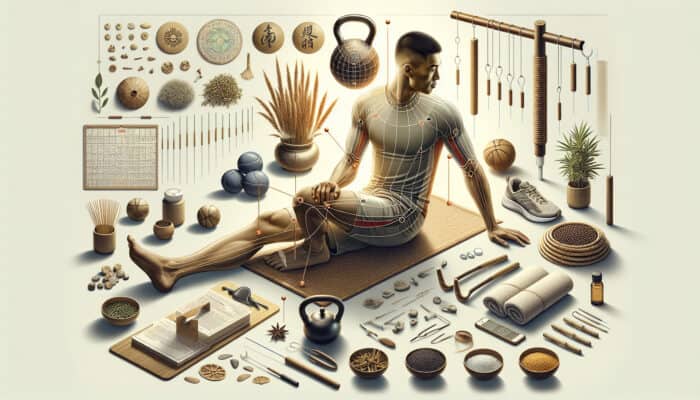
Acupuncture for sports injury recovery is a revered practice rooted in traditional Chinese medicine, gaining significant recognition within the domain of sports medicine in the UK. This therapeutic approach entails the precise insertion of ultra-fine needles into designated points on the body, aiming to activate the body’s natural healing capabilities while effectively alleviating pain and discomfort. As athletes increasingly seek dependable recovery strategies, acupuncture has emerged as a highly esteemed complementary therapy, offering a distinctive and efficient method for managing sports injuries. The strategic placement of needles stimulates the body’s inherent healing processes, enhancing blood circulation and fostering overall wellness.
The integration of acupuncture into sports medicine signifies a pivotal shift in the perception of alternative treatment modalities, demonstrating substantial benefits for athletes. Practitioners throughout the UK have observed that acupuncture effectively addresses a broad spectrum of sports-related ailments, rendering it an appealing choice for individuals aiming to shorten recovery times and sustain peak performance levels.
Chronology of Acupuncture’s Integration in UK Sports Therapy
The application of acupuncture in the context of sports injury recovery in the UK can be traced back to the latter part of the 20th century. Initially regarded with scepticism, the efficacy of acupuncture began to gain momentum as elite athletes and professional sports teams gradually incorporated it into their rehabilitation protocols. The rising popularity of acupuncture can largely be attributed to numerous athletes’ testimonials, highlighting remarkable improvements in their recovery experiences through this ancient practice.
In particular sports such as rugby and football, acupuncture has been embraced as an integral component of their recovery strategies. Esteemed clubs and organisations have enlisted skilled acupuncture practitioners to assist players in managing a range of injuries, from acute sprains to chronic pain conditions. The narrative surrounding acupuncture has shifted from being perceived as a niche alternative therapy to being acknowledged as a vital element of holistic sports medicine, reflecting a broader acceptance of integrative approaches in athlete care.
Examining the Regulatory Standards for Acupuncture Practices in the UK
In the UK, acupuncture practices are overseen by various authoritative organisations that ensure practitioners uphold high standards of training and care. The British Acupuncture Council (BAcC) is one of the leading bodies regulating acupuncture practices, providing a comprehensive framework for professional conduct and ethical standards. Membership in the BAcC indicates that practitioners have undergone extensive training and are dedicated to continuous professional development.
Another crucial regulatory entity is the Acupuncture Association of Chartered Physiotherapists (AACP), which emphasises the integration of acupuncture within physiotherapy practices. Such organisations play an instrumental role in establishing trust and credibility within the field, ensuring that athletes seeking acupuncture for sports injury recovery receive safe and effective treatment. The presence of these regulatory bodies enhances the overall integrity of acupuncture practices, fostering an environment where athletes can confidently pursue this therapeutic option.
Insights from Professionals on the Benefits of Acupuncture for Sports Injury Recovery

What Makes Acupuncture an Effective Solution for Sports Injuries?
Acupuncture showcases its efficacy for sports injuries by predominantly activating the body’s intrinsic pain-relief mechanisms while enhancing blood circulation to the affected areas. The insertion of needles stimulates the release of endogenous opioids, the body’s natural analgesics, substantially alleviating discomfort related to injuries. Furthermore, acupuncture promotes improved blood flow, ensuring the delivery of essential nutrients and oxygen to tissues, which ultimately expedites the healing process.
Some significant advantages of acupuncture in the context of sports injury recovery include:
- Marked reduction in pain and inflammation
- Enhanced circulation to bolster healing efforts
- Improved flexibility and range of motion
- Minimised muscle soreness and stiffness
- Support for emotional well-being and stress relief
- Decreased reliance on pain medications
- Potential prevention of recurrent injuries
- Overall enhancement in athletic performance
These benefits are particularly pronounced in the treatment of muscle strains, joint injuries, and chronic pain conditions commonly experienced by athletes. Acupuncturists tailor their approach to meet individual requirements, ensuring that each session effectively addresses specific injuries and promotes overall wellness.
How Can Athletes Effectively Incorporate Acupuncture into Their Training Regimens?
Athletes aiming to integrate acupuncture into their training routines should consider scheduling regular sessions as a pivotal component of their recovery strategy. This may entail consulting with an acupuncturist every two weeks or more frequently during intense training phases or following an injury. The key factor is to customise the frequency and duration of sessions to align with each athlete’s unique needs and training demands.
To effectively incorporate acupuncture, athletes can follow several actionable steps:
- Seek guidance from a healthcare provider or sports physiotherapist for personalised recommendations.
- Choose a qualified acupuncturist specialising in treating sports injuries.
- Discuss specific injuries and recovery objectives during initial consultations.
- Schedule treatment sessions strategically around training periods and competition dates to optimise recovery.
- Maintain open communication with the acupuncturist regarding symptom development and any changes in condition.
- Combine acupuncture with other recovery methods, such as physiotherapy or massage therapy, to achieve superior results.
- Continuously evaluate the impact of acupuncture on performance and recovery to adjust treatment plans as necessary.
By viewing acupuncture as a proactive element of their training rather than merely a reactive treatment, athletes can significantly enhance their recovery strategies and maintain optimal performance levels.
Real-Life Success Stories: UK Athletes Who Have Reaped the Benefits of Acupuncture

Numerous athletes throughout the UK have openly endorsed the efficacy of acupuncture, crediting it with playing a significant role in their recovery from sports injuries and highlighting its effectiveness and growing acceptance within the professional sports community. For example, well-known footballer Michael Owen has shared his experiences, pointing out how acupuncture facilitated his recovery from various injuries throughout his career, enabling him to return to the field more swiftly and with reduced pain.
In rugby, players from teams like the England national squad have begun incorporating acupuncture into their recovery protocols, with many reporting considerable improvements in mobility and pain management. Olympic athletes across diverse disciplines such as athletics and swimming also rely on acupuncture as a vital recovery tool, utilising it to alleviate discomfort stemming from their rigorous training and competition schedules.
These real-world examples demonstrate the tangible benefits of acupuncture in sports injury recovery, showcasing its potential to expedite rehabilitation and enhance overall athletic performance. The success stories of these athletes not only inspire others to explore acupuncture but also contribute to the wider acceptance of this ancient practice within contemporary sports medicine.
Recognising Common Sports Injuries Addressed Through Acupuncture in the UK
What Types of Sports Injuries Are Most Effectively Treated with Acupuncture?
Acupuncture has demonstrated effectiveness in managing a variety of sports injuries that athletes frequently encounter in the UK. Commonly treated conditions include muscle strains, sprains, tendinitis, and joint pain, all of which can severely impede an athlete’s performance. The effectiveness of acupuncture extends beyond acute injuries; it also plays a crucial role in managing chronic pain conditions that arise from repetitive sports activities.
Athletes often suffer muscle strains due to sudden movements or overexertion, leading to inflammation and significant pain. Acupuncture offers a non-invasive approach to address these issues, promoting healing while minimising the need for medication. Additionally, sprains, frequently resulting from twisting or trauma, benefit from acupuncture’s ability to reduce swelling and expedite recovery.
Tendinitis, particularly common among runners and cyclists, is another condition that responds favourably to acupuncture treatment. By promoting blood flow and diminishing inflammation, acupuncture effectively alleviates the symptoms associated with this chronic condition. Lastly, joint pain, particularly in the knees and shoulders, is often addressed with acupuncture, aiding in restoring mobility and relieving discomfort, making it a beneficial therapy for athletes engaged in high-impact sports.
How Does Acupuncture Facilitate Muscle Recovery for Athletes?
Acupuncture plays a vital role in facilitating muscle recovery by enhancing blood circulation and reducing inflammation in affected areas. When needles are inserted into specific acupoints, they stimulate the body to release endorphins and other vital healing substances essential for effective recovery. This response is especially significant for athletes who place considerable physical demands on their muscles during training and competition.
The augmented blood flow facilitated by acupuncture aids in delivering essential nutrients and oxygen to muscle tissue, critical for effective tissue repair. Furthermore, the treatment alleviates muscle soreness and stiffness often accompanying intense workouts. This aspect is particularly advantageous for athletes striving to maintain performance levels while recovering from rigorous activities.
Moreover, acupuncture can relieve muscle tension and tightness, fostering relaxation and overall well-being. By addressing both the physical and psychological aspects of muscle recovery, acupuncture stands out as a comprehensive treatment option for athletes aiming to optimise their recovery strategies.
Utilising Acupuncture for Joint Injuries in UK Sports
Joint injuries, especially in high-impact sports like football and rugby, are prevalent among athletes in the UK. Acupuncture is increasingly recognised as a treatment modality for these conditions. This technique effectively addresses injuries in joints such as the knees and shoulders, which are particularly vulnerable to strain and overuse.
Acupuncture’s capacity to alleviate joint pain and inflammation makes it an appealing option for athletes facing both acute injuries and chronic conditions such as osteoarthritis. Targeted stimulation of specific acupoints can enhance mobility and reduce pain severity, enabling athletes to return to their sports more promptly and with diminished discomfort.
For instance, in football, players frequently sustain knee injuries from sudden stops, twists, or contact with other players. Acupuncture can assist in the recovery process by reducing inflammation in surrounding tissues and enhancing overall joint healing. Similarly, rugby players can benefit from acupuncture for shoulder injuries, aiding recovery and restoring full functionality.
As awareness of acupuncture’s advantages continues to grow, its application for treating joint injuries is anticipated to expand, further solidifying its role in sports injury recovery protocols throughout the UK.
Investigating the Mechanisms Underpinning Acupuncture’s Effectiveness for Sports Injury Recovery
What Mechanisms Contribute to Acupuncture’s Effectiveness in Recovery?
The efficacy of acupuncture in promoting sports injury recovery hinges on its ability to activate the body’s natural healing mechanisms. When needles are inserted into specific acupoints, they trigger the release of endorphins and other neurotransmitters critical for pain modulation and the healing process. This response aids athletes in managing pain without resorting to pharmaceutical interventions.
Furthermore, acupuncture enhances blood circulation to surrounding tissues, promoting the flow of oxygen and nutrients necessary for efficient tissue repair. Improved blood circulation also facilitates the removal of metabolic waste products, thereby accelerating recovery. Additionally, acupuncture regulates the nervous system, effectively diminishing pain perception and enhancing overall physical function.
These mechanisms collectively contribute to acupuncture’s capacity to alleviate symptoms associated with sports injuries and improve recovery outcomes. Athletes who incorporate acupuncture into their rehabilitation protocols frequently report significant enhancements in pain management and overall functionality, establishing it as a valuable asset in contemporary sports medicine.
The Importance of Acupoints in Treating Sports Injuries
In acupuncture, specific acupoints are selected based on their proximity to the injury and their overall influence on the body’s energy flow. Each acupoint corresponds to various physiological functions and is meticulously chosen to address particular conditions. For instance, when treating knee pain, acupoints located on the legs and lower back may be targeted to alleviate discomfort and promote recovery.
The selection of acupoints is not arbitrary; it is grounded in traditional Chinese medicine principles and an understanding of the body’s meridian system, which maps the flow of energy throughout the body. By stimulating these points, practitioners aim to restore balance and alleviate pain associated with sports injuries.
Moreover, the effectiveness of acupuncture can vary depending on the specific type of injury and the athlete’s overall health. A skilled acupuncturist will conduct a thorough assessment before treatment to ensure the chosen acupoints align with the athlete’s unique needs and recovery objectives.
Integrating Acupuncture with Other Therapeutic Approaches for Enhanced Recovery
Acupuncture is frequently employed in conjunction with other therapeutic modalities to amplify recovery from sports injuries in the UK. When combined with physiotherapy, massage, and other rehabilitation techniques, acupuncture can provide a more comprehensive treatment approach. This integrative strategy enables holistic care that addresses both physical and emotional aspects of recovery.
For example, an athlete undergoing physiotherapy for a knee injury may also benefit from acupuncture to alleviate pain and inflammation, thereby improving physiotherapy outcomes. This combined approach can facilitate faster recovery, reduce symptom severity, and enhance overall performance.
Moreover, acupuncture can be effectively paired with massage therapy, as these two modalities complement each other’s benefits. While acupuncture targets specific acupoints to stimulate healing, massage therapy aids in relieving muscle tension and improving circulation. Together, these therapies create a synergistic effect that maximises the recovery potential for athletes.
The collaborative use of acupuncture alongside other therapeutic interventions is becoming increasingly prevalent in sports medicine, providing athletes with a robust toolkit for managing injuries and optimising recovery.
Research-Driven Insights on Acupuncture’s Role in Sports Injury Recovery
What Does Current Research Reveal About Acupuncture and Sports Injuries?
A plethora of studies conducted in the UK has explored the relationship between acupuncture and sports injuries, yielding compelling evidence regarding its effectiveness. Research consistently indicates that acupuncture can significantly relieve pain and enhance recovery times for various sports injuries, positioning it as a safe and effective complementary therapy.
One notable finding is that athletes receiving acupuncture treatments often report lower pain levels compared to those undergoing conventional treatments alone. This reduction in pain can facilitate improved mobility and increased participation in rehabilitation exercises, which are critical for optimal recovery. Furthermore, studies demonstrate that acupuncture can accelerate the healing process by enhancing blood circulation and reducing inflammation—both essential elements in recovery.
The growing body of research supporting acupuncture’s benefits for sports injuries has contributed to its acceptance among medical professionals and sports practitioners in the UK. As more athletes seek alternative therapies, demand for evidence-based acupuncture practices continues to rise, reinforcing its role in modern sports medicine.
Clinical Trials Assessing Acupuncture’s Effectiveness in UK Sports Medicine
Numerous clinical trials conducted in the UK have provided valuable insights into acupuncture’s efficacy for treating sports injuries. These trials often focus on specific injuries and evaluate outcomes regarding pain relief, functional recovery, and overall well-being.
For example, research has shown that acupuncture can lead to significant improvements in knee pain among athletes, with many participants reporting decreased discomfort and enhanced mobility within just a few sessions. Such positive results have been documented in studies involving both amateur and professional athletes, highlighting acupuncture’s versatility in addressing a broad range of injuries.
Expert analyses of trial outcomes indicate that acupuncture not only serves as a valuable adjunct to conventional treatments, such as physiotherapy, but also offers unique benefits that distinguish it. The targeted nature of acupuncture enables personalised treatment plans tailored to each athlete’s specific needs, thereby enhancing its effectiveness in sports injury recovery.
As the field of sports medicine continues to embrace innovative treatment modalities, the results of these clinical trials reinforce acupuncture’s position as a legitimate and beneficial therapy for athletes recovering from injuries.
Long-Term Advantages of Acupuncture for Athletic Performance Enhancement
Acupuncture offers not only immediate relief from sports injuries but also contributes to long-term health and performance for athletes. By promoting overall wellness, acupuncture helps prevent recurrent injuries and supports the maintenance of optimal physical condition. Athletes who consistently incorporate acupuncture into their recovery routines often report improved recovery times alongside enhanced performance levels over time.
The preventive aspect of acupuncture is particularly noteworthy, as regular treatments can help identify and address minor issues before they escalate into more serious injuries. By maintaining balance within the body, acupuncture enhances flexibility, strength, and resilience—crucial components for athletes striving for peak performance.
Furthermore, acupuncture’s ability to reduce stress and anxiety can yield significant psychological benefits for athletes. Mental well-being is paramount; thus, integrating acupuncture into an athlete’s routine can bolster motivation. The holistic nature of acupuncture aligns with the growing trend toward comprehensive care in sports medicine, where physical, emotional, and mental health are prioritised.
Ultimately, the long-term benefits of acupuncture extend beyond immediate recovery, fostering a sustainable approach to athlete health that emphasises prevention and overall well-being.
Comparative Analysis: Acupuncture Versus Conventional Therapies for Sports Injury Recovery
Research in the UK has increasingly focused on contrasting acupuncture with conventional treatments, such as physiotherapy and pharmaceutical interventions, for sports injury recovery. These comparisons often underscore acupuncture’s distinct advantages, particularly in pain management and functional recovery.
One notable benefit of acupuncture is its ability to provide effective pain relief without the side effects commonly associated with medication. Athletes seeking to avoid the risks of dependency on painkillers frequently find acupuncture to be a compelling alternative. Moreover, while physiotherapy is essential for rehabilitating injuries, acupuncture’s targeted approach can enhance overall physiotherapy effectiveness by directly addressing pain and inflammation.
Studies suggest that athletes who integrate acupuncture alongside traditional therapies experience quicker recovery times and improved overall outcomes. While physiotherapy focuses on restoring strength and function, acupuncture complements this by alleviating pain and promoting healing, creating a more comprehensive recovery strategy.
As the evidence base continues to grow, acupuncture is increasingly recognised as a valuable adjunct to conventional therapies in the realm of sports injury recovery. This growing acknowledgment reflects a shift towards integrative approaches that combine the strengths of various treatment modalities to optimise recovery and performance.
How to Choose the Right Acupuncturist for Sports Injury Recovery in the UK
What Qualifications Should You Seek in an Acupuncturist?
When searching for an acupuncturist for sports injury recovery, it is imperative to ensure they possess the necessary qualifications and expertise. Look for practitioners who are members of reputable organisations such as the British Acupuncture Council (BAcC) or the Acupuncture Association of Chartered Physiotherapists (AACP). Membership in these organisations signifies a commitment to high standards of practice and rigorous training.
Additionally, consider the practitioner’s experience specifically in treating sports injuries. Acupuncturists with a background in sports medicine or experience working with athletes can provide more tailored treatment approaches. It is advisable to inquire about their ongoing education efforts, as staying informed about the latest research and techniques is crucial in the ever-evolving field of acupuncture.
Ultimately, selecting a qualified acupuncturist involves verifying their credentials, understanding their experience, and ensuring they adhere to best practices for patient care and safety.
How Can You Locate an Acupuncturist Specialising in Sports Injuries?
To identify an acupuncturist specialising in sports injuries, athletes should take a proactive approach in their search. Begin by seeking recommendations from healthcare professionals, such as physiotherapists or fellow athletes who have successfully utilised acupuncture for recovery. This can provide valuable insights into practitioners with a proven track record in managing sports injuries.
When evaluating potential acupuncturists, consider the following criteria:
- Membership in recognised professional bodies like the BAcC or AACP.
- Experience specifically in treating sports-related injuries.
- Positive reviews or testimonials from previous clients.
- Availability and flexibility in scheduling sessions to accommodate training and competition.
- Clear communication skills and a willingness to discuss treatment plans.
- Involvement in ongoing education and professional development.
- Approach to integrating acupuncture with other therapeutic modalities.
By systematically assessing these criteria, athletes can find a qualified acupuncturist who meets their specific recovery needs and is skilled in treating sports injuries.
Understanding the Costs and Accessibility of Acupuncture in the UK
The cost of acupuncture sessions in the UK varies based on factors such as the practitioner’s experience, geographical location, and the specific services offered. On average, a single session may range from £40 to £80, though prices can be higher in metropolitan areas or for highly experienced practitioners. Athletes should consider their budgets when planning for ongoing treatments and explore package deals or discounted rates for multiple sessions.
Accessibility is another crucial factor. Many acupuncturists offer flexible scheduling to accommodate athletes’ demanding routines, making it easier to integrate acupuncture into training and recovery schedules. Some practitioners may even provide home visits for added convenience, particularly for athletes recovering from significant injuries.
Athletes should feel free to discuss costs and availability with potential acupuncturists during initial consultations. Understanding the financial aspects of treatment, alongside accessibility, is vital for ensuring that acupuncture can be a sustainable component of their recovery strategy.
What Unique Advantages Does Acupuncture Provide for Sports Injury Recovery?
How Does Acupuncture Effectively Manage Pain and Inflammation?
Acupuncture effectively alleviates pain and inflammation through a multi-faceted approach that activates the body’s natural pain-relief systems. By inserting needles at specific acupoints, acupuncture triggers the release of endogenous opioids and other neuropeptides that act as natural analgesics, significantly reducing discomfort associated with sports injuries.
Moreover, acupuncture enhances blood flow to injured tissues, which is critical in mitigating inflammation. Enhanced circulation facilitates the delivery of oxygen and nutrients essential for tissue repair while promoting the removal of metabolic waste products that contribute to inflammation. Consequently, athletes often experience quicker recovery times and a noticeable reduction in pain levels.
In addition to the physiological advantages, acupuncture can also exert psychological effects that contribute to pain management. By alleviating stress and anxiety, acupuncture helps athletes attain a more relaxed state, which can further diminish the perception of pain and improve recovery outcomes.
Through its combined physiological and psychological benefits, acupuncture emerges as a powerful tool for managing pain and inflammation in sports injury recovery.
Enhancing Athletic Performance and Preventing Injuries Through Acupuncture
Regular acupuncture sessions can significantly enhance athletic performance and reduce the likelihood of injuries. By maintaining optimal muscle health and flexibility, acupuncture aids athletes in mitigating the risks of injuries arising from overtraining or insufficient recovery.
The preventive aspect of acupuncture deserves particular emphasis; as athletes receive consistent treatment, they can identify and address minor imbalances or issues before they develop into more significant problems. This proactive approach not only helps preserve peak performance but also promotes longevity in an athlete’s career by minimising the risk of chronic injuries.
Additionally, acupuncture enhances overall physical function by improving range of motion and flexibility. This increased mobility not only supports better performance but also enables athletes to execute movements more efficiently, directly enhancing their competitive edge.
In essence, integrating acupuncture into an athlete’s routine can yield sustained performance improvements while simultaneously reducing the likelihood of injuries, establishing it as an invaluable tool in sports medicine.
Exploring the Psychological Benefits of Acupuncture for Athletes
The psychological advantages of acupuncture for athletes are profound and often overlooked. By alleviating stress and anxiety, acupuncture creates a more conducive environment for peak performance. The demands of competition and training can significantly impact an athlete’s mental health, leading to performance anxiety and burnout. Acupuncture helps to alleviate these issues by promoting relaxation and enhancing emotional balance.
Moreover, the calming effects of acupuncture can improve focus and concentration—essential qualities for athletes during competitions. A relaxed athlete is better positioned to perform under pressure, maintaining clarity and composure when it matters most.
Additionally, acupuncture fosters a sense of empowerment among athletes, as they actively engage in their health management and recovery. This sense of control over their well-being can enhance motivation and commitment to training, further improving performance outcomes.
By addressing both the physical and psychological facets of athletic performance, acupuncture offers a holistic approach that supports athletes in achieving their objectives while prioritising their mental health.
Accelerating Healing Processes with Acupuncture
Acupuncture accelerates healing by facilitating tissue repair and regeneration, particularly beneficial for athletes recovering from injuries. Stimulating acupoints enhances blood circulation, promoting the delivery of essential nutrients and oxygen to injured areas. This increased blood flow not only supports recovery but also helps reduce inflammation, creating an optimal healing environment.
Moreover, acupuncture can stimulate the body’s natural healing mechanisms by boosting the production of growth factors and promoting cellular regeneration. This response is crucial for athletes, as quicker healing translates into a faster return to training and competition.
The capacity of acupuncture to expedite healing is especially valuable in high-stress environments where athletes must meet intense physical demands. By incorporating acupuncture into their recovery routines, athletes can optimise healing and minimise downtime, allowing them to maintain peak performance without prolonged interruptions due to injuries.
Improving Sleep Quality to Enhance Recovery
Acupuncture significantly influences sleep quality, a critical factor in an athlete’s recovery. Quality sleep is vital for physical healing, cognitive function, and emotional well-being. However, the stresses of training and competition can often disrupt sleep, leading to inadequate rest and recovery.
By promoting relaxation and alleviating anxiety, acupuncture can help athletes achieve deeper, more restorative sleep. The calming effects of acupuncture stimulate the parasympathetic nervous system, fostering a state of relaxation that is conducive to sleep. Improved sleep quality not only enhances recovery but also supports cognitive function, focus, and mood stability—all essential for optimal athletic performance.
Athletes who prioritise sleep often notice increased energy levels and a greater capacity to withstand the demands of training and competition. By integrating acupuncture into their recovery routines, athletes can enhance sleep quality and, consequently, overall performance and well-being.
Strategic Approaches for Maximising Acupuncture Benefits in Sports Injury Recovery
What Best Practices Should Athletes Implement During Acupuncture Sessions?
To optimise the benefits of acupuncture for sports injury recovery, athletes can implement several best practices during their sessions. Consistent scheduling is paramount; athletes should aim for regular treatments to maintain the therapeutic effects of acupuncture. Effective communication with the acupuncturist is also essential; sharing detailed information about specific injuries and recovery goals allows for a customised approach to treatment.
Athletes should also consider combining acupuncture with other recovery methods, such as physiotherapy or massage therapy, to enhance overall outcomes. Best practices should include:
- Scheduling sessions consistently, ideally aligned with training routines.
- Maintaining open dialogue with the acupuncturist regarding symptoms and progress.
- Being open to adjusting treatment plans based on recovery feedback.
- Incorporating complementary therapies for a holistic recovery approach.
By adhering to these best practices, athletes can develop an effective acupuncture strategy that optimises their recovery process and enhances overall performance.
Preparing for an Acupuncture Session: Key Steps
Proper preparation for an acupuncture session can significantly enhance the effectiveness of treatment. Athletes should take several steps to ensure they are ready for their appointments. Firstly, wearing loose, comfortable clothing that allows easy access to the acupoints being treated is important. Staying well-hydrated before the session is also essential, as proper hydration can amplify the effects of acupuncture.
Athletes should be prepared to discuss any changes in symptoms or injuries since their last session. This open communication allows the acupuncturist to adjust treatment plans accordingly. Preparation tips for an acupuncture session include:
- Wear loose and comfortable clothing to facilitate treatment.
- Stay hydrated before the appointment.
- Arrive a few minutes early to prepare and mentally relax.
- Be ready to discuss symptoms, changes, or concerns with the acupuncturist.
By adequately preparing for acupuncture sessions, athletes can enhance the overall experience and efficacy of the treatment, thereby improving recovery outcomes.
Post-Acupuncture Care: Ensuring Optimal Recovery
Post-acupuncture care is critical for maximising the benefits of treatment and ensuring optimal recovery. Athletes should prioritise rest and hydration following their sessions to support the healing process. It is essential to listen to the body and avoid intense physical activity immediately after treatment, allowing the body to integrate the therapeutic effects of acupuncture.
Additionally, following the acupuncturist’s specific recommendations is vital. These may include stretches, heat application, or other recovery techniques tailored to the athlete’s unique needs. Post-acupuncture care strategies include:
- Rest for a few hours after the session to allow the body to recover.
- Stay well-hydrated to support the healing process.
- Avoid strenuous exercise immediately following treatment.
- Adhere to any specific recovery advice given by the acupuncturist.
Implementing these post-acupuncture care strategies will enhance recovery and ensure that athletes can fully benefit from their acupuncture treatments.
Envisioning the Future: The Progression of Acupuncture in UK Sports Injury Recovery
Identifying Emerging Trends in Acupuncture for Sports Medicine
The future of acupuncture in sports medicine within the UK is characterised by emerging trends and innovations, particularly as technology advances. Techniques such as electroacupuncture and laser acupuncture are gaining traction, offering enhanced treatment options for athletes. These methods utilise electricity or low-level laser therapy to stimulate acupoints, providing an alternative for athletes who may be hesitant about traditional needle insertion.
Moreover, the integration of acupuncture with other modern therapies is expected to increase. As understanding of the mind-body connection deepens, more athletes and practitioners are recognising the holistic benefits of combining acupuncture with psychological therapies, nutrition, and other complementary practices. This trend towards integrative care is likely to lead to more personalised treatment plans tailored to each athlete’s specific needs.
As research continues to validate acupuncture’s efficacy, its application in sports injury recovery is anticipated to expand, solidifying its role as a vital component of contemporary sports medicine.
How Is Acupuncture Being Incorporated into UK Sports Programmes?
The incorporation of acupuncture into UK sports programmes is becoming increasingly widespread as teams and training facilities recognise its value in injury prevention and recovery. Many professional sports teams are now integrating acupuncture practitioners into their support staff, ensuring that athletes have access to this valuable treatment modality as part of their recovery protocols.
Training facilities are also beginning to offer acupuncture as an integral part of their athlete care programmes, acknowledging its benefits for maintaining overall physical and mental health. As more athletes experience positive outcomes from acupuncture, the demand for such services within sports programmes is likely to increase.
Furthermore, educational initiatives for coaches, trainers, and athletes are crucial for raising awareness of acupuncture’s benefits. By understanding its role in recovery and performance enhancement, sports professionals can advocate for acupuncture as an effective and legitimate tool in athlete care.
This trend towards incorporating acupuncture into sports programmes reflects a broader shift towards holistic approaches in sports medicine, emphasising recovery, injury prevention, and overall wellness.
The Importance of Acupuncture in Holistic Athlete Care
Acupuncture is increasingly regarded as a cornerstone of holistic athlete care, addressing not only physical injuries but also the emotional well-being of athletes. This approach aligns with the growing recognition of the interconnectedness between physical health and mental resilience in sports performance.
The holistic nature of acupuncture enables tailored treatment plans that account for each athlete’s unique circumstances. By addressing both physical pain and psychological stress, acupuncture supports overall well-being, enabling athletes to maintain peak performance while also recovering from injuries.
Incorporating acupuncture into broader athlete care strategies, including nutrition, mental health support, and physical rehabilitation, creates a synergistic effect that optimises recovery and performance. As the sports community continues to embrace holistic approaches, acupuncture’s role within athlete care is expected to become increasingly significant.
Establishing Standards for Acupuncturists in UK Sports
As the integration of acupuncture into sports medicine expands, there is an increasing emphasis on standardised training and regulation for acupuncturists working in this field. Ensuring that practitioners meet rigorous training standards is essential to maintaining the safety and efficacy of treatments. The BAcC and AACP are actively involved in establishing training requirements and professional standards for acupuncturists, ensuring that athletes receive high-quality care.
Ongoing professional development is a key focus, as acupuncturists are encouraged to stay informed about the latest research and techniques within sports medicine. This commitment to continuous learning benefits both practitioners and athletes by enhancing treatment outcomes and supporting evidence-based practices in acupuncture.
As the regulatory landscape evolves, more formalised training programmes specifically tailored to sports acupuncture are likely to emerge. This will not only ensure that practitioners are equipped with the necessary skills but also enhance the credibility of acupuncture as a recognised treatment modality within sports injury recovery.
Case Studies: Successful Acupuncture Interventions in UK Sports
Highlighting specific case studies of successful acupuncture interventions in the UK sports arena can illustrate the tangible benefits of this treatment modality for athletes. For instance, a renowned rugby player recovering from a knee injury significantly reduced pain and regained mobility through a customised acupuncture programme, enabling a swift return to competitive play.
Similarly, a professional footballer dealing with chronic tendinitis that hindered performance experienced reduced pain levels and improved function after several acupuncture sessions targeting the affected areas, allowing for a more robust training regimen.
These case studies not only demonstrate the practical application of acupuncture in sports injury recovery but also reinforce its credibility within the athletic community. As more athletes and teams share their success stories, acupuncture’s reputation as a valuable resource for managing sports injuries will continue to grow, further integrating it into the fabric of sports medicine in the UK.
Frequently Asked Questions About Acupuncture and Sports Injury Recovery
What is acupuncture?
Acupuncture is a traditional Chinese medicine technique that involves inserting thin needles into specific points on the body to promote healing and alleviate pain.
How can acupuncture assist with sports injuries?
Acupuncture assists by stimulating the body’s natural pain-relief mechanisms, improving blood circulation, and reducing inflammation, thus facilitating quicker recovery from sports injuries.
What types of injuries can acupuncture effectively treat?
Common sports injuries addressed with acupuncture include muscle strains, sprains, tendinitis, and joint pain, particularly in the knees and shoulders.
How often should athletes schedule acupuncture treatments?
Athletes should consider regular sessions, typically once every two weeks, or more frequently during periods of intense training or post-injury, depending on their specific needs.
Are there any side effects associated with acupuncture?
Acupuncture is generally safe, with minimal side effects. Some individuals may experience mild soreness or bruising at needle insertion sites, but serious complications are rare.
Can acupuncture be combined with other therapeutic methods?
Yes, acupuncture is often utilised alongside physiotherapy, massage, and other rehabilitation techniques to enhance recovery from sports injuries.
How do I find a qualified acupuncturist?
Seek acupuncturists who are members of regulatory bodies such as the British Acupuncture Council or the Acupuncture Association of Chartered Physiotherapists, ensuring they have appropriate training and experience.
How does acupuncture alleviate pain?
Acupuncture reduces pain by stimulating the release of endorphins and enhancing blood flow to affected areas, thereby alleviating discomfort.
Can acupuncture assist with chronic pain stemming from sports activities?
Absolutely, acupuncture is effective in managing chronic pain conditions resulting from sports activities, promoting healing and reducing inflammation.
Is acupuncture a viable method for injury prevention?
Regular acupuncture sessions can enhance muscle health and flexibility, potentially reducing the risk of injuries and supporting overall athletic performance.
Connect with us on Facebook!
The Article: Acupuncture for Sports Injury Recovery: UK’s Top Techniques appeared first on https://mcrtherapies.co.uk
The Article Acupuncture Techniques for Sports Injury Recovery in the UK appeared first on https://mcrtherapies.com
The Article Acupuncture Techniques for Recovering from Sports Injuries in the UK Was Found On https://limitsofstrategy.com