Your In-Depth Resource for Pregnancy Blood Testing in Northampton
What is a Pregnancy Blood Test and How Does It Work?
Private Pregnancy Blood Test in Northampton: A pregnancy blood test in the UK is an essential medical procedure that measures hormone levels, notably human chorionic gonadotropin (hCG), while also identifying any potential complications that could arise during pregnancy. In Northampton, this vital procedure is extensively utilised within both NHS facilities and private clinics, thereby ensuring that expectant mothers receive precise and timely prenatal care. Blood tests conducted in local clinics enable the confirmation of pregnancies much earlier than traditional home urine tests. This early detection is critical as it allows for timely interventions should any complications surface, thus enhancing the health and safety of both mothers and their unborn children.
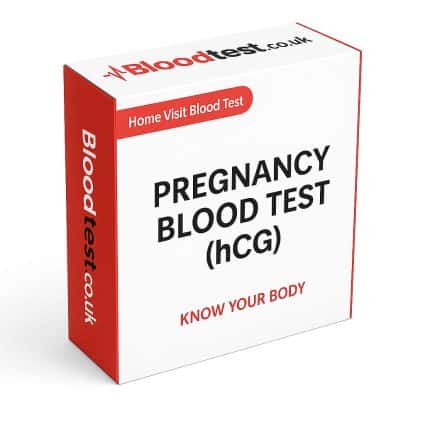

This proactive methodology is vital for both maternal and fetal health, laying the groundwork for personalised healthcare strategies that are tailored to meet individual needs. By gaining a deeper understanding of the intricacies involved in blood tests, expectant mothers are empowered to make informed choices that positively impact their health journey.
Discover the Different Types of Blood Tests Available for Expectant Mothers
In Northampton, a diverse selection of blood tests is readily available to support women throughout their pregnancy journey. These tests are designed in accordance with UK pregnancy guidelines and play a crucial role in monitoring both maternal and fetal health. The primary options include:
- hCG Tests: Assess the level of hCG hormone to confirm pregnancy status.
- Genetic Screening Tests: Detect genetic disorders and chromosomal abnormalities.
- Complete Blood Count (CBC): Evaluates overall health and identifies conditions such as anaemia.
- Blood Group and Rh Factor Tests: Determine blood type and Rh compatibility for safe delivery.
- Infectious Disease Screening: Tests for sexually transmitted infections (STIs) and other diseases that could impact pregnancy.
These blood tests are essential for facilitating informed medical decisions and ensuring timely interventions throughout the pregnancy, guaranteeing that both mother and baby remain healthy during this critical period.
The Essential Importance of Blood Tests in Prenatal Care
Blood tests are integral to monitoring health during pregnancy in the UK, particularly in Northampton. These tests empower healthcare providers to detect complications early, leading to improved outcomes for both mothers and infants. Routine testing aids in identifying risks such as gestational diabetes, pre-eclampsia, and infections, allowing healthcare teams to take immediate action to address these concerns. This proactive focus on safety and preparedness highlights the necessity of integrating blood tests into standard prenatal care protocols in Northampton, elevating them to a fundamental component of maternal health management.
How to Access Pregnancy Blood Tests in Northampton: Your Options
Expectant mothers in Northampton can obtain pregnancy blood tests through various channels, primarily via NHS services or private clinics. Typically, a referral from a GP is necessary to ensure that patients receive the appropriate tests tailored to their specific health needs. Local healthcare facilities, including Northampton General Hospital, and private establishments such as The Nuffield Health Hospital, offer these essential services, generally adhering to UK guidelines. It is noteworthy that waiting times may differ; however, prompt service is usually available, enabling mothers-to-be to plan their healthcare needs effectively and with confidence.
How is a Pregnancy Blood Test Conducted?
A Step-by-Step Overview of the Blood Testing Process
In healthcare facilities across the UK, including those in Northampton, a pregnancy blood test is a straightforward process designed with both efficiency and patient comfort in mind. The initial step involves a healthcare professional drawing a blood sample, typically from the arm, using sterile equipment to minimise the risk of infection. After collection, the sample is sent to a laboratory, where it undergoes processing to analyse hormone levels and other indicators pertinent to pregnancy health. Specific protocols are established to ensure that each step adheres to local requirements, promoting accuracy and reliability in the test results, which are pivotal for effective prenatal care.
What Can You Expect During the Blood Test Procedure?
During a pregnancy blood test in UK settings, patients can anticipate a quick and relatively painless experience. The procedure involves a brief needle insertion, which may cause minimal discomfort. In clinics throughout Northampton, trained staff are dedicated to providing support and reassurance, ensuring that the experience is as smooth as possible for expectant mothers. Patients are encouraged to express any concerns they may have, as healthcare providers strive to cultivate a positive atmosphere tailored to their individual needs. This personalised approach helps alleviate anxiety and enhances the overall testing experience.
Managing Discomfort: Key Considerations
While the discomfort associated with a pregnancy blood test is generally minimal, some patients may experience common issues such as bruising or soreness at the puncture site. In Northampton, healthcare providers recommend straightforward strategies to manage these discomforts effectively. For example, resting the arm and applying a cold compress can help reduce swelling and alleviate discomfort. Additionally, staying well-hydrated before the test ensures smoother blood draws and may mitigate feelings of lightheadedness. Implementing these coping strategies can significantly enhance the overall experience during and after the test, ensuring a more pleasant journey through prenatal care.
Expert Insights on the Importance of Pregnancy Blood Tests in Northampton
Specialists Emphasise the Advantages of Blood Testing
Healthcare experts in the UK highlight that blood tests provide invaluable data for effective pregnancy management in Northampton. The ability to assess hormone levels and detect potential complications early enables healthcare providers to tailor interventions to meet each patient’s needs. For instance, clinical studies indicate that the early identification of gestational diabetes through blood testing can lead to significantly improved maternal and fetal health outcomes. Such real-world examples reinforce the effectiveness of blood tests in enhancing overall pregnancy care and supporting the well-being of both mother and child.
Why Opt for Blood Tests Over Alternative Testing Methods?
The advantages of blood tests compared to alternative methods such as urine tests or imaging are substantial, especially within the context of UK healthcare. Blood tests are well-regarded for their precision and capability to detect conditions early, which is crucial for expectant mothers in Northampton. Medical professionals advocate for blood tests due to their reliability; for example, while urine tests may yield false negatives, blood tests provide a definitive answer regarding pregnancy status and hormone levels. This superior accuracy positions blood tests as an indispensable tool in prenatal care, significantly improving patient outcomes.
Understanding Potential Risks and Important Considerations
While pregnancy blood tests are generally safe, certain risks may be present. Infections at the blood draw site, though rare, necessitate careful monitoring, particularly in Northampton. Healthcare experts advise that proper sterilisation and technique are vital in minimising these risks. Patients should remain vigilant for signs of infection, such as increased redness or swelling, and should promptly report any concerning symptoms to their healthcare provider. By adhering to these precautions and ensuring the highest standards of care, the safety of the procedure is significantly enhanced, fostering trust in the prenatal care process.
What Are the Primary Benefits of Undergoing Pregnancy Blood Tests?
Benefits of Proactive Health Monitoring Through Blood Tests
Blood tests offer numerous advantages for monitoring health during pregnancy in the UK, especially in Northampton. These benefits include:
- Early Detection: Identifies potential issues before they escalate into serious complications, allowing for timely interventions.
- Comprehensive Data: Provides detailed insights into maternal health and wellness, guiding healthcare providers in their approach.
- Informed Decision-Making: Facilitates tailored care plans based on individual health needs and circumstances.
- Ongoing Monitoring: Enables continuous health assessments throughout the pregnancy, ensuring that any changes are promptly addressed.
- Enhanced Safety: Assists in preventing complications through proactive healthcare measures, ultimately safeguarding both mother and child.
The incorporation of these tests into routine prenatal care is vital for protecting the health of both mother and child, particularly in navigating the complexities of pregnancy and ensuring optimal outcomes.
What Does Early Detection Mean for Expectant Mothers?
Early detection through blood tests in the UK is crucial for promptly identifying potential complications that may arise during pregnancy. This proactive approach supports improved care in Northampton by enabling healthcare providers to implement necessary interventions swiftly. For example, if a blood test reveals elevated glucose levels, the care team can collaborate with the patient to manage the risk of gestational diabetes, ultimately leading to better health outcomes. This emphasis on early detection underscores the importance of regular blood testing in prenatal care, highlighting its role in promoting maternal and fetal health.
Emotional and Psychological Benefits Associated with Blood Tests
Pregnancy blood tests not only provide essential clinical insights but also deliver significant emotional and psychological benefits for expectant mothers. In Northampton, these tests can help alleviate anxiety by offering reassurance that everything is progressing normally. Knowing that regular checks are in place instils confidence in the pregnancy journey, allowing parents to concentrate on preparing for their forthcoming arrival. This emotional support is a fundamental aspect of comprehensive prenatal care, fostering well-being alongside physical health and ensuring a holistic approach to maternity care.
Research-Backed Advantages of Pregnancy Blood Tests in Northampton
Evidence from UK Research Studies
Research conducted in the UK underscores the effectiveness of blood tests during pregnancy, demonstrating that timely testing correlates with improved health outcomes for mothers and babies. Data from Northampton indicate that women who undergo regular blood tests are less likely to experience complications compared to those who do not partake in such testing. Specialist analyses confirm that these findings translate into practical applications in clinical settings, reinforcing the importance of routine blood testing. Therefore, the evidence strongly supports the integration of blood testing into standard prenatal care protocols.
Long-Term Health Benefits Associated with Regular Blood Testing
Blood tests not only contribute to immediate pregnancy health but also promote sustained health benefits within the UK context. In Northampton, early interventions based on blood test results can help prevent future complications, such as chronic conditions that may arise post-pregnancy. For instance, identifying anaemia allows for timely treatment, ensuring that mothers maintain their health even after childbirth. This ongoing care strategy emphasises the long-term value of regular blood testing throughout the pregnancy journey, supporting both maternal and infant health for years to come.
The Cost-Effectiveness of Blood Tests within the NHS Framework
Within the NHS, blood tests demonstrate their cost-effectiveness for monitoring pregnancy in Northampton. By balancing quality with accessibility, these tests offer excellent value for both the healthcare system and patients. Real-world examples from regional data illustrate how routine blood tests can prevent costly adverse outcomes by identifying complications early, ultimately conserving resources and enhancing patient care. This cost-effective approach underscores the importance of incorporating blood tests into standard prenatal care across the UK, ensuring that every mother receives the essential support she needs.
Facilitating Early Detection of Complications Through Blood Testing
Research findings from Northampton emphasise the role of pregnancy blood tests in facilitating the early identification of complications such as gestational diabetes or anaemia. These tests enable healthcare teams to implement timely NHS interventions, enhancing overall health outcomes for both mothers and babies. This focus on a preventive approach ensures safety and wellness for all involved, giving mothers the peace of mind they deserve.
Effective Preparation for a Pregnancy Blood Test: Key Steps
Essential Pre-Test Requirements to Ensure Accurate Results
Preparing for a pregnancy blood test in the UK involves several essential requirements to ensure accurate results. Expectant mothers in Northampton are generally advised to discuss their complete medical history with their healthcare provider and adhere to any fasting instructions provided. These preparations are critical for minimising variables that could influence test outcomes, such as recent food intake or medications. Following standard guidelines helps streamline the testing process and enhances the reliability of results, ultimately contributing to effective prenatal care.
Dietary and Lifestyle Recommendations for Optimal Test Outcomes
In the UK, maintaining a balanced diet in the lead-up to a blood test can significantly affect the reliability of the results. For patients in Northampton, it is advisable to avoid certain substances, such as alcohol and high-sugar foods, before testing. Instead, consuming a diet rich in fruits, vegetables, and lean proteins promotes healthier outcomes. Simple lifestyle adjustments, such as avoiding caffeine and ensuring adequate rest, can also enhance test accuracy. These conscious choices contribute to effective monitoring of pregnancy health, ensuring that mothers receive the best possible care.
What Items Should You Bring to the Appointment for Your Blood Test?
Patients attending a pregnancy blood test in Northampton should ensure they bring relevant identification and any necessary forms to facilitate the process. This includes their NHS number, if available, and any referral documentation from their GP. Having these items on hand can streamline the appointment and create a smoother experience during the test. Being prepared not only assists the healthcare providers but also alleviates any pre-test anxiety for expectant mothers, allowing them to focus on their health.
The Importance of Hydration and Physical Preparation for a Smooth Blood Draw
Ensuring proper hydration and rest before a pregnancy blood test in the UK is crucial, particularly in Northampton. Pregnant women are encouraged to drink plenty of water, as staying well-hydrated can ease the blood-drawing process and improve overall comfort during the procedure. Additionally, avoiding strenuous activities before the test helps prevent unnecessary fatigue or stress, making the experience more manageable. Adhering to NHS advice ensures optimal preparation, facilitating a more straightforward and less daunting experience for expectant mothers.
Post-Test Procedures: Understanding Your Results and Follow-Up Actions
How Long Will It Take to Receive Your Results After the Blood Test?
In the UK, results from pregnancy blood tests typically arrive within a few days, although this timeframe can vary based on lab processing times. For expectant mothers in Northampton, understanding this timeline is essential for planning subsequent steps in their prenatal care. Being aware that results may influence follow-up appointments or additional testing helps manage expectations and reduces anxiety related to the waiting period, allowing mothers to stay informed about their health.
How to Effectively Interpret Your Blood Test Results
Understanding the results of a pregnancy blood test involves reviewing key indicators that signify various aspects of maternal and fetal health. For patients in Northampton, common interpretations may include:
- hCG Levels: Confirming pregnancy and evaluating its progression to ensure healthy development.
- Blood Count: Identifying anaemia or other blood-related issues that may require intervention.
- Infection Markers: Indicating the presence of infections that may require treatment to safeguard maternal and fetal well-being.
- Genetic Screening Results: Assessing risks for genetic disorders, allowing for informed decision-making.
Consultation with healthcare providers can provide clarity on these results, ensuring that patients comprehend the implications for their pregnancy journey and what steps may be necessary moving forward.
Next Steps Following Your Results: What Should You Do?
Post-test actions in the UK involve consulting healthcare providers in Northampton for any necessary follow-up based on test results. If findings raise concerns, healthcare teams can seamlessly implement further testing or interventions as required. This thorough approach ensures that expectant mothers receive comprehensive care moving forward, fostering confidence in their healthcare journey and paving the way for informed decision-making that prioritises their health and that of their baby.
Dispelling Common Misconceptions and Presenting Facts about Pregnancy Blood Tests
Myths Surrounding Blood Tests: Debunked for Clarity
Numerous myths regarding blood tests in the UK, particularly concerning unnecessary pain or discomfort, are unfounded. In Northampton contexts, for instance, patients often find themselves pleasantly surprised by the minimal discomfort involved in the procedure. Addressing these misconceptions with evidence-based facts is essential for reassuring expectant mothers and encouraging them to pursue necessary testing without fear, ensuring that they feel empowered in their healthcare decisions.
Fact-Checking: Accurate Information on Blood Tests for Expectant Mothers
Accurate information regarding blood tests in the UK is vital for countering misinformation, especially within Northampton practices. Patients should understand that blood tests are a routine and safe component of prenatal care, with strict safety protocols in place. Verified information from reputable health sources underscores the importance of these tests in enabling timely, effective healthcare decisions, reinforcing the need for expectant mothers to engage in regular testing to safeguard their health.
When Should You Seek Further Medical Advice After Testing?
Knowing when to consult professionals about blood test results in the UK is crucial, particularly for patients in Northampton. Indicators warranting further advice include abnormal results, persistent symptoms, or sudden changes in health status. Patients should feel empowered to reach out to their healthcare provider for personalised support, ensuring they receive the necessary guidance tailored to their unique circumstances, ultimately promoting better health outcomes.
The Indispensable Role of Blood Tests in Comprehensive Prenatal Care
Regular blood tests are vital in prenatal care across the UK, including Northampton. These tests screen for conditions like anaemia and infections at early stages, allowing for timely interventions and informed decisions for expectant mothers. Based on NHS guidelines, blood tests help ensure safer pregnancies by providing essential information that enables healthcare providers to deliver comprehensive, personalised care throughout the pregnancy journey, significantly enhancing the overall experience for mothers.
Frequently Asked Questions about Pregnancy Blood Tests
What is a pregnancy blood test?
A pregnancy blood test is a medical procedure that measures hormone levels, particularly hCG, to confirm pregnancy and monitor maternal health effectively.
How accurate are pregnancy blood tests?
Pregnancy blood tests are highly accurate and can detect pregnancy much earlier than urine tests, making them a reliable option in prenatal care.
What should I bring to the blood test appointment?
Patients should bring identification, any relevant referral documents, and their NHS number if available to streamline the process during their appointment.
How long does it take to get results from a blood test?
Results from pregnancy blood tests typically arrive within a few days, depending on the laboratory processing time and local protocols in place.
Are there any risks associated with blood tests?
While generally safe, risks include potential infection at the puncture site, which can be minimised through proper technique and sterilisation practices.
How can I prepare for a pregnancy blood test?
Preparation may involve fasting, reviewing medical history, staying hydrated, and avoiding substances such as caffeine and alcohol before the test.
What if my blood test results are abnormal?
Abnormal results should prompt consultation with a healthcare provider to discuss potential next steps and necessary interventions tailored to the situation.
Can blood tests detect all pregnancy complications?
While blood tests are highly valuable, they do not detect every complication; additional testing or imaging may be required for a comprehensive assessment of maternal and fetal health.
What emotional benefits do blood tests provide?
Blood tests can alleviate anxiety by providing reassurance of a healthy pregnancy, fostering confidence in expectant mothers throughout their journey.
How often should I have blood tests during pregnancy?
The frequency of blood tests varies with individual health needs, but they are typically performed at key stages of pregnancy as part of routine prenatal care.
Connect with us on Facebook!
This Article Was First Found On https://bloodtest.co.uk
The Article Pregnancy Blood Test: Your Essential Guide in Northampton found first on https://electroquench.com