Explore the Groundbreaking Sustainable Cooking Trends Shaping Our Culinary Landscape
What Essential Ingredients Are Propelling the Movement Towards Sustainable Cooking?
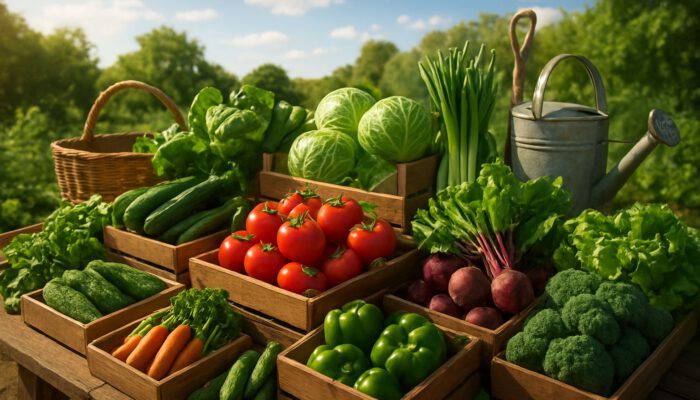
The culinary scene is undergoing a significant evolution, driven by a heightened focus on sustainability. The most influential ingredients that are transforming our meals prominently feature plant-based options, which play a crucial role in reducing carbon footprints and promoting healthier eating habits. In addition, the concept of mindful sourcing is gaining momentum, emphasising the need for locally grown produce and sustainable agricultural practices. These innovative approaches forge a symbiotic relationship between nutrition and environmental care. Key ingredients leading this sustainable culinary revolution include:
- Legumes (such as lentils, chickpeas, and beans)
- Whole grains (including quinoa, barley, and brown rice)
- Seasonal fruits and vegetables
- Fermented foods (like kimchi and sauerkraut)
- Herbs and spices (to enhance flavour)
- Alternative proteins (such as tofu, tempeh, and seitan)
- Locally-sourced dairy (where applicable)
- Nuts and seeds (like almonds and chia seeds)
As consumers become more conscious of their ecological footprint, the culinary sector is evolving in response. By incorporating these ingredients into our diets, we not only support sustainability but also enrich our culinary experiences with a diverse array of flavours and textures that delight the palate.
What Are the Advantages of Including Seasonal Produce in Your Meals?
Incorporating seasonal produce into our culinary practices is essential for promoting sustainability and significantly enhancing ecological methods. Fresh fruits and vegetables obtained from local farmers are in harmony with natural growth cycles, allowing us to enjoy food at its peak flavour and nutritional content. By coordinating meal preparation with local harvests, households can dramatically decrease energy consumption associated with the transport and storage of out-of-season products. This shift promotes healthier eating habits globally, as seasonal produce typically showcases vibrant hues, rich flavours, and elevated nutrient density.
Utilising seasonal produce not only supports local agricultural communities but also fosters a stronger connection to our food sources. By adapting our meals to reflect the changing seasons, we can savour an exciting range of flavours and textures, enhancing our culinary skills while making sustainable choices that benefit both our health and the environment.
What Practical Strategies Can Help Minimise Food Waste in the Kitchen?
Reducing waste in the kitchen is crucial for fostering sustainability in our culinary practices. Many straightforward techniques can seamlessly integrate into our daily routines, such as composting and repurposing leftovers. Composting organic waste not only diverts it from landfills but also produces nutrient-rich soil, enhancing garden productivity and overall health.
Repurposing involves creatively using leftover ingredients or meals, sparking inspiration for innovative dishes while significantly reducing food waste. Strategies such as meal planning centred around perishable items, crafting stocks or broths from scraps, and engaging in batch cooking can lead to substantial conservation of resources. By incorporating these straightforward strategies, individuals can effortlessly adopt eco-friendly practices into their daily lives, making sustainability an integral aspect of their routines.
Discover the Exceptional Benefits of Eco-Conscious Ingredients

What Nutritional Benefits Do Whole Foods Provide?
Whole foods, which are unrefined and free from artificial additives, offer remarkable nutritional benefits that contribute to a balanced and wholesome diet. These ingredients are rich in essential vitamins, minerals, and nutrients that promote overall health and vitality. When individuals choose whole foods, they not only nourish their bodies but also engage in environmental stewardship, as these selections generally require fewer resources and additives during production.
Cooking with whole foods encourages simple preparation methods that enhance flavour and satisfaction. Meals created from unrefined ingredients often lead to greater satiety, reducing cravings for unhealthy snacks and fostering a healthier relationship with food. By prioritising whole foods, consumers can indulge in meals that are both delicious and beneficial for their health and the environment.
How Can I Achieve a Sustainable Balance of Flavours in My Cooking?
Creating a balanced array of flavours in a sustainable manner ensures our meals remain enjoyable and environmentally responsible. The key lies in thoughtfully combining ingredients that enhance taste while adhering to eco-friendly principles. Utilising herbs and spices can elevate dishes without resorting to excessive fats or sugars, ensuring meals are both flavourful and satisfying.
Practical strategies for achieving this balance include emphasising umami flavours, which can be derived from ingredients like mushrooms, fermented products, and aged cheeses. Incorporating a variety of textures and colours from seasonal produce can enhance visual appeal and overall enjoyment. By focusing on fresh, local ingredients and using techniques that amplify natural flavours, cooks can create meals that tantalise the palate while conserving valuable resources.
What Are the Long-Term Health Benefits of Adopting Sustainable Eating Habits?

Choosing natural, whole foods has lasting effects on health that extend far beyond immediate dietary changes. The regular consumption of nutrient-dense foods fosters long-term wellness, decreasing the risk of chronic diseases while enhancing overall vitality. By aligning dietary choices with ethical practices, individuals can cultivate a lifestyle that supports not only their personal health but also the well-being of our planet.
The positive outcomes of these choices are significant, as a diet rich in whole foods promotes better digestion, increased energy levels, and improved mental clarity. Over time, these benefits contribute to a holistic approach to health, highlighting the importance of integrating eco-friendly ingredients into our daily meals to ensure sustained well-being.
What Environmental Sustainability Benefits Can We Realise Through Sustainable Cooking?
Embracing eco-friendly ingredients offers a powerful opportunity to lessen our ecological footprints while advocating for environmental sustainability. By minimising resource consumption and pollution through responsible sourcing and consumption habits, individuals can contribute to biodiversity and soil health. Sustainable cooking practices endorse long-term planetary health by respecting natural ecosystems and promoting environmental protection.
The choice of ingredients plays a crucial role in environmental impact; opting for locally grown produce diminishes transportation emissions, while organic farming techniques nurture healthier soil and water systems. By consciously selecting what we consume, we can have a substantial influence on environmental outcomes, paving the way for a more sustainable future through our everyday cooking practices.
How Can Cost-Effective and Ethical Sourcing Enhance Our Culinary Choices?
Choosing sustainable ingredients not only meets our environmental needs but also offers financial benefits. By prioritising cost-effective and ethically sourced foods, consumers can enjoy reduced long-term expenses associated with decreased waste and healthier dietary choices. Sustainable sourcing often involves supporting fair trade practices, empowering communities, and fostering social responsibility within our food selections.
Investing in sustainable foods can lead to considerable savings over time. For example, buying in bulk from local markets or participating in community-supported agriculture (CSA) can lower costs while ensuring access to fresher produce. Furthermore, minimising reliance on processed foods, which frequently come with hidden expenses, supports both personal savings and community empowerment, demonstrating that sustainable cooking benefits not just the planet but also individual finances.
How Does Sustainable Sourcing Function in Real-Life Applications?
What Are the Fundamental Principles of Ethical Ingredient Selection?
Responsible ingredient sourcing adheres to several key principles that promote fairness and efficiency. These principles include prioritising local suppliers, ensuring fair wages for farmers, and selecting products that minimise environmental impact. Transparency in sourcing practices is vital for establishing trust between consumers and producers, ensuring that ethical considerations remain at the forefront of purchasing decisions.
Understanding the origins of ingredients empowers consumers to make informed choices that reflect their values. By selecting products from companies dedicated to ethical sourcing practices, individuals contribute to a food system that highlights sustainability and human rights, reinforcing the collective responsibility of consumers in shaping a more equitable food landscape.
What Challenges Do We Face in Upholding Ethical Sourcing Standards?
Maintaining consistency in ethical sourcing standards presents numerous challenges within the culinary industry. Common obstacles include fluctuating market prices, limited access to local suppliers, and varying definitions of sustainability among producers. Addressing these challenges requires a proactive and collaborative approach, where stakeholders come together to establish clear guidelines and uphold high standards.
Strategies for overcoming these hurdles involve building strong relationships with local farmers and suppliers, engaging in community-supported agriculture, and advocating for policies that promote sustainable practices. By cultivating a network of reliable partners, both individuals and businesses can create a resilient system that champions quality and ethical sourcing, ensuring that sustainability becomes an essential element of culinary practices.
What Innovations Are Transforming Resource Usage in Cooking?
Recent advancements in resource utilisation have streamlined materials and transformed everyday cooking practices. Innovative solutions include developing eco-friendly packaging, repurposing food waste for new products, and employing technology to enhance kitchen operations. These innovations not only improve efficiency but also contribute to establishing a more sustainable food system.
For instance, using apps that track food inventory can significantly reduce waste by reminding users of expiration dates and suggesting recipes based on available ingredients. Moreover, advancements in agricultural technology, such as vertical farming and hydroponics, provide sustainable alternatives for food production in urban settings. By embracing these innovations, we can achieve better outcomes in our daily cooking and consumption habits, aligning our culinary practices with sustainability goals.
How Does Community Engagement Strengthen Sustainable Sourcing?
Sustainable sourcing plays a vital role in enhancing community well-being, bolstering local economies through fair trade, job creation, and environmental conservation. Engaging with local farmers and producers helps establish equitable food systems that prioritise sustainability and social equity. This engagement reinforces community connections and nurtures a shared responsibility for environmental stewardship while promoting economic stability.
Successful case studies from around the globe illustrate the positive effects of community-focused sourcing. For example, farmers’ markets and community-supported agriculture initiatives empower consumers to connect directly with producers, enhancing transparency and trust. By fostering partnerships that emphasise sustainability, communities can flourish, creating a more resilient food system that benefits everyone involved.
Expert Insights on the Leading Sustainable Cooking Trends for 2025
What Advanced Techniques Can Improve Cooking Efficiency?
Optimising kitchen processes is essential for enhancing sustainability while minimising waste. Employing strategies such as batch cooking, efficiency-driven meal preparation, and smart storage solutions can streamline workflows and significantly reduce environmental impact. Real-world examples demonstrate the effectiveness of these strategies across various culinary applications.
For instance, restaurants that adopt a zero-waste philosophy often utilise methods like preserving vegetable scraps or using fish bones for stock. These practices not only cut down on waste but also enhance the flavour profiles of dishes. By analysing and refining cooking techniques, individuals can uncover opportunities for improvement, leading to a more efficient and sustainable kitchen environment.
How Are Meal Preparation Practices Transforming to Promote Sustainability?
Experts recommend adapting meal preparation routines to enhance sustainability in cooking. Focusing on planning and organisation can lead to more responsible choices and significantly reduce food waste. For example, creating a weekly menu that incorporates seasonal ingredients not only aligns with sustainable practices but also simplifies shopping and cooking processes.
Incorporating methods such as preparing large batches of grains or legumes and using versatile ingredients can streamline cooking routines. Additionally, involving family members in meal preparation fosters collaboration and reinforces the importance of sustainable practices within households. By modernising our approaches in this way, we can enhance efficiency while nurturing a culture of sustainability.
How Can We Measure Our Progress in Adopting Sustainable Practices?
Monitoring metrics related to sustainable cooking practices provides valuable insights into the effectiveness of implemented changes. Noticing improvements in habits, such as reduced food waste, increased utilisation of seasonal ingredients, and enhanced meal satisfaction, serves as a benchmark for progress. By setting clear objectives and measuring outcomes, individuals can refine their approaches and maximise their impact.
Metrics may include the volume of food saved through careful planning, the frequency of local produce usage, and the overall reduction of waste generated in the kitchen. By focusing on observable improvements, individuals can celebrate their achievements and identify areas for further enhancement, ensuring that sustainable practices are continuously refined and embraced.
What Environmental Effects Arise from Our Culinary Choices?
What Impacts Do Our Choices Have on Ecosystems?
The decisions we make in our kitchens have significant ramifications for natural ecosystems. Thoughtful ingredient selection can lead to reductions in pollution and environmental degradation. For instance, choosing organic and sustainably sourced products diminishes reliance on harmful pesticides and fosters biodiversity.
The cumulative effect of individual decisions contributes to healthier ecosystems, as responsible practices in agriculture and food production enhance soil health and water quality. By understanding the broader implications of our culinary choices, we can actively participate in nurturing a sustainable future for our planet.
How Can We Mitigate Adverse Environmental Effects in Our Cooking Practices?
Mitigating negative environmental impacts requires proactive measures integrated into our daily cooking habits. Simple steps can counteract potential harm, such as prioritising local and seasonal produce, minimising single-use plastics, and reducing energy consumption during meal preparation.
Implementing energy-efficient cooking methods, such as using pressure cookers or slow cookers, can significantly decrease energy usage. Additionally, composting food scraps diverts waste from landfills, further alleviating environmental strain. By adopting these preventive measures, we can create a positive impact on the environment while enjoying delicious meals.
What Are the Long-Term Ecological Benefits of Sustainable Cooking Methods?
Sustainable cooking practices yield enduring benefits that contribute to a healthier planet over time. Positive shifts in resource balance stem from the continuous adoption of eco-friendly approaches, resulting in improved soil health, biodiversity, and water quality. By prioritising sustainability in our culinary habits, we contribute to a regenerative food system that benefits future generations.
The long-lasting ecological advantages of these methods are profound, as they foster resilience within ecosystems and help mitigate the effects of climate change. Minor adjustments in our cooking practices can have far-reaching effects, shaping a more sustainable future that respects and preserves the environment.
Research-Driven Strategies for Sustainable Cooking
What Evidence-Based Ingredient Swaps Can We Implement?
Making ingredient swaps based on research can significantly reduce environmental impact while enhancing culinary creativity. For example, substituting animal-based proteins with plant-based alternatives not only lowers carbon emissions but also promotes healthier eating practices. Real-life examples illustrate successful substitutions, such as using lentils instead of ground meat for tacos or chickpeas as a chicken substitute in salads.
These alternatives frequently prove more affordable and versatile, allowing for a wide range of applications across various cuisines. By consciously choosing ingredients, individuals contribute to sustainability while indulging in innovative and delightful meals that are both satisfying and environmentally responsible.
How Can We Enhance Energy Efficiency During Cooking?
Proven methods for conserving energy during meal preparation are essential for reducing resource use in everyday cooking. Techniques such as batch cooking, utilising energy-efficient appliances, and implementing energy-saving practices can lead to significant reductions in energy consumption. For instance, using a microwave instead of an oven for reheating can save considerable energy.
Moreover, meal prep strategies that focus on utilising leftovers can minimise the need for extra cooking, further conserving energy. By adopting these energy-efficient methods, individuals can enjoy the dual benefits of delicious meals and a reduced environmental footprint.
How Can We Track Our Progress with Data-Driven Insights?
Monitoring outcomes through data-driven insights can enhance the effectiveness of sustainable cooking practices. Methods such as tracking food waste, measuring the usage of seasonal ingredients, and analysing meal satisfaction provide valuable metrics that guide improvements. Expert analysis indicates that data-driven approaches lead to informed decisions and refined practices that align with sustainability objectives.
Regular assessments of culinary habits enable individuals to celebrate their accomplishments and pinpoint areas for growth. By focusing on measurable improvements, sustainable cooking can evolve into a consistent and impactful practice that resonates with personal values and environmental aspirations.
What Sustainable Waste Reduction Techniques Should We Employ in Our Cooking?
Research-supported methods for reducing food waste in cooking are crucial for fostering eco-friendly habits. Techniques such as appropriate food storage, creatively recycling scraps, and thorough meal planning play a vital role in waste reduction. Properly storing produce can extend its lifecycle, minimising spoilage and waste.
Additionally, employing creative strategies for repurposing leftovers—such as transforming vegetable peels into stock or using stale bread for croutons—enhances resourcefulness in the kitchen. By incorporating these practical techniques, individuals can cultivate sustainable habits that contribute to environmental conservation while enjoying wholesome and satisfying meals.
How Can We Make Sustainable Choices in Our Daily Meals?
What Simple Swaps Can Enrich Everyday Eating Practices?
Implementing straightforward swaps in daily meals can enrich our routines while aligning with eco-friendly objectives. For instance, replacing refined sugars with natural alternatives like honey or maple syrup can diminish environmental impact while enhancing flavour. Similarly, choosing whole grains over refined options promotes better health and sustainability.
These uncomplicated changes not only simplify meal preparation but also encourage a more mindful approach to eating. By embracing simple swaps, individuals can make significant strides towards sustainability without sacrificing taste or satisfaction.
How Can We Harmonise Taste with Ethical Practices in Cooking?
Achieving a balance between flavour and ethical principles is essential for crafting delicious and responsible meals. Strategies for realising this equilibrium include prioritising seasonal ingredients that are both delectable and sustainably sourced. By focusing on local produce, cooks can enhance flavour while supporting ethical farming practices that benefit the environment.
Experimenting with herbs and spices can elevate dishes, fostering creativity in flavour without relying on unsustainable ingredients. By integrating taste and ethical considerations, individuals can enjoy satisfying meals that reflect their values and commitment to sustainability.
What Common Barriers Might We Overcome in Sustainable Cooking Practices?
Effectively addressing obstacles to adopting sustainable cooking practices is vital for achieving lasting change. Common challenges include time constraints, lack of knowledge, and limited access to sustainable ingredients. Solutions to these barriers involve practical tips for seamless integration into daily routines.
For instance, meal prepping in advance can alleviate time pressures, while educational resources on sustainable cooking can enhance knowledge and confidence. Establishing relationships with local farmers or co-ops can also improve access to fresh, sustainable produce. By proactively addressing these challenges, individuals can cultivate a sustainable cooking practice that aligns with their lifestyle and values.
What Are the Advantages of Exploring Seasonal and Local Ingredients?
The benefits of selecting local produce are multifaceted, extending beyond environmental impact. Seasonal fruits and vegetables not only reduce carbon footprints but also provide variety and freshness to our meals. Supporting local farmers fosters sustainable agricultural practices and strengthens community resilience, ensuring that we enhance local economies.
Practical advice for shopping and meal planning includes visiting farmers’ markets, joining community-supported agriculture (CSA) programmes, and exploring seasonal recipes. By prioritising local and seasonal ingredients, individuals can create delicious meals that celebrate the richness of their regions while positively impacting the environment.
Innovative Recipes for a Sustainable Future
What Are Some Creative Ways to Utilise Leftovers?
Repurposing scraps and leftovers offers an inventive approach to extending meals while conserving resources. Here are some ideas for imaginative leftover applications:
- Vegetable scraps for homemade stock
- Bread ends transformed into croutons or used in bread pudding
- Fruit peels for flavour-infused water
- Grains used as bases for salads or stir-fries
- Cooked proteins incorporated into wraps or salads
- Herbs wilting? Blend them into pestos
- Leftover sauces repurposed as dips or dressings
- Overripe fruits utilised for smoothies or baking
These inventive ideas not only curtail waste but also spark culinary creativity, transforming what might otherwise be discarded into delightful and appetising dishes.
How Can We Combine Flavours with Green Practices in Cooking?
Merging diverse culinary techniques can yield exciting eco-friendly results in sustainable cooking. Fusion dishes that incorporate local ingredients while honouring traditional flavours can enhance sustainability and broaden culinary horizons. For example, blending Mediterranean herbs with Asian spices can create a unique and flavourful dish that pays homage to both cultures.
Exploring global cuisines allows for the integration of sustainable practices, encouraging cooks to experiment with combinations that reflect ethical sourcing and seasonality. By creatively merging flavours, individuals can enjoy a diverse array of meals that are both mindful and delectable, celebrating the art of cooking while supporting the environment.
How Can We Update Classic Recipes to Meet Modern Needs?
Modernising traditional recipes with efficient methods is essential for ensuring their lasting relevance in sustainable cooking. Emphasising flexibility and adaptability allows classic dishes to evolve while remaining accessible. For instance, transforming a traditional beef stew into a hearty vegetable and lentil stew maintains the comforting essence of the original dish while significantly reducing its environmental impact.
Updating these recipes to incorporate sustainable practices showcases the versatility of classic dishes, inviting new generations to appreciate their heritage. The ability to adapt recipes ensures they remain part of our culinary traditions while aligning with contemporary sustainability goals, paving the way for a greener future.
The Evolution of Cooking Practices Over Time
What Changes Are Occurring in Cultural Approaches to Cooking?
Cultural approaches to cooking are undergoing significant transformations, reflecting a growing awareness of sustainability among consumers. Traditional methods are being reassessed, leading to adaptations that embrace eco-friendly practices. For example, many cultures are revisiting fermentation as a preservation technique, which is both sustainable and health-promoting.
These shifts underscore the vital importance of blending tradition with modernity, allowing culinary practices to evolve while honouring ancestral knowledge. By adopting these changes, cooks can cultivate a more sustainable culinary landscape that respects heritage and the future of our planet.
How Can We Future-Proof Our Daily Cooking Habits?
Establishing resilient routines in cooking is essential for future-proofing our daily habits. This involves integrating sustainable practices that can withstand changing circumstances, such as economic fluctuations or environmental challenges. Strategies may include prioritising seasonal ingredients, engaging in meal prepping, and fostering community connections through local sourcing.
By cultivating these habits, individuals can ensure their culinary practices remain adaptable and sustainable. Future-proofing requires a mindset shift that embraces innovation while upholding sustainability principles, promoting a harmonious relationship with our environment.
How Is Technology Enhancing Cooking Efficiency?
Innovative technologies are revolutionising cooking processes while supporting eco-friendly objectives. Smart kitchen devices, meal planning apps, and sustainable cooking platforms streamline workflows and provide valuable insights into resource management. For example, utilising digital meal planners can optimise ingredient usage and minimise waste in the kitchen.
Integrating technology fosters efficiency, allowing cooks to focus more on creativity and sustainability. By harnessing these advancements, individuals can elevate their culinary practices, aligning with both modern needs and environmental stewardship.
FAQs About Sustainable Cooking Practices
What are the leading sustainable cooking trends for 2025?
The latest sustainable cooking trends for 2025 centre around plant-based ingredients, local sourcing, waste reduction techniques, and innovative cooking methods that prioritise ecological impact and sustainability.
How can I effectively reduce food waste in my kitchen?
To effectively diminish food waste, practice meal planning, creatively utilise leftovers, compost food scraps, and ensure proper storage to prolong the shelf life of your ingredients.
What are some examples of eco-friendly ingredients?
Examples of eco-friendly ingredients include seasonal fruits and vegetables, whole grains, legumes, plant-based proteins, and sustainably sourced dairy and seafood products.
What advantages come from using seasonal produce?
Using seasonal produce enhances nutritional value, reduces transportation emissions, supports local farmers, and adds freshness and flavour to meals, promoting a healthier diet.
How can I make sustainable choices while grocery shopping?
To make sustainable choices, prioritise local and seasonal produce, select organic options, reduce plastic packaging, and support fair trade products to enhance ethical consumption.
What are some creative ways to repurpose leftovers?
Creative ways to repurpose leftovers include making stocks from vegetable scraps, transforming stale bread into croutons, and incorporating leftover proteins into salads or wraps for added nutrition.
How can I balance taste with sustainability in my cooking?
Balancing taste with sustainability involves using fresh, local ingredients, experimenting with herbs and spices, and focusing on plant-based dishes that are both flavourful and satisfying.
What are the long-term health benefits of sustainable cooking?
Long-term health benefits of sustainable cooking include improved nutrient intake, lowered risk of chronic diseases, and enhanced overall well-being through mindful and responsible eating practices.
How do innovative cooking methods contribute to sustainability?
Innovative cooking methods contribute to sustainability by optimising energy use, reducing waste, and promoting efficient ingredient utilisation through technology and smart kitchen practices.
What role does community engagement play in sustainable sourcing?
Community engagement in sustainable sourcing supports local economies, promotes fair trade practices, and strengthens relationships between consumers and producers, enhancing social equity in food systems.
Join the conversation on our Facebook page!
The post Top Sustainable Cooking Trends for 2025: Eco Innovations appeared first on https://cookinggods.com
The Article Sustainable Cooking Trends: Eco Innovations for 2025 Was Found On https://limitsofstrategy.com
The Article Sustainable Cooking Trends for 2025: Eco Innovations Unveiled found first on https://electroquench.com