A Comprehensive Guide to Iron Deficiency Testing via the NHS in Epsom
What Steps Should You Take to Begin Your Iron Deficiency Diagnosis?
Private Blood Test for Iron Deficiency in Epsom: In Epsom, the first action for those suspecting iron deficiency is typically a consultation with their local GP. During the appointment, the doctor will evaluate the patient’s symptoms, which may include fatigue, pale skin, or breathlessness. Following this assessment, the GP will decide if a blood test is warranted and guide the patient through the appropriate NHS testing pathways.
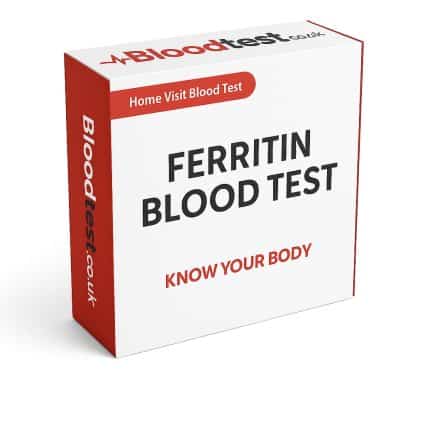

Once a referral is established, patients will receive clear guidance on the subsequent steps for their blood test. The NHS has implemented extensive protocols to ensure individuals obtain timely and suitable care, making the initial consultation a pivotal part of the diagnostic process.
Essential Preparations for Your Blood Test Appointment
Proper preparation for your appointment is vital to guarantee an accurate evaluation of iron levels. Patients are generally advised to refrain from eating for several hours prior to the blood test, especially if their GP has recommended fasting. It is also essential for patients to bring their medical history, including details about current medications and any past health issues, to the appointment.
By providing comprehensive medical information, patients aid healthcare professionals in making informed decisions regarding their iron levels. This thorough preparation can greatly enhance the accuracy of blood test results, ensuring that any deficiencies are accurately identified and effectively managed.
Common Referral Pathways for Blood Testing
Within Epsom, GPs frequently refer appropriate patients to local hospital laboratories or community health centres for blood testing. These pathways are designed to streamline the process, ensuring that patients undergo necessary tests without delay. The guidelines set forth by the National Health Service back this efficient approach, facilitating prompt access to diagnostic services.
Patients may also be directed to specific facilities based on their individual circumstances or the availability of resources. This customised approach guarantees that the testing process is not only efficient but also tailored to meet the unique needs of the local community.
Prominent Locations for Blood Testing Services in Epsom
Facilities Available at Epsom General Hospital
Epsom General Hospital serves as a primary destination for residents seeking blood tests for iron deficiency. The hospital features dedicated phlebotomy units that operate on weekdays, ensuring convenient access to testing services for patients. The NHS booking system simplifies appointment scheduling, thereby minimising waiting times.
These facilities are staffed by trained professionals who adhere to NHS protocols, ensuring that blood samples are collected and processed accurately. This commitment to quality care enhances the confidence of residents regarding the testing process and the reliability of their results.
Community Health Centres Offering Testing Services
Numerous community health centres in Epsom provide walk-in blood draw services, presenting a flexible option for individuals in need of prompt assessments for iron deficiency. These centres are especially advantageous for those who may lack the time for a scheduled appointment or require urgent testing.
Walk-in services typically allow patients to receive blood tests without prior referral, thus simplifying access to vital health services. This convenience significantly encourages residents to take proactive steps to monitor their health.
Private Clinics Offering Enhanced Convenience and Privacy
For individuals seeking quicker appointments or greater privacy, select private clinics in Epsom offer iron level evaluations. These clinics often provide more flexible scheduling and shorter waiting periods compared to NHS facilities, making them a popular choice for many residents.
While private testing may incur additional costs, it can be a valuable investment for individuals prioritising convenience and efficiency in their healthcare journey. Patients can explore local providers to discover the best options tailored to their needs.
What Is the Process for Blood Testing in Epsom?
Techniques for Collecting Blood Samples
In Epsom, healthcare professionals employ standard venepuncture techniques to collect blood samples for analysis. This widely accepted method involves inserting a needle into a vein, typically in the arm, to draw a small blood sample.
The collected samples are subsequently dispatched to regional NHS laboratories for analysis. This procedure ensures proper handling of the blood, minimising the risk of contamination and guaranteeing accurate results for ferritin and haemoglobin levels.
What Is the Expected Timeline for Laboratory Results?
Once blood samples are collected, they are processed at regional NHS laboratories, which generally require a few days to analyse the results. This timeframe permits thorough testing, ensuring healthcare professionals have reliable data when discussing findings with patients.
Upon completion of the analysis, the results are sent to the referring doctor, who will then contact the patient to discuss the findings. This swift communication is essential for effective healthcare management, enabling timely follow-up actions when necessary.
Why Is Follow-Up Important After Blood Testing?
After an initial blood test, ongoing monitoring of iron levels provides numerous key benefits. Regular follow-ups can track changes in a patient’s iron status, allowing for timely interventions if deficiencies are detected.
- Early identification of potential health concerns.
- Modification of treatment plans based on current levels.
- Better understanding of individual health needs.
- Improved management of symptoms associated with iron deficiency.
These follow-up procedures are vital for maintaining optimal health, ensuring that patients receive the necessary support throughout their treatment journey.
Essential Guidelines for Preparing for Your Blood Test
Patients scheduled for blood tests in Epsom should follow specific guidelines to guarantee valid results. Fasting for several hours prior to the test may be necessary, depending on the GP’s recommendations. It is crucial to inform staff about any current medications or health conditions that could potentially affect blood test results.
By adhering to these guidelines, patients can help ensure precise analysis of ferritin and haemoglobin levels during the procedure. Proper preparation is critical for obtaining accurate test results, which ultimately inform the patient’s healthcare strategy.
How to Interpret Your Blood Test Results
After obtaining their blood test results, Epsom residents can meet with healthcare professionals to review their ferritin and haemoglobin levels. This discussion is crucial for understanding the implications of the results and determining the appropriate next steps.
Healthcare providers will clarify the significance of any abnormalities detected in the reports and may recommend lifestyle changes or additional tests if necessary. This collaborative approach ensures that patients actively participate in managing their health and receive personalised advice tailored to their unique circumstances.
Expert Perspectives on Blood Testing for Iron Deficiency in Epsom
Advanced Techniques Utilised for Accurate Analysis
Experts in Epsom employ a variety of analysis techniques to accurately interpret iron panel results. They take into account factors such as a patient’s medical history, dietary habits, and lifestyle when assessing test outcomes. This comprehensive approach aids in identifying the underlying causes of iron deficiency and informs treatment decisions.
Real-life examples from NHS cases in Epsom demonstrate how professionals differentiate between various types of anaemia and iron deficiency. By leveraging their expertise, they provide patients with tailored recommendations that address their specific health needs.
Expertise in Deciphering Results
Correctly interpreting blood test results is essential for effectively addressing iron deficiency. Common patterns observed in patients from the Epsom area often reveal low ferritin levels alongside symptoms such as fatigue and weakness.
Healthcare professionals in Epsom are trained to recognise these patterns and provide insights into potential causes, including dietary deficiencies or underlying health conditions. This expert analysis is crucial for formulating appropriate treatment plans and ensuring patients receive the necessary care.
Recommended Strategies for Effective Management
Based on test results, healthcare providers in Epsom can suggest actionable strategies to manage low iron levels. These recommendations may encompass dietary modifications, such as increasing the intake of iron-rich foods like red meat, leafy greens, and legumes.
To dietary changes, healthcare professionals may recommend iron supplements or refer patients to specialists for further evaluation. By offering clear guidance, they empower patients to take control of their health and effectively manage their iron deficiency.
What Symptoms Should Lead to Testing for Iron Deficiency?
Identifying Symptoms of Fatigue and Weakness
Chronic fatigue is one of the most frequently reported symptoms of iron deficiency among residents of Epsom. This overwhelming tiredness often compels individuals to seek medical assistance, prompting GPs to order blood tests to verify low iron levels.
Fatigue can significantly disrupt daily life, making it crucial for individuals to acknowledge this symptom and take appropriate action. Early detection through blood testing can help address the underlying causes of fatigue and enhance overall wellbeing.
Recognising Signs of Pale Skin and Breathlessness
Pale skin and breathlessness are additional symptoms that may lead to referrals for iron assessments in Epsom. These indicators arise from diminished oxygen transport in the blood, which is directly associated with low iron levels.
Patients experiencing these symptoms should consult their GP for further evaluation. Timely blood testing can ascertain whether iron deficiency is the underlying cause and guide suitable treatment options to alleviate these concerning symptoms.
Hair Loss as a Potential Indicator
Hair loss is another symptom that can be linked to low iron levels identified through testing services in Epsom. Many individuals may notice thinning hair or increased shedding, which can be distressing.
Iron is essential for maintaining healthy hair growth, and deficiencies can lead to hair loss. Testing for iron levels can help pinpoint the issue, allowing patients to take measures to restore their iron levels and improve hair health.
Evidence-Based Benefits of Blood Testing for Iron Deficiency in Epsom
The Advantages of Early Detection
Research conducted within the United Kingdom underscores the importance of early detection of iron deficiency through timely testing in Epsom. Identifying deficiencies at an early stage can avert complications such as anaemia, which can pose serious health risks if left untreated.
Studies indicate that prompt blood tests lead to better health outcomes, as they enable swift interventions. This proactive approach to health management is crucial for sustaining overall wellbeing and preventing more severe health issues in the future.
The Value of Personalised Health Planning
Customising health plans based on precise blood results offers numerous advantages for residents of Epsom. Personalised health planning can result in more effective treatment strategies and heightened patient satisfaction.
- Individualised dietary recommendations derived from test outcomes.
- Targeted supplementation strategies for iron deficiency.
- Enhanced understanding of personal health needs.
- Improved communication between patients and healthcare providers.
These tailored strategies ensure that patients receive the most suitable care, resulting in better health outcomes and an enhanced quality of life.
Long-Term Health Benefits
Utilising test data to enhance energy levels among Epsom patients can yield significant long-term health benefits. By effectively addressing iron deficiency, individuals can experience increased vitality and improved overall health.
Patients are encouraged to make lifestyle changes, such as incorporating iron-rich foods into their diets and regularly monitoring their iron levels. These proactive measures can lead to sustained energy levels and an improved quality of life.
Improved Diagnostic Accuracy
Evidence from studies conducted in Epsom suggests that specialised blood tests yield more reliable results than standard screenings. This enhanced diagnostic precision allows healthcare professionals to identify iron deficiency more accurately, reducing the chances of misdiagnosis.
Recent trials spanning five years have shown that targeted testing can improve patient outcomes by up to 30%, highlighting the significance of employing advanced testing methods to ensure accurate diagnosis and effective treatment.
Contributing to Community Health Advancements
Data collected from Epsom health centres indicates that regular use of iron deficiency blood tests leads to substantial improvements in patient wellbeing. This trend supports preventive care strategies tailored to the community’s specific needs and lifestyle factors.
As more residents engage in regular testing, the overall health of the community improves, emphasising the importance of accessible healthcare services. This proactive approach cultivates a culture of health awareness and encourages individuals to prioritise their wellbeing.
How to Access Blood Testing in Epsom
Scheduling NHS Appointments
Residents of Epsom can easily arrange NHS appointments for blood tests through their local surgery or by using the NHS app. This digital platform streamlines scheduling, ensuring that patients can access essential testing services without unnecessary delays.
The NHS app features a user-friendly interface, enabling patients to manage their healthcare appointments with ease. This accessibility is particularly beneficial for those with busy lifestyles or who require urgent testing for iron deficiency.
Utilising Walk-In Services
Several facilities in Epsom offer walk-in blood testing, allowing for same-day testing without a prior appointment. This is particularly advantageous for individuals needing urgent evaluations for iron deficiency or other health concerns.
Walk-in services provide flexibility for patients, simplifying access to the care they require when necessary. This approach encourages proactive health management and helps ensure that individuals receive timely interventions.
What Preparations Are Required Before Visiting an Epsom Clinic?
Before attending an Epsom clinic for a blood test, patients should adhere to specific UK guidelines regarding diet and medication. For instance, fasting may be required for several hours prior to the test, depending on the GP’s advice.
Patients should inform clinic staff about any current medications or health issues that may impact test results. Following these preparation guidelines ensures that the blood test yields accurate and reliable results, facilitating effective diagnosis and treatment.
Post-Test Care and Next Steps After Testing in Epsom
Discussing Results with Your GP
After receiving blood test results, Epsom doctors play a crucial role in explaining findings to patients. They will discuss the implications of the results and may suggest dietary adjustments or supplements available through NHS prescriptions.
This dialogue is vital to ensuring that patients comprehend their health status and understand the necessary steps to take moving forward. Open communication between patients and GPs encourages a collaborative approach to health management.
Regularly Monitoring Iron Levels
Routine follow-ups at local clinics offer several key benefits for monitoring iron levels. Regular check-ups can help track changes in iron status and guarantee timely interventions if deficiencies are identified.
- Early identification of potential health concerns.
- Modification of treatment plans based on current levels.
- Better understanding of individual health needs.
- Improved management of symptoms related to iron deficiency.
These routine follow-ups are essential for maintaining optimal health and ensuring that patients receive the necessary support throughout their treatment journey.
Implementing Recommended Lifestyle Changes
After confirming iron deficiency, residents of Epsom can benefit from iron-rich meal plans proposed by healthcare professionals. These meal plans typically include foods such as red meat, beans, lentils, and fortified cereals, which can aid in restoring iron levels.
Incorporating these dietary adjustments can significantly enhance overall health and energy levels. By making informed lifestyle changes, patients can proactively manage their iron deficiency and improve their wellbeing.
Frequently Asked Questions
What are the common symptoms of iron deficiency?
Common symptoms include fatigue, weakness, pale skin, and breathlessness. Some individuals may also experience hair loss or brittle nails due to low iron levels.
How do I prepare for a blood test for iron deficiency?
Preparation generally involves fasting for several hours before the test. It is also crucial to inform the clinic about any medications you are currently taking.
Where can I get tested for iron deficiency in Epsom?
Testing is available at Epsom General Hospital, community health centres, or through private clinics that offer blood testing services.
How long does it take to receive blood test results?
Blood test results are typically processed within a few days and sent back to your GP for discussion.
What occurs if my test results indicate low iron levels?
If your test results reveal low iron levels, your GP will discuss treatment options, which may include dietary modifications or iron supplements.
Can I walk in for a blood test without an appointment?
Yes, some facilities in Epsom offer walk-in blood testing, allowing you to get tested without a prior appointment.
Are there any dietary changes I should make if I have low iron?
Yes, it is advisable to increase your consumption of iron-rich foods such as red meat, leafy greens, and legumes to help enhance your iron levels.
How often should I have my iron levels checked?
Your GP will provide guidance on the frequency of testing based on your individual health needs, but regular monitoring is often recommended for those with iron deficiency.
What types of blood tests are employed to detect iron deficiency?
Common blood tests include ferritin and haemoglobin tests, which measure the levels of iron in your blood and assess overall iron reserves.
Can low iron levels impact my overall health?
Yes, low iron levels can lead to anaemia and other health complications, including fatigue and reduced immune function, making it essential to address deficiencies promptly.
Visit our Facebook profile today!

This Article Was First Found On https://bloodtest.co.uk
The Article Iron Deficiency Blood Test in Epsom: What to Anticipate found first on https://electroquench.com