Comprehensive Guide to Building Certification and Inspections
Starting the process of constructing a new home or undertaking renovations can feel quite overwhelming. This journey entails a multitude of tasks and demands strict adherence to various regulations. For individuals embarking on this venture for the first time, the intricate nature of these requirements can be especially challenging.
Numerous professionals and tradespeople play vital roles in the construction process, and those new to the field may not fully understand the specific responsibilities associated with each position. A common area of uncertainty is the distinction between a building certifier and a building inspector.
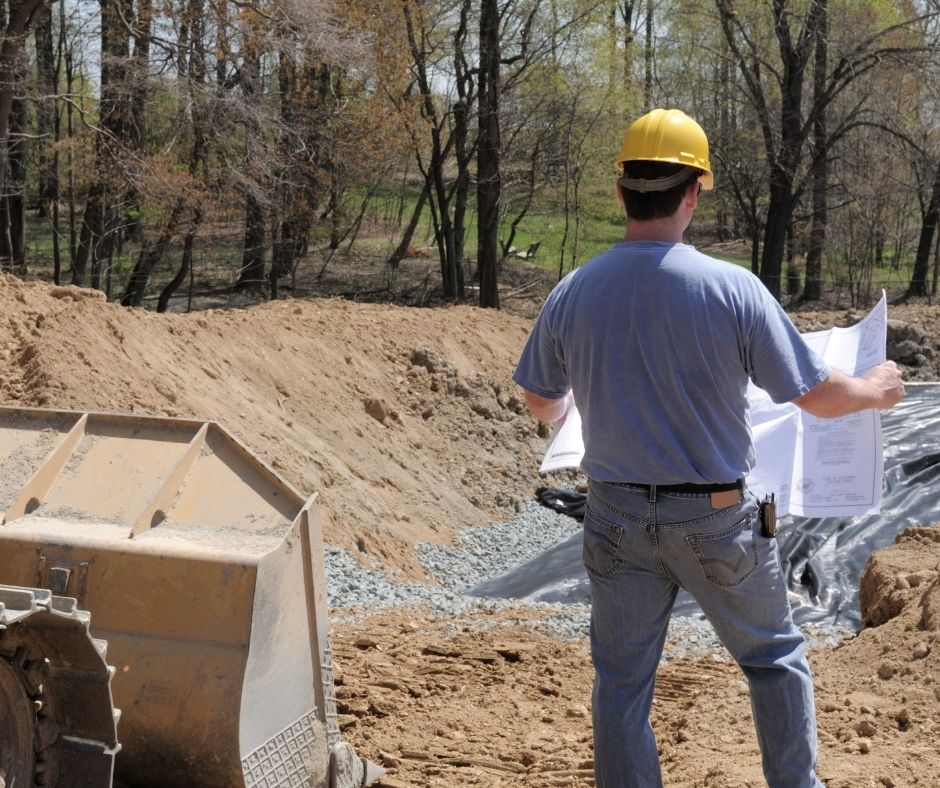
Understanding the Crucial Role of Building Certifiers in Construction Projects
The inspections carried out by building certifiers are essential for the successful completion of any construction project. This process ensures that all building activities comply with the relevant government regulations. Their assessments are crucial in determining whether a property meets the necessary legal standards.
Building certifiers are responsible for ensuring that every aspect of construction adheres to the regulations established by local, state, or federal authorities. Compliance with these regulations is not merely recommended; it is a legal obligation.
In Queensland, certifiers have the authority to issue building permits for construction projects, carry out essential inspections, and provide official documentation, including inspection certificates. To delve deeper into the fundamental responsibilities of a building certifier, please continue reading.
Key Responsibilities of a Building Certifier
- Assess and approve plans for new or modified structures;
- Conduct inspections at key stages of construction;
- Issue inspection certificates to the building owner following evaluations;
- Provide enforcement notices for non-compliant building work when required;
- Grant final certification to confirm that a building is ready for occupancy.
It is important to clarify that building certifiers are NOT responsible for supervising construction sites. They do not evaluate the quality of workmanship or ensure that builders fulfil contractual obligations with homeowners. If an inspection reveals that construction has not been carried out according to the approved plans, the certifier must take appropriate measures to rectify the situation and ensure compliance with legal standards.

The responsibilities of a certifier do not encompass the verification of compliance with building warranties or insurance requirements. Their main focus remains on the approval, inspection, and certification of building works.
Whether affiliated with a local council or part of a private firm like A1 Certifiers, all building certifiers in Queensland must possess a licence from the Queensland Building and Construction Commission (QBCC). They must also be registered with relevant accrediting organisations, such as the Australian Institute of Building Surveyors (AIBS) or the Royal Institute of Chartered Surveyors.
Additional Duties of Building Certifiers
To conducting inspections, certifiers have several other important responsibilities:
- Issue inspection certificates to builders following evaluations of their work;
- Provide final certificates that allow for the occupancy of the building;
- Dispatch enforcement notices when necessary; inspect construction work at various stages;
- Approve plans for new constructions, including additions, extensions, or modifications.
Thorough Building and Pest Inspections Conducted by Building Inspectors
A building and pest inspection entails a meticulous visual assessment of a property’s current condition, benchmarked against similar properties of comparable age, construction quality, and condition. This evaluation is performed by a qualified building inspector in accordance with Australian Standards. The resulting report highlights the quality of workmanship and overall standards of the building. Key focus areas include:
- Verification of completion to an accepted satisfactory standard;
- Identification of poor workmanship, including the use of inappropriate materials or unfinished tasks;
- Non-structural defects and conditions that could lead to future structural problems.
Building inspections can uncover hidden issues, such as pest infestations like termites and damage resulting from unlicensed DIY efforts. These inspections are crucial for identifying potential safety hazards, ultimately safeguarding lives.
Common Scenarios Requiring the Expertise of a Building Inspector
- Pre-purchase inspections for prospective home buyers;
- Inspections conducted during the construction process;
- Building handover inspections upon project completion;
- Inspections covered under warranty provisions.
Building inspectors meticulously document visible defects, evaluate their severity, and recommend corrective actions within a specified timeframe.
A building inspection can serve as a warranty for your new construction during the first twelve months, enabling you to rectify any mistakes made by contractors throughout the building process. This provides peace of mind and equips you with essential information for making informed property decisions.
Expert Building Certifiers Available in Brisbane
A1 Certifiers are seasoned private certifiers based in Brisbane, ready to assist you with the submission and approval of your building plans from the local council. They ensure that your new home construction or renovation aligns with the approved plans and adheres to all relevant requirements under building legislation and the national construction code. Contact them today for expert guidance as you embark on your building journey.
Original Article First Published At: How Building Certifiers And Building Inspectors Differ
The Article: Building Certifiers Vs Building Inspectors: Key Differences first appeared on https://writebuff.com
The post Building Certifiers: Understanding Key Differences With Inspectors appeared first on Limits Of Strategy.
The Article Building Certifiers: Key Differences From Inspectors Explained found first on https://electroquench.com