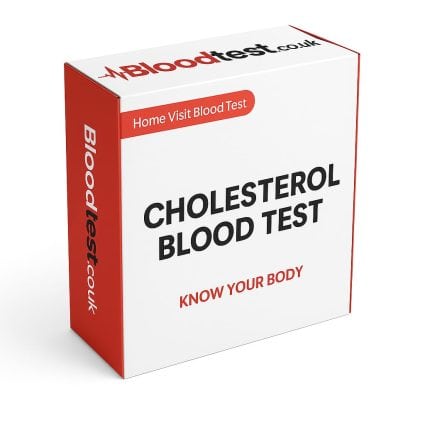
Explore the Vital Role of Cholesterol Testing for Residents of Newark-on-Trent
Recognising the Critical Need for Regular Cholesterol Evaluations
Private Cholesterol Blood Test in Newark-on-Trent: Regular cholesterol testing is a crucial component of health management for those living in Newark-on-Trent. As heart disease rates continue to rise, consistently monitoring cholesterol levels stands out as a key practice that could save lives. This essential test is instrumental in identifying individuals who may be at risk for serious cardiovascular complications before they develop into more significant health concerns.

Comprehending the significance of cholesterol levels, particularly <a href="https://limitsofstrategy.com/ldl-hdl-and-triglycerides-essential-for-heart-health/">LDL</a> (low-density lipoprotein) and HDL (high-density lipoprotein), is essential for preserving heart health. For Newark-on-Trent residents, regular testing not only provides peace of mind but also fosters a proactive approach to enhancing their health outcomes.
Furthermore, local healthcare trends reveal a strong relationship between frequent cholesterol screening and improved community health results. Early detection of abnormal cholesterol levels permits timely lifestyle changes or medical interventions. This proactive approach not only reduces health risks but also promotes a culture of wellness, encouraging individuals to adopt healthier habits within the community.
What Is the Recommended Frequency for Cholesterol Testing?
The recommended frequency for cholesterol testing is contingent upon various factors such as age, family history, and existing health conditions. Health authorities generally suggest that adults aged 40 and above should have their cholesterol levels assessed every 4 to 6 years, while younger individuals may only require testing every five years unless they have specific risk factors. Those with a family history of heart disease or diabetes should consult their healthcare provider regarding the necessity for more frequent testing.
In Newark-on-Trent, tailored health initiatives may propose personalised testing schedules based on community health data and individual assessments. Being informed about your testing routine is crucial, as it aligns with national health recommendations while addressing local health issues. Regular evaluations enable timely intervention and effective management of cholesterol levels.
Why Are Local Testing Facilities Beneficial for Community Residents?
Access to local testing facilities in Newark-on-Trent presents significant advantages for residents. One major benefit is the convenience of having nearby clinics and hospitals, which simplifies the scheduling process and reduces travel burdens, making it easier to incorporate health check-ups into daily life. Additionally, prompt turnaround times—often within one to two days—allow for immediate action if any abnormalities are detected.
Local facilities typically offer a comprehensive range of services tailored to meet community needs, including educational resources centred on cholesterol management and heart health. Furthermore, these centres frequently lead health initiatives that promote a shared responsibility for health management. Residents can engage in workshops, screenings, and support groups that educate them about lifestyle changes, thereby contributing to an overall healthier community.
How Can You Effectively Understand Your Cholesterol Levels and Test Results?
Grasping your cholesterol levels is vital for making informed health decisions. Cholesterol is usually quantified in milligrams per decilitre (mg/dL), with ideal total cholesterol levels falling below 200 mg/dL. Specifically, LDL, often termed “bad cholesterol,” should remain below 100 mg/dL, while HDL, known as “good cholesterol,” should be at least 60 mg/dL or higher.
After obtaining your results, it is imperative to discuss them with a healthcare professional for accurate interpretation of the numbers and to receive personalised guidance. For instance, elevated LDL levels may require dietary adjustments, increased physical activity, or even medication. Understanding these figures and their implications can significantly impact your health journey in Newark-on-Trent, helping you to set health goals and take actionable steps towards achieving them.
Insights from Health Professionals on Cholesterol Blood Testing for Newark-on-Trent Residents

What Do Experts Recommend for Managing Cholesterol Levels?
Cardiology specialists consistently emphasise the need to comprehend cholesterol levels for effective heart health management. Healthcare professionals in Newark-on-Trent have identified a troubling trend of rising cholesterol-related issues among younger individuals, underscoring the pressing necessity for education and preventive measures. Local healthcare providers advocate for routine testing to empower residents to take control of their health.
Real-world examples illustrate how local clinics have successfully informed patients about the importance of managing cholesterol levels. Awareness initiatives have led to increased testing rates and a deeper understanding of cholesterol's impact on overall health. Patients who commit to regular testing frequently report better management of both their weight and cholesterol levels, as they become more engaged in their health outcomes.
How Can You Accurately Interpret Your Cholesterol Test Results?
Interpreting cholesterol test results might seem intimidating at first; however, it becomes more manageable with guidance from a healthcare professional. After receiving your results, the initial step is to identify your total cholesterol, LDL, HDL, and triglyceride levels. It is essential to recognise that high total cholesterol levels, particularly due to elevated LDL, can significantly heighten the risk of heart disease.
Experts recommend a systematic method for interpreting these results: begin by comparing your figures against the recommended ranges, then contemplate your overall health and lifestyle factors. For instance, if your LDL levels are elevated, assess your diet and physical activity. Consulting healthcare professionals can provide clarity and personalised advice regarding lifestyle changes or medications that may be necessary to improve cholesterol levels.
What Are the Latest Innovations in Cholesterol Testing Technologies?
The realm of cholesterol testing is continually advancing, with innovative technologies enhancing both accuracy and efficiency. Recent breakthroughs include fingerstick testing methods, which facilitate faster, less invasive sample collection. These cutting-edge innovations can yield results within minutes, enabling patients in Newark-on-Trent to receive immediate feedback regarding their cholesterol status.
Additionally, laboratory advancements such as sophisticated lipid profiling and genetic testing now provide deeper insights into an individual's cholesterol metabolism and potential hereditary concerns. These developments not only improve testing accuracy but also empower healthcare providers to devise personalised treatment plans based on a patient’s genetic predispositions and lifestyle choices. Residents of Newark-on-Trent stand to benefit immensely from these advancements, allowing for more effective health management strategies.
What Is the Recommended Frequency for Cholesterol Testing?
Experts propose that regular cholesterol testing intervals should be customised according to individual risk factors and age. For adults aged over 40, testing every 4 to 6 years is generally advisable, while those with heightened risk factors, such as a family history of heart disease or diabetes, may necessitate more frequent evaluations.
In Newark-on-Trent, local healthcare practitioners encourage patients to discuss their personal health profiles with their GP to ascertain the most appropriate testing schedule. Regular assessments enable monitoring of changes in cholesterol levels over time, empowering healthcare providers to execute timely interventions that can significantly improve heart health. Being aware of your testing routine nurtures a proactive approach to health management.
Steps to Prepare for Your Cholesterol Blood Test in Newark-on-Trent
What Preparatory Steps Should You Take Before Your Cholesterol Test?
Preparing adequately for a cholesterol blood test is crucial to ensure accurate results. By following straightforward guidelines, you can significantly influence the reliability of your test outcomes. Essential preparation steps include:
- Fast for a duration of at least 9 to 12 hours prior to the test to guarantee accurate lipid levels.
- Avoid consuming fatty foods and alcohol for at least 24 hours leading up to the test.
- Stay well-hydrated by drinking plenty of water.
- Consult your healthcare provider about any medications you are currently taking, as some may need to be temporarily ceased.
- Maintain a consistent diet in the weeks preceding the test, as drastic changes can skew the results.
These preparations are essential for ensuring that the cholesterol levels reflected in your test accurately represent your usual health status. Implementing these minor adjustments can lead to more reliable results, enabling healthcare providers to deliver an accurate evaluation of your cholesterol health.
Where Can Newark-on-Trent Residents Access Cholesterol Testing Services?
Residents of Newark-on-Trent have access to a plethora of healthcare facilities that provide cholesterol testing services. Local clinics, hospitals, and GP surgeries offer convenient testing options, allowing the community to efficiently manage their heart health. Major healthcare providers in the area often conduct comprehensive health assessments that include cholesterol testing alongside other critical health indicators.
Moreover, individuals can take advantage of community health initiatives offering free or low-cost screenings, making it easier to prioritise cardiovascular health. Utilising these readily available testing facilities not only aids in personal health management but also enhances the overall health landscape of Newark-on-Trent.
What Should You Expect During the Cholesterol Testing Process?
The cholesterol blood test is a straightforward and rapid procedure, typically requiring only a simple blood draw. Upon arrival at the testing facility, you will check in and may need to provide identification and health information. A healthcare professional will prepare for the blood draw, which usually occurs from a vein in your arm.
While the prospect of needles may be daunting, the procedure is quick, often taking less than five minutes. After your blood sample is collected, you may be asked to remain briefly to ensure that you feel well before departing. Most facilities provide results within a few days, allowing patients to take immediate action based on their cholesterol levels.
What Are the Key Advantages of Regular Cholesterol Testing?
How Does Routine Testing Aid in Preventing Heart Disease?
Regular cholesterol testing is fundamental for preventing heart disease by enabling the early identification of elevated cholesterol levels. By recognising high cholesterol levels before they reach critical thresholds, individuals can implement necessary lifestyle changes or medical interventions to mitigate associated risks. Research indicates that effective cholesterol management can significantly reduce the chances of heart attacks, strokes, and other cardiovascular diseases.
For Newark-on-Trent residents, routine testing fosters a culture of heart health awareness. It encourages individuals to take charge of their well-being by adopting healthier practices, such as improved dietary choices and increased physical activity. These preventive measures not only enhance individual health but also lower healthcare expenses and improve the quality of life within the community.
Can Regular Cholesterol Testing Enhance Your Overall Health?
Monitoring cholesterol levels can greatly improve overall health management. Regular testing keeps individuals informed about their cardiovascular health and prompts necessary lifestyle adjustments. For instance, discovering elevated cholesterol levels might inspire someone to modify their diet, boost physical activity, or seek support for stress management.
Additionally, tracking cholesterol levels can facilitate meaningful discussions with healthcare providers, resulting in more tailored health plans that consider every aspect of a patient’s lifestyle. This comprehensive approach to health management fosters empowerment and accountability, which can be transformative for individuals in Newark-on-Trent.
What Lifestyle Changes Can Regular Testing Encourage?
Understanding one’s cholesterol levels often motivates lifestyle changes that enhance health. Individuals receiving test results indicating high cholesterol may feel inspired to reassess their dietary habits, focusing on reducing saturated fats and increasing their consumption of heart-healthy foods such as fruits, vegetables, and whole grains.
Moreover, awareness of one’s cholesterol levels can lead to increased physical activity, as regular exercise is essential for maintaining healthy cholesterol levels. Additionally, individuals may seek methods to manage stress, participate in community health initiatives, or join support groups that promote positive lifestyle changes. In Newark-on-Trent, these lifestyle adjustments extend beyond personal health choices; they contribute to a collective effort to cultivate a healthier community.
Research-Backed Benefits of Cholesterol Blood Testing in Newark-on-Trent
What Does Research Indicate About Early Detection?
Research consistently highlights the significance of early detection of elevated cholesterol levels in diminishing heart disease risk. Studies reveal that individuals who are aware of their cholesterol status are more likely to take proactive measures to manage and treat it, thereby significantly decreasing their chances of developing cardiovascular disease.
In Newark-on-Trent, local healthcare initiatives are grounded in research advocating for regular cholesterol testing as standard practice. Data collected from these programmes emphasise the positive impact of early testing, often leading to improved health outcomes for the community. As awareness increases, more residents are encouraged to adopt preventive health strategies, fostering a healthier environment overall.
How Effective Are Community Testing Programmes?
Community testing programmes in Newark-on-Trent have proven successful in raising awareness and enhancing health outcomes among residents. Initiatives centred around cholesterol testing have resulted in increased participation rates, indicating a growing awareness of the importance of heart health.
By providing free or low-cost testing, these programmes have effectively targeted at-risk populations, ensuring that essential health services remain accessible to all residents. Feedback from participants frequently highlights a greater understanding of cholesterol and its health implications, demonstrating the effectiveness of these localised efforts in promoting health literacy and preventive care.
What Long-Term Health Benefits Can Regular Testing Provide?
Engaging in regular cholesterol testing offers numerous long-term health advantages, particularly in reducing the risk of cardiovascular events. Individuals who consistently monitor their cholesterol levels are more likely to adopt healthier lifestyles, leading to lower rates of heart disease and stroke.
Beyond mitigating immediate health risks, routine testing fosters a culture of health awareness that benefits the community as a whole. As more residents implement management practices, collective improvements in cardiovascular health emerge, contributing to a higher quality of life and extended life expectancy for the Newark-on-Trent population.
How Can You Sustain Healthy Cholesterol Levels?
Maintaining healthy cholesterol levels necessitates a multifaceted strategy that includes a balanced diet, regular exercise, and consistent monitoring. Key strategies encompass:
- Incorporating a diverse range of fruits, vegetables, and whole grains into your daily diet.
- Limiting saturated and trans fats typically found in processed foods.
- Engaging in at least 150 minutes of moderate aerobic exercise weekly.
- Ceasing smoking and moderating alcohol intake.
- Regularly monitoring your cholesterol levels through consistent testing.
By implementing these strategies, residents of Newark-on-Trent can significantly enhance their cholesterol levels and overall heart health. Committing to consistent lifestyle choices, coupled with regular testing, fosters a comprehensive approach to maintaining optimal cholesterol levels.
Where Can You Access Support and Resources in Newark-on-Trent?
Newark-on-Trent offers a variety of resources and support groups to assist individuals in effectively managing their cholesterol levels. Community health organisations, dietitians, and local fitness centres provide valuable educational materials and programmes to promote heart health.
A list of local resources includes:
- The Newark Community Health Centre, which offers health screenings and educational workshops.
- Local gyms that provide heart-health programmes and personal training focused on cardiovascular fitness.
- Support groups for individuals managing high cholesterol, fostering shared experiences and healthy habits.
- Nutrition workshops conducted by local dietitians concentrating on heart-healthy eating.
These resources empower residents to take charge of their health, creating a supportive environment for effective cholesterol management.
What Actions Should You Take Following Your Cholesterol Test?
Upon receiving your cholesterol test results, it is crucial to consult a healthcare provider to discuss the implications and determine the next steps. Understanding your cholesterol levels is vital, but knowing how to respond is equally important. A healthcare professional can assist in interpreting your results, discussing necessary dietary and lifestyle modifications, and exploring medication options if required.
These consultations also provide an opportunity to review your overall health profile, including additional risk factors such as blood pressure and family history. Engaging in this dialogue can lead to a comprehensive, personalised health plan tailored to your needs, helping you to take meaningful steps to improve your health in Newark-on-Trent.
How Frequently Should You Schedule Cholesterol Tests in Newark-on-Trent?
Regular cholesterol testing is a fundamental aspect of effective health management, and the frequency of these tests should be personalised to individual needs. For most adults, testing every 4 to 6 years is the general recommendation; however, those with risk factors may require more frequent assessments.
In Newark-on-Trent, discussions with local healthcare providers can offer guidance on personalised testing schedules. Proactively testing for cholesterol enables early identification and management of potential health concerns, assisting residents in prioritising their heart health throughout their lives.
Commonly Asked Questions Regarding Cholesterol Testing
Why Is Cholesterol Testing Important?
Cholesterol testing is vital as it identifies levels that may predispose individuals to heart disease. Early detection facilitates lifestyle changes or medical interventions to effectively manage and reduce risks.
What Strategies Can I Implement to Lower My Cholesterol Levels?
To lower cholesterol levels, focus on adhering to a heart-healthy diet, engaging in regular physical activity, quitting smoking, and managing stress effectively. Engaging with community health resources can also provide valuable support.
What Constitutes Normal Cholesterol Levels?
Normal cholesterol levels are typically defined as below 200 mg/dL for total cholesterol, below 100 mg/dL for LDL, and 60 mg/dL or higher for HDL.
Can Cholesterol Levels Fluctuate Rapidly?
Yes, cholesterol levels can change in response to dietary intake, physical activity, and overall lifestyle adjustments. Regular testing is essential to monitor these variations over time.
What Steps Should I Take If My Cholesterol Is Elevated?
If you have high cholesterol, your healthcare provider will recommend lifestyle changes, dietary adjustments, or medications to help lower your levels and reduce the risk of heart disease.
How Often Should I Schedule Cholesterol Tests?
Typically, adults should undergo testing every 4 to 6 years; however, those with risk factors may require more frequent evaluations. Consult your healthcare provider for tailored recommendations.
Which Foods Can Effectively Lower Cholesterol?
Foods rich in soluble fibre, such as oats, beans, lentils, fruits, and vegetables, can help lower cholesterol levels. Fatty fish, abundant in omega-3 fatty acids, also contribute positively to heart health.
Is the Cholesterol Testing Process Painful?
Most individuals find cholesterol testing relatively painless, as it typically involves a straightforward blood draw from a vein in the arm.
Where Can I Find Cholesterol Testing Services in Newark-on-Trent?
Cholesterol testing is readily available at local clinics, hospitals, and GP surgeries in Newark-on-Trent. Many facilities offer convenient hours and prompt results.
What Should I Do After Receiving My Test Results?
After receiving test results, consult your healthcare provider to discuss the meaning of the numbers and explore the next steps to manage cholesterol levels effectively.

Connect with us on Facebook!
This Article Was First Found On https://bloodtest.co.uk
The Article Cholesterol Blood Test Guide for Newark-on-Trent Residents Was Found On https://limitsofstrategy.com