Establishing a Safe and Comforting Space for Gentle Pet Grooming
Assessing Your Home for Maximum Pet Safety
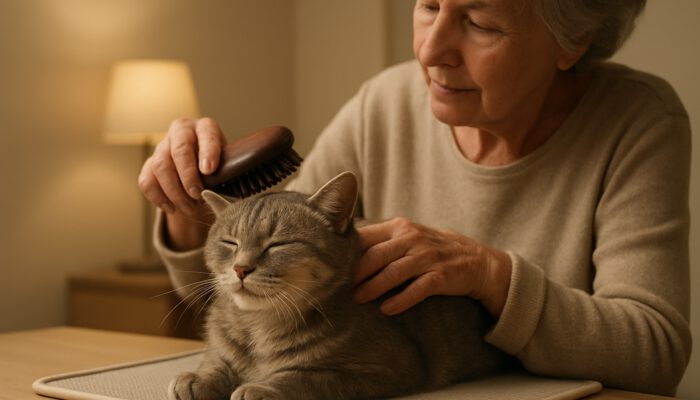
Creating a serene and supportive environment is essential for grooming delicate pets. Non-slip mats are crucial for preventing slips and falls, providing a stable surface for your pet. Soft lighting offers a calming atmosphere, which can significantly alleviate the anxiety of nervous animals. By setting aside a quiet, distraction-free space, both pet and owner can focus on gentle handling techniques that promote comfort and mobility. This thoughtfully designed environment not only reduces stress but also nurtures a positive grooming experience for sensitive pets.
To enhance safety further, consider the height of your grooming surfaces. A low grooming table is advisable to prevent pets from jumping off and risking injury. Keeping grooming tools organised and within easy reach avoids unnecessary movements, resulting in a smoother and more controlled grooming session. The primary goal is to create a sanctuary where fragile pets feel secure and well cared for.
Choosing Soothing Scents and Gentle Sounds
Opting for mild, pet-safe fragrances can significantly improve the grooming experience for sensitive animals. Scents such as lavender and <a href="https://elgatoencasa.com/non-toxic-cleaning-supplies-for-pets-ultimate-guide/">chamomile</a> are well-known for their calming properties and can help to reduce anxiety. Using essential oil diffusers or pet-friendly scented sprays can create a peaceful atmosphere that encourages relaxation during grooming sessions.
Playing soft background sounds, such as gentle music or nature sounds, can further enhance the soothing environment. These calming audio elements help to mask unexpected noises that might startle anxious pets, contributing to their overall comfort. By carefully selecting both scents and sounds, pet owners can cultivate a tranquil setting that promotes cooperation and minimises stress, transforming grooming into a more pleasant routine for delicate animals.
What Temperature Is Best for Comfort During Grooming Sessions?
Maintaining a warm yet comfortable room temperature is critical when grooming fragile pets. Cold environments can cause discomfort, especially for pets with limited mobility or pre-existing health issues. The ideal temperature range is between 70-75°F (21-24°C), ensuring that pets remain cosy and relaxed throughout the grooming process.
Gradually adjusting the temperature is vital to avoid shocking the pet’s system. For instance, if the room feels cool, warming it slowly allows pets to acclimatise comfortably. A stable environment simplifies fur management and skin assessments, making grooming sessions both efficient and enjoyable for pets requiring extra care due to their fragility.
Expert Advice on Customising Grooming for Sensitive Pets
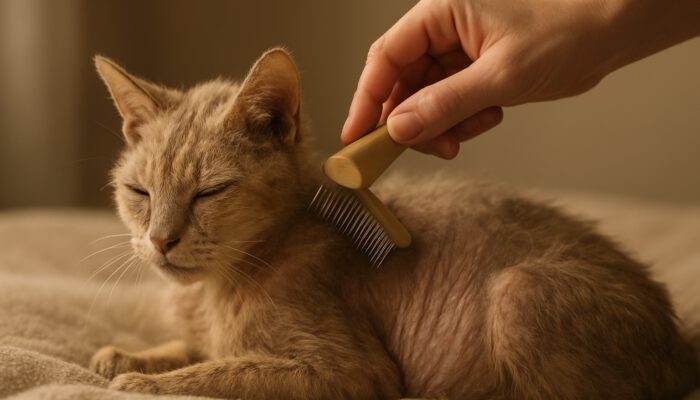
How to Choose Appropriate Grooming Tools for Delicate Pets
Selecting the appropriate grooming tools can greatly enhance the grooming experience for fragile animals. Lightweight brushes designed for delicate coats are particularly effective, as they reduce physical strain on both the pet and the groomer. Choose tools with soft bristles that can gently detangle fur without inflicting pain or discomfort.
Gradually introducing grooming tools can help build trust between the pet and owner. Start with brief sessions to allow the pet to acclimatise to the sensation of the brush. As the pet becomes more comfortable, you can slowly increase the duration of each grooming session. This approach mitigates discomfort and transforms grooming into a more positive experience for pets that may be apprehensive about handling.
Why Is It Important to Evaluate Health Indicators Before Grooming?
Assessing a pet’s health indicators prior to grooming is essential. Recognising signs of fatigue, such as heavy panting or reluctance to move, allows for tailoring the grooming session to suit the pet’s condition. For example, if a pet appears tired, shortening the grooming duration or scheduling more frequent breaks may be advisable.
Real-life examples emphasise the significance of this practice. A frail dog exhibiting signs of fatigue should not undergo a full grooming session. Instead, focus on one area at a time, ensuring the pet’s comfort and well-being remain the top priority. Observing individual reactions over time enables better adjustments to grooming techniques that cater to each pet’s specific needs.
What Are the Benefits of Monitoring Vital Signs During Grooming?
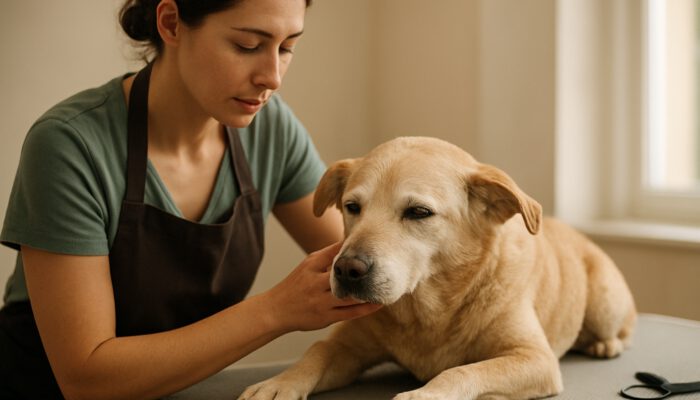
Monitoring vital signs during grooming sessions enhances both safety and effectiveness. Here are some key advantages of this practice:
- Timely breaks can prevent fatigue.
- Tracking breathing patterns helps assess stress levels.
- Evaluating posture indicates comfort or discomfort.
- Regular checks can reveal underlying health issues.
By being attentive to these vital signs, pet owners can create a more supportive grooming routine that respects the unique needs of fragile animals. This proactive approach ensures grooming becomes a positive experience rather than a source of stress.
How to Identify the Ideal Grooming Frequency for Fragile Pets?
Establishing Appropriate Grooming Intervals
Determining the correct grooming frequency for frail pets is vital for their overall health. Regular assessments of coat condition can guide scheduling, preventing matting while considering the pet’s recovery needs. For instance, pets with longer fur may require more frequent grooming to avoid tangles, whereas shorter-haired pets might thrive with less frequent sessions.
Striking a balance between cleanliness and the pet’s energy levels is essential. Overwhelming a fragile pet with excessive grooming can lead to stress and fatigue. Pet owners should closely monitor their pet’s reactions and adjust grooming intervals accordingly, ensuring that each session is manageable and comfortable for the pet.
What Signs Indicate a Pet Is Prepared for Grooming?
Indicators of readiness for grooming can differ among fragile pets. Key signals include energy levels and cues related to skin health. For example, if a pet appears alert and engaged, it might be the perfect time for grooming. Conversely, if a pet seems lethargic or shows signs of irritation, it may be wise to delay the grooming session.
Careful observation of the pet’s behaviour is crucial for making informed decisions. If a pet exhibits discomfort or distress, it is vital to respect those signals and adjust the grooming schedule accordingly. This thoughtful consideration helps prevent over-grooming, which could lead to further irritation, ensuring that the grooming process remains a positive experience.
How Do Seasonal Changes Impact Grooming Needs?
Seasonal variations can significantly influence grooming requirements for frail pets. For example, during shedding seasons like spring and autumn, pets may need more frequent grooming to manage excess fur. This proactive strategy helps prevent matting and maintains coat health, especially for animals with reduced stamina.
Flexibility in planning enables pet owners to adjust grooming routines based on shedding patterns. For instance, increasing the frequency of grooming sessions during heavy shedding periods can ease the process for fragile pets. This adaptability ensures that grooming remains a supportive activity rather than a burdensome chore.
Why Is It Essential to Evaluate Overall Health Status Before Grooming?
Routine veterinary check-ups are crucial for determining the best grooming frequency for frail pets. These visits provide valuable insights into how grooming may impact overall health. For example, if a veterinarian identifies skin issues or mobility challenges, it may become necessary to adjust grooming schedules to prioritise the pet’s comfort and well-being.
By aligning grooming plans with veterinary recommendations, pet owners can ensure their strategies meet their pets’ evolving needs. This collaboration creates a holistic support system that enhances the quality of care, particularly for animals facing age-related vulnerabilities or various sensitivities.
How to Document the Outcomes of Grooming Sessions
Keeping a record of reactions following each grooming session can reveal significant patterns in tolerance and recovery times. Maintaining detailed records helps pet owners identify what works best for their delicate companions. For example, noting how a pet responds to specific tools or techniques can inform future grooming strategies.
This data-driven approach enhances decision-making, allowing owners to optimise grooming intervals without causing undue fatigue or discomfort. Over time, tracking these results fosters a personalised grooming routine that respects each fragile pet’s unique needs, ensuring their comfort and well-being throughout every session.
Research-Based Benefits of Grooming Adaptations for Sensitive Pets
Effective Methods for Coat Maintenance
Proper coat maintenance can significantly improve the health and comfort of fragile pets. Targeted trims can reduce shedding and promote better hygiene, which is especially important for pets with limited mobility. For instance, regular trims of long hair can prevent tangles and mats that could lead to discomfort or skin issues.
Keeping the coat clean enhances circulation and overall skin health. By focusing on gentle grooming methods, pet owners can minimise the physical demands placed on frail animals. This approach supports hygiene while contributing to the pet’s comfort and happiness during grooming.
Recognising Skin Benefits from Grooming Adjustments
Modifying grooming techniques can yield significant skin benefits for fragile pets. For example, using specialised hydration products can reduce dryness and enhance overall skin condition. Gentle methods, such as using soft brushes and applying minimal pressure, help prevent irritation and discomfort during grooming.
Regular grooming sessions emphasising skin health can also facilitate early detection of potential issues. For instance, spotting dry patches or redness can prompt timely veterinary consultations, ensuring that any underlying conditions are addressed swiftly. This proactive approach elevates the overall grooming experience and contributes to the pet’s long-term health.
What Are the Benefits of Enhancing Circulation Through Grooming?
Incorporating gentle massage techniques while grooming can improve circulation for fragile pets. Here are some notable benefits:
- Improved blood flow supports overall health.
- Enhanced mobility aids daily activities.
- Reduction of muscle tension and stiffness.
- Promotion of relaxation during grooming sessions.
These advantages highlight the importance of a thoughtful grooming strategy that prioritises the well-being of fragile pets. By focusing on low-impact handling techniques, pet owners can ensure that grooming is both necessary and enjoyable for their beloved companions.
What Precautions Should Be Taken with Sensitive Areas During Grooming?
Identifying Vulnerable Areas in Fragile Pets
Recognising sensitive zones on frail pets is crucial for ensuring a safe grooming experience. Areas around joints, ears, and delicate skin can be particularly susceptible to discomfort. A careful examination allows for the avoidance of pressure points during grooming, resulting in a more pleasant experience.
Using soft tools specifically designed for sensitive areas can greatly improve the grooming process. For instance, gentle ear cleaners or specialised brushes can help maintain hygiene without causing pain or distress. This attentive approach to vulnerable zones ensures that grooming sessions remain positive and stress-free for fragile pets.
How to Effectively Use Protective Barriers During Grooming
Implementing protective barriers during grooming can enhance the safety of frail pets. Soft guards or mild towels can shield sensitive skin during washing, allowing for thorough yet gentle cleaning. This method respects the physical limitations of delicate animals while ensuring effective grooming.
Protective barriers can also prevent accidental nicks or scrapes that might occur during grooming. For example, wrapping a towel around delicate areas provides an extra layer of protection, allowing pet owners to groom with confidence. This careful practice promotes a more comfortable experience for pets with sensitive skin.
Why Is It Important to Monitor Reactions During Grooming?
Observing reactions during grooming sessions is essential for ensuring the comfort of fragile pets. Immediate responses, such as flinching or vocalising, can indicate discomfort or stress. By closely monitoring these cues, owners can adjust their grooming techniques as needed.
Minimising actions and focusing on the pet’s comfort levels is crucial. For instance, if a pet shows signs of unease, taking a break or switching to a different grooming tool can help alleviate stress. This attentive approach fosters a positive grooming environment that prioritises the well-being of fragile animals.
How Can Nutrition Improve Grooming Outcomes?
Selecting Beneficial Supplements for Delicate Pets
Incorporating omega-rich supplements into a frail pet’s diet can significantly enhance grooming results. Omega-3 and omega-6 fatty acids support healthy skin and coat, streamlining grooming tasks. For example, fish oil supplements can improve coat texture and reduce shedding, benefiting both the pet and the owner.
Consulting a veterinarian regarding suitable supplements is essential. Customising the diet to meet the specific needs of frail pets can lead to noticeable improvements in coat quality and overall health. This nutritional support complements grooming routines, ensuring that fragile pets receive the necessary care for optimal well-being.
What Are the Key Benefits of a Balanced Diet for Coat Health?
A well-rounded diet is vital for maintaining coat health in fragile pets. Here are some key benefits:
- Reduced breakage during brushing.
- Enhanced shine and texture of fur.
- Improved moisture retention in the skin.
- Stronger hair follicles for healthier growth.
These benefits underscore the importance of nutrition in supporting grooming outcomes. By prioritising a balanced diet, pet owners can enhance the effectiveness of their grooming routines, leading to healthier and happier pets.
How to Schedule Meals for Optimal Grooming Experiences
Timing meals away from grooming sessions can help prevent digestive upset in fragile pets. Ideally, feeding should occur at least an hour before grooming to ensure that the pet remains relaxed and cooperative. This practice reduces the likelihood of discomfort during grooming, resulting in a more pleasant experience.
Properly scheduling meals can help establish a routine that pets can adapt to over time. For instance, if grooming sessions are consistently arranged following meals, pets may learn to associate grooming with positive experiences, enhancing their cooperation during the process. This thoughtful strategy contributes to a smoother grooming routine for fragile animals.
Why Is Adequate Hydration Important for Healthy Skin and Coat?
Ensuring sufficient hydration is crucial for maintaining skin moisture and coat vitality in fragile pets. Providing fresh water daily promotes overall health and improves grooming effectiveness. A well-hydrated pet is less likely to suffer from dry skin or coat issues, which can complicate the grooming process.
Encouraging water intake can be achieved through various methods, such as offering wet food or adding water to dry kibble. Monitoring hydration levels ensures that pets remain comfortable during grooming sessions. This proactive approach contributes to a positive grooming experience, minimising discomfort for sensitive animals.
How to Increase Protein Intake for Healthier Coats
Integrating lean meats and eggs into daily meals can significantly boost protein intake for fragile pets. Protein is essential for strong keratin production, vital for healthy fur growth. By ensuring pets receive adequate protein, owners can promote stronger, healthier coats that require less maintenance during grooming sessions.
Consulting with a veterinarian about suitable protein sources is important. Tailoring the diet to meet the specific needs of fragile pets can lead to noticeable improvements in coat quality and overall health. This nutritional support complements grooming routines, ensuring that frail pets receive the necessary care for optimal well-being.
Promoting Long-Term Health Through Consistent Grooming Care
Tracking Progress Over Time
Consistently documenting changes in coat and skin condition is critical for monitoring the long-term health of fragile pets. Keeping a grooming journal allows pet owners to record observations, such as variations in coat texture or skin health. This information can guide future grooming adjustments, promoting sustained improvements in pet well-being.
Regular monitoring also aids in identifying patterns that may indicate health issues. For example, if a pet’s coat becomes increasingly dry or brittle, it may signal the need for dietary adjustments or a veterinary consultation. This proactive approach ensures that grooming remains a beneficial practice that supports the overall health of fragile pets.
Empowering Pet Owners with Grooming Knowledge
Educating pet owners on essential grooming techniques empowers them to provide consistent home care that complements professional services. Understanding gentle grooming methods builds confidence, enabling owners to feel more capable in managing their frail pets’ grooming needs.
Workshops or online resources can offer valuable insights into effective grooming practices. By equipping owners with the right skills, they can create a supportive environment for their pets, enhancing the overall grooming experience. This confidence translates into better care and stronger bonds between pets and their owners.
Integrating Grooming Plans with Veterinary Guidance
Aligning grooming strategies with veterinary advice ensures a comprehensive approach to pet care. Regular check-ups provide essential insights into a frail pet’s health status, allowing owners to modify grooming routines as necessary. For example, if a veterinarian recommends specific grooming techniques for a particular health condition, following this guidance can enhance the pet’s overall well-being.
Collaborating with veterinary professionals fosters a thorough support system that addresses the changing needs of fragile pets. This partnership ensures that grooming remains a positive practice, contributing beneficially to the overall health and happiness of pets requiring extra attention.
Frequently Asked Questions
What adjustments should be made for grooming fragile pets?
Adjustments for grooming fragile pets involve modifying techniques and tools to cater to their specific needs. This may include using lighter brushes, shortening grooming sessions, and creating a calming environment to alleviate stress and discomfort.
How often should fragile pets be groomed?
The frequency of grooming for fragile pets depends on their coat type and health condition. Regular evaluations can help determine ideal intervals, balancing cleanliness with the pet’s energy levels and comfort.
Which tools are best for grooming fragile pets?
Lightweight brushes with soft bristles are ideal for fragile pets. Tools designed for sensitive skin, like gentle combs and specialised clippers, can also help minimise discomfort during grooming.
How can I establish a calming environment for grooming?
To create a calming atmosphere, use non-slip mats, soft lighting, and soothing scents like <a href=”https://limitsofstrategy.com/lavender-for-family-sleep-a-uk-guide/”>lavender</a>. Playing gentle background music can also help to reduce anxiety during grooming sessions.
What signs indicate my pet is ready for grooming?
Signs of readiness may include alertness, eagerness to engage, and a calm demeanour. If a pet appears lethargic or distressed, it may be advisable to postpone grooming until they feel more comfortable.
How can nutrition contribute to my pet’s grooming needs?
A balanced diet rich in omega fatty acids and protein supports skin and coat health, simplifying grooming tasks. Adequate hydration is also essential for maintaining coat vitality and minimising discomfort.
What precautions should I take with sensitive areas?
Exercise caution around sensitive zones, such as joints and ears. Use soft tools and gentle techniques to avoid causing pain or discomfort during grooming.
How can I observe my pet’s reactions during grooming?
Monitoring your pet’s reactions involves observing their body language and sounds. Signs of discomfort, such as flinching or whining, indicate the need for adjustments in technique or breaks.
What are the benefits of regular grooming for fragile pets?
Frequent grooming helps maintain coat hygiene, promotes circulation, and facilitates early detection of skin issues. It also provides an opportunity for bonding between pet and owner.
How can I track my pet’s grooming progress?
Maintaining a grooming journal can assist in tracking changes in coat and skin conditions over time. Documenting observations allows for informed adjustments to grooming routines based on the pet’s specific needs.
Join our community on Facebook!
The Article Grooming Adjustments for Fragile Pets: Vital Tips First Published On https://elgatoencasa.com
The Article Frail Pets: Essential Grooming Tips for Their Care Was Found On https://limitsofstrategy.com
The Article Essential Grooming Tips for Frail Pets’ Care found first on https://electroquench.com