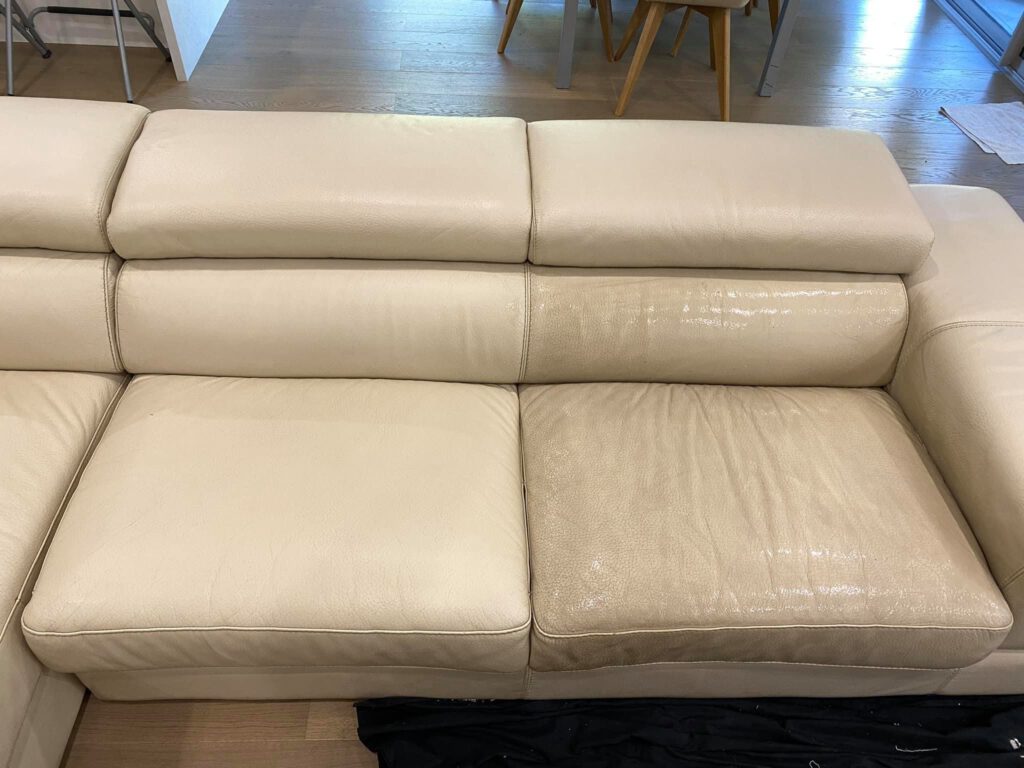
Leather is celebrated for its strength and longevity, but without proper care, it can develop unsightly cracks, fade in colour, and lose its natural gloss. Everyday substances such as body oils, sweat, food and drink spills, and dirt can accumulate on its surface over time. To maintain the leather’s suppleness and prolong its lifespan, regular leather couch cleaning, along with ongoing conditioning and protective treatments, is vital.
For more than 40 years, Wundaguard has been a trusted name in furniture care in Sydney, highly recommended by leading furniture retailers and upholstery specialists. This comprehensive guide provides step-by-step instructions on how to clean a leather couch effectively at home, highlights household products to avoid, and discusses when it may be beneficial to seek professional leather cleaning services.
- Begin with cleaning the leather, then condition it, and conclude with a protective treatment — each step plays a unique role in leather maintenance.
- Always opt for products specifically designed for leather, as typical household sprays, wipes, and oils can damage the finish.
- Wundaguard’s professional leather cleaning services start at $66 per seat.
Why Is Regular Cleaning Essential for Your Leather Couch?
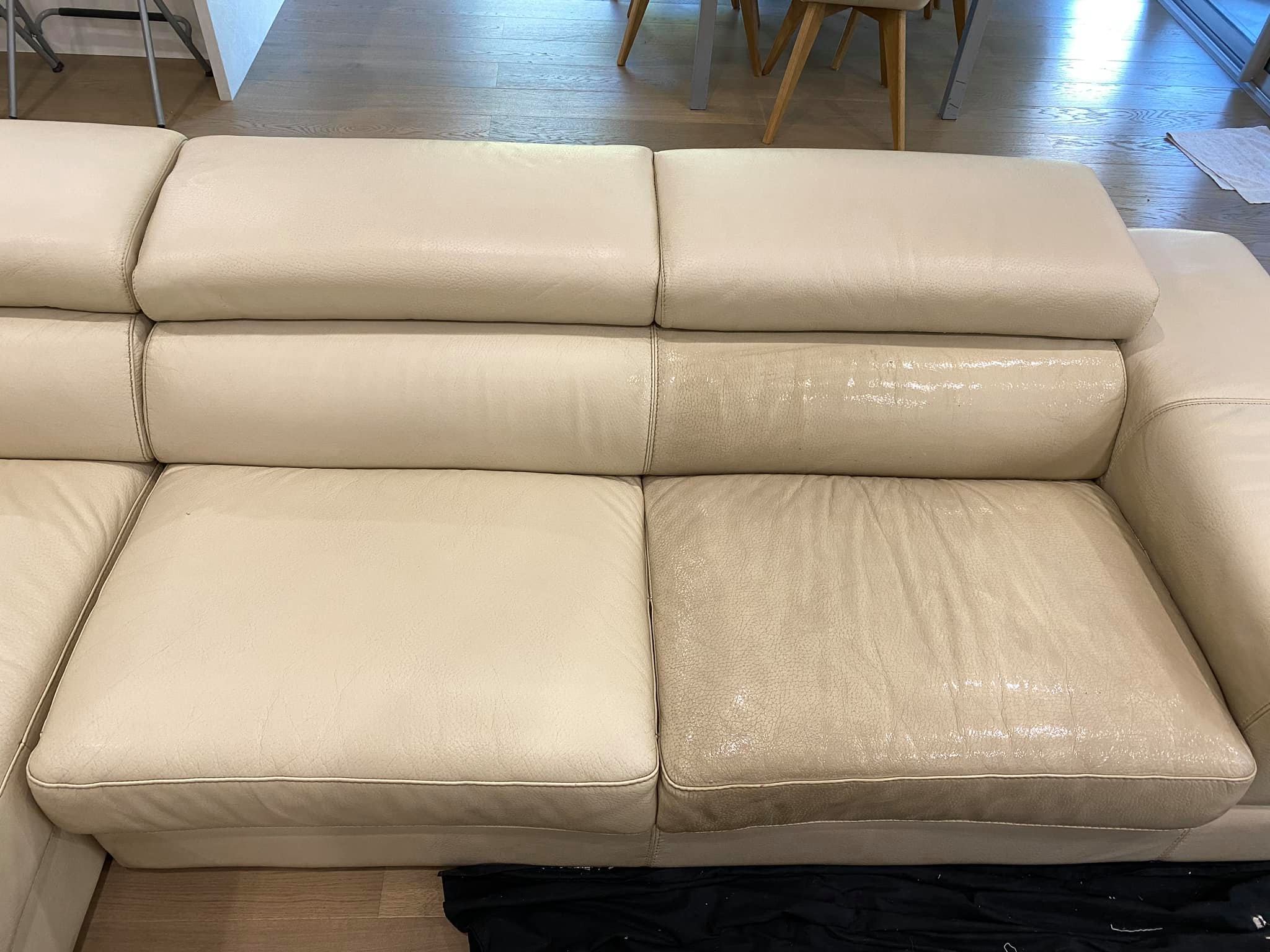
Although leather appears robust, it is actually porous. If neglected, it absorbs oils from skin and hair, as well as spills and dirt. This accumulation dulls the colour and can create unsightly dark patches, particularly in high-use areas like the arms and headrests of the sofa.
Regular cleaning is crucial to prevent this buildup from damaging the leather. Conditioning replenishes lost moisture, ensuring the leather remains soft and supple, rather than becoming dry and cracked. Applying a protective layer creates a barrier, allowing spills to sit on the surface long enough for effective blotting.
How Can You Effectively Clean a Leather Couch at Home? A Step-by-Step Guide
Before you begin, it is crucial to identify the type of leather your couch is made from. Wundaguard leather care products are specifically formulated for top-coated leather, which features a protective finish and is suitable for use on furniture, car interiors, shoes, and handbags. If you are uncertain whether your couch has a top coat or if it is classified as delicate aniline or semi-aniline leather, please contact us for guidance before attempting any treatments at home.
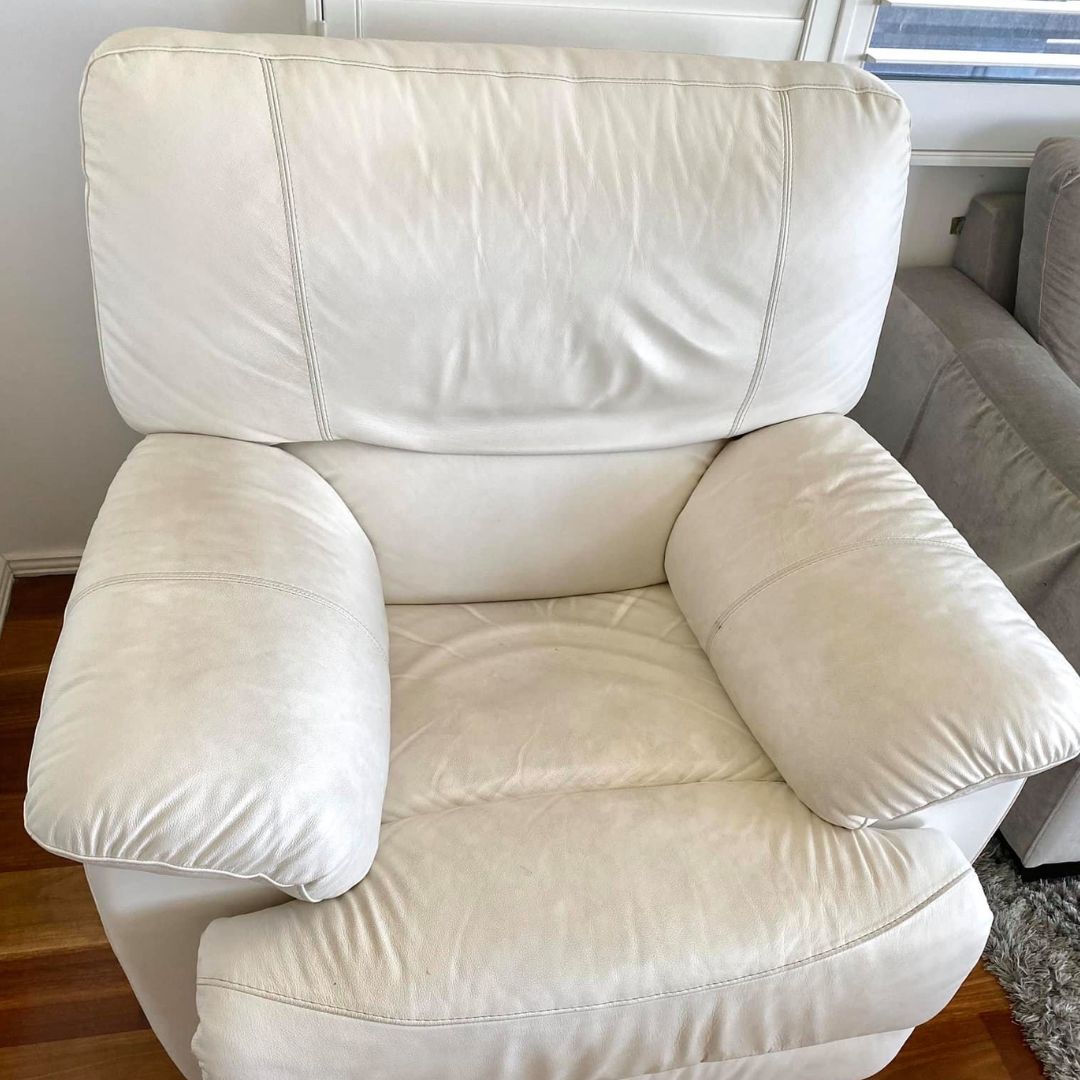
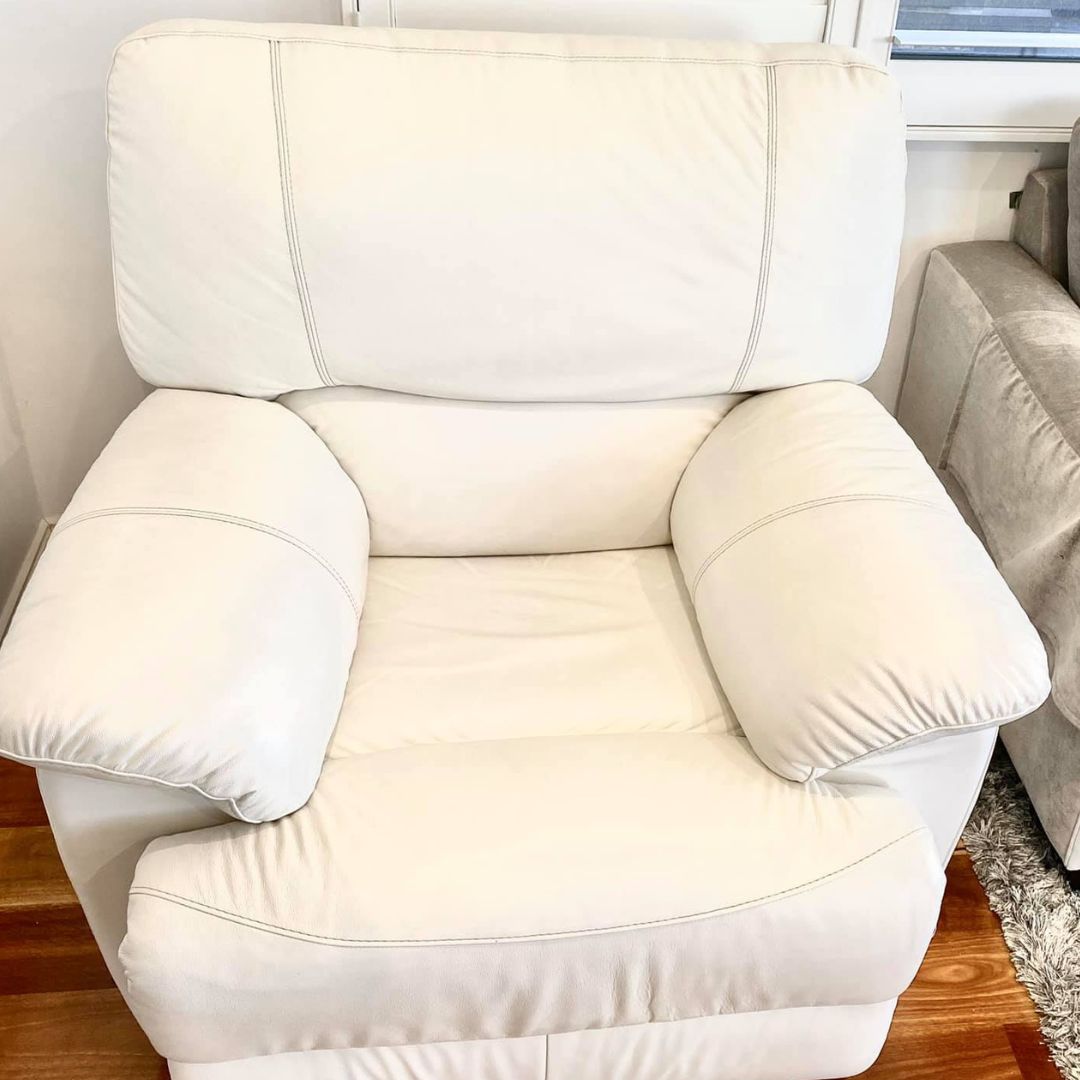
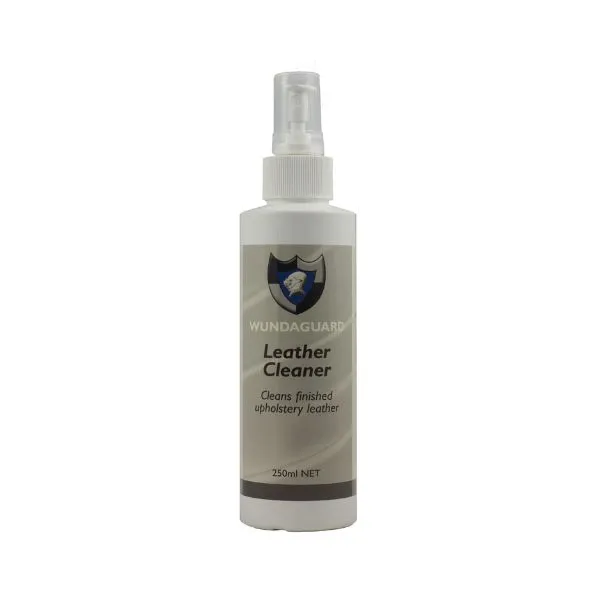
- Clean the leather. Use Wundaguard Leather Cleaner with a soft cloth to thoroughly remove marks, stains, spills, and the accumulation of sweat and body oils.
- Condition the leather. After cleaning, apply Wundaguard Leather Conditioner to maintain the softness of the leather. Its moisturising agents and UV filters help prevent fading and reduce wear.
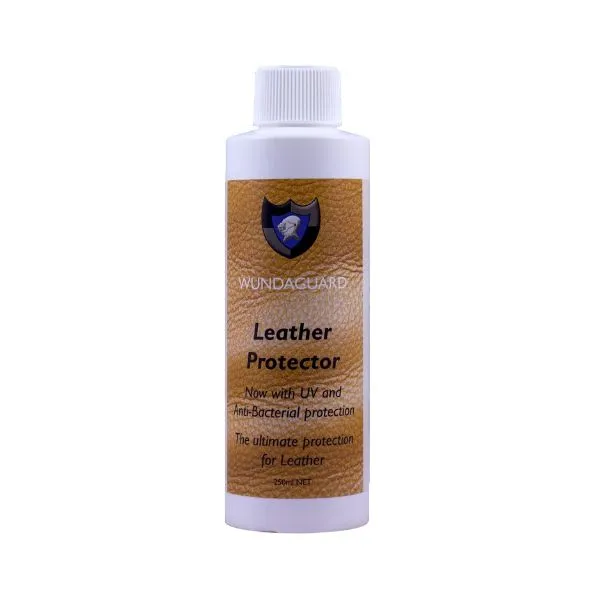
- Protect the clean surface. Finish with Wundaguard Leather Protector, a water-based cream that creates an invisible barrier against spills and stains.
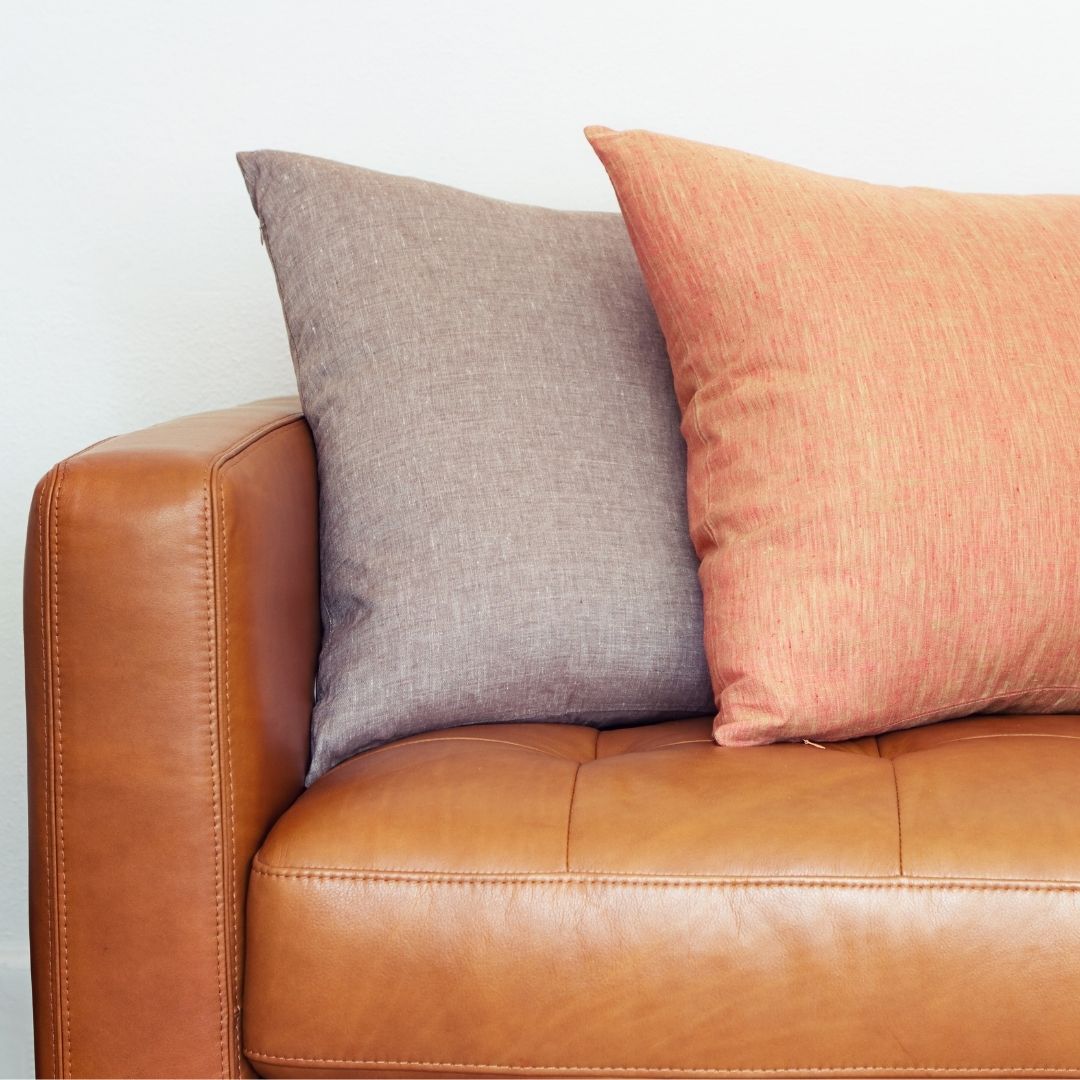
What Leather Cleaner Should You Choose for Your Sofa?
The best cleaner for a leather sofa is one specifically designed for leather, rather than a generic household cleaner. Wundaguard offers a premium leather care range online, featuring the same high-quality formula trusted by our technicians for cleaning leather furniture. This range is pH balanced and safe for use on top-coated leather.
- Leather Cleaner 250mL ($29.95): effectively removes marks, food and drink stains, spills, and the buildup of sweat and body oils.
- Leather Conditioner 250mL ($49.95): maintains the leather’s softness and helps counteract fading and wear.
- Leather Protector 250mL ($59.95): safeguards against spills and stains while helping to prevent colour and dye transfer from clothing.
- Leather Maintenance Kit ($79): includes Leather Cleaner, Leather Conditioner, and two applicator cloths. Leather Protector is available separately.
Which Cleaning Products Should You Never Use on Leather?
Many common household cleaners are unsuitable for leather and can cause irreversible damage to the surface or the underlying fibres. Avoid using the following items on your leather couch:
- Baby wipes and disinfectant wipes
- Vinegar or bicarbonate of soda
- Dishwashing liquid, all-purpose sprays, and cream cleaners
- Magic erasers and window cleaners
- Olive oil or coconut oil
Baby wipes exemplify potential harm; their ingredients can degrade the leather’s coating and result in dryness. This damage occurs gradually, making it challenging for users to associate the wipes with the deterioration. A dedicated leather cleaner effectively removes dirt without compromising the protective coating.
When Should You Seek Professional Leather Couch Cleaning Services?
While regular home care is effective for maintaining your leather couch’s appearance, professional cleaning services become crucial when areas such as the arms and headrests show discolouration, when the leather loses its softness and vibrancy, or if you possess a delicate aniline or semi-aniline lounge that you prefer not to treat yourself.
Our skilled technicians are trained to clean aniline, semi-aniline, pigmented, and bonded leather. A Wundaguard professional cleaning service involves five essential steps:
- We assess the type of leather, its finish, and any areas of concern.
- We carefully remove surface dirt and oils.
- We perform a deep clean using our professional leather cleaner to eliminate embedded grime.
- We condition the leather to restore its softness and reduce the risk of cracking.
- If requested, we apply a protective layer that resists stains, spills, and UV damage.
Professional leather cleaning services start from $66 per seat. Following a cleaning session, you can expect enhanced colour, increased softness, reduced visibility of light scratches, and the removal of accumulated dirt and oils. This cleaning does not repair cracks, tears, peeling, or stretched leather; rather, it enhances the appearance without affecting the material’s structural integrity. We exclusively serve genuine leather and do not provide services for vinyl or faux leather couches.
When Is the Best Time to Protect Your Leather Furniture?
The optimal time to apply leather protection is when the leather is new or has just been cleaned, before spills and oils can accumulate. Ideally, this should happen immediately after a new sofa is delivered. If your couch has been in use for several years, we will first clean it before applying protection, ensuring that the treatment seals clean leather rather than trapping dirt.
Once the leather is protected, spills will linger on the surface longer, providing you with additional time to blot them, and everyday smudges will wipe away more easily. For further information regarding this treatment, please visit our leather furniture protection page.
Common Questions About Leather Couch Cleaning and Care
Is It Safe to Use Baby Wipes on Leather Couches?
We strongly recommend against using baby wipes. These wipes contain mild solvents, preservatives, surfactants, and fragrances to keep them moist. Over time, these ingredients can weaken the leather’s coating, leading to shiny or sticky patches and drying out the leather. It is advisable to use a cleaner specifically formulated for leather.
Does the Leather Maintenance Kit Include the Leather Protector?
No, the Leather Maintenance Kit contains the 250mL Leather Cleaner, the 250mL Leather Conditioner, and two applicator cloths. The 250mL Leather Protector is available for separate purchase if you wish to safeguard against spills and dye transfer from clothing.
Whether you prefer a professional cleaning service for your furniture or wish to maintain your leather independently, Wundaguard is here to help. Contact us at 1300 360 824 to arrange a leather cleaning or to learn more about our leather care products.
Original Article First Published At: Leather Couch Cleaning and Care: Restore, Protect, and Preserve
The Article: Leather Couch Cleaning: Tips to Restore and Protect Your Sofa first appeared on https://writebuff.com
The post Leather Couch Cleaning Tips for Restoring Your Sofa appeared first on Limits Of Strategy.
The Article Leather Couch Cleaning Tips to Revitalise Your Sofa found first on https://electroquench.com