Comprehensive Insights into Pregnancy Blood Tests Available in Epsom
What Does a Pregnancy Blood Test Involve?
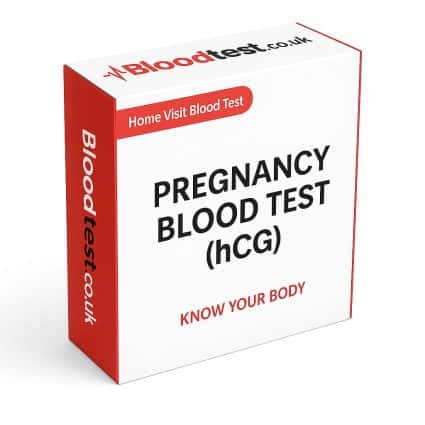
Private Pregnancy Blood Test in Epsom: A pregnancy blood test stands as a vital diagnostic tool that identifies the hormone human chorionic gonadotropin (hCG) present in the bloodstream. Within the medical facilities located in Epsom, this test is instrumental in providing quick and early confirmation of pregnancy, frequently surpassing the reliability of traditional urine tests. The procedure consists of a straightforward blood draw, which is typically quick and causes minimal discomfort. After collection, the sample is dispatched to a certified laboratory for thorough analysis, with results usually available within a few hours, ensuring a prompt response for expectant mothers.

This swift turnaround time for results empowers healthcare professionals to effectively monitor the health and progression of expectant mothers, facilitating the timely initiation of any necessary follow-up care. In Epsom, qualified professionals ensure that the procedure is performed with the utmost care, providing a dependable service for individuals seeking confirmation of pregnancy.
Essential Steps to Prepare for Your Pregnancy Blood Test
Preparing for a pregnancy blood test encompasses several pivotal elements that enhance the overall experience at healthcare facilities in Epsom. Firstly, understanding the sample collection process is crucial for patients. They should expect to provide a blood sample, typically drawn from a vein in the arm. To ensure a positive experience, consider the following preparation advice:
- Schedule your appointment ahead of time to minimise any waiting periods.
- Bring along identification and any pertinent medical records for reference.
- Adhere to any fasting guidelines specified by the clinic.
- Wear comfortable clothing that allows easy access to the arm.
- Stay well-hydrated before the appointment to facilitate easier vein access.
- Inform the healthcare provider about any medications you are currently taking.
- Arrive punctually to ensure a smooth testing process.
Being well-informed about these critical steps can significantly enhance the clinic visit for those in Epsom, ensuring that patients feel prepared and knowledgeable about their forthcoming test.
Exploring Local Clinic Options for Pregnancy Blood Testing
Epsom boasts an array of NHS and private clinics that provide access to pregnancy blood tests, ensuring individuals have a wide variety of options for their healthcare requirements. These facilities are staffed with trained professionals who understand the significance of reliable testing and are well-equipped to deliver timely results. When considering clinic availability, it is essential to review appointment scheduling options and typical wait times in the region. Many clinics operate on a walk-in basis, while others necessitate appointments, so potential patients should verify their preferred method of service. Local healthcare providers in Epsom are dedicated to maintaining accessible care and ensuring that tests are administered efficiently and promptly, which is especially vital for expectant mothers seeking early confirmation of pregnancy.
How Does a Pregnancy Blood Test Work?
Key Steps Involved in the Pregnancy Blood Testing Procedure
The procedure for conducting a pregnancy blood test comprises several essential steps that ensure accurate measurement of hCG levels. Initially, a blood sample is collected from the patient, typically through venipuncture, where a needle is inserted into a vein in the arm. This standard practice is carried out in most Epsom laboratories by trained professionals who prioritise patient comfort and safety. After collection, the blood sample is dispatched to a laboratory for analysis using advanced testing methods.
The primary focus of the test is to quantify hCG levels in the bloodstream. This hormone is produced shortly after a fertilised egg implants in the uterus, making it an early and reliable indicator of pregnancy. Tests conducted in Epsom employ state-of-the-art laboratory techniques that yield precise results, often proving more reliable than urine tests commonly used at home. Importantly, blood tests can detect pregnancy as early as six to eight days post-conception, facilitating quicker medical interventions if necessary.
What Are the Accuracy Rates of Pregnancy Blood Tests?
The accuracy of pregnancy blood tests is influenced by various factors, including the timing of the test and the laboratory techniques employed. Generally, these tests exhibit high sensitivity, meaning they can reliably detect low levels of hCG in the bloodstream. In Epsom, services adhere to stringent testing standards by following established protocols that ensure accurate results through careful sample handling and processing.
For optimal results, timing is of the essence; testing too early may result in false negatives, as hCG levels may not yet be elevated sufficiently to be detected. Consequently, healthcare professionals typically recommend waiting until at least the first day of a missed period for the best accuracy. In Epsom, trained staff are well-versed in these considerations, ensuring patients receive clear guidance regarding the most advantageous timing for their tests, thereby maximising the likelihood of accurate results.
Why Choose Blood Tests Over Other Detection Methods?
Choosing a pregnancy blood test instead of alternative methods, such as urine tests, provides numerous advantages, particularly for early detection and monitoring potential complications. Blood tests offer quantitative data on hCG levels, empowering healthcare providers to track pregnancy progression with greater precision. This is especially beneficial in Epsom, where early detection can prompt timely interventions for any health issues that may arise.
Moreover, blood testing is crucial for identifying complications like ectopic pregnancies, which can pose serious health risks if not addressed promptly. Compared to less sensitive urine tests, blood tests typically offer greater reliability and can confirm pregnancy at an earlier stage. Therefore, for expectant mothers in Epsom, opting for a blood test ensures access to more detailed information about their pregnancy, ultimately leading to improved prenatal care.
Professional Insights on Pregnancy Blood Tests in Epsom
Case Studies from Epsom Healthcare Practices
In Epsom, pregnancy blood tests have proven invaluable for managing early pregnancy, as evidenced by various case studies and real-world examples. For instance, a local woman experiencing unusual symptoms sought assistance at a clinic after missing her period. The subsequent blood test confirmed her pregnancy within hours, enabling her healthcare provider to initiate prenatal care without delay.
In another instance, a patient with a history of ectopic pregnancy was advised to undergo a blood test to closely monitor her hCG levels. The early detection enabled by the blood test prompted timely intervention, ultimately leading to a successful future pregnancy. These case studies underscore how pregnancy blood tests in Epsom assist in informed decision-making for expectant mothers, promoting proactive management of their health and that of their developing child.
Benefits Highlighted by Healthcare Experts
Healthcare specialists in Epsom emphasise the critical role of early detection facilitated by pregnancy blood tests. They assert that understanding one’s pregnancy status sooner can significantly enhance health risk management, allowing expectant mothers to receive timely support and care. Local professionals advocate for integrating blood testing within broader prenatal care strategies, as this approach aligns with enhanced monitoring protocols that can identify potential complications early.
Furthermore, specialists often highlight the emotional benefits of receiving prompt results. Early confirmation alleviates anxiety for many mothers-to-be, enabling them to engage in a supportive care framework from the outset. In Epsom, professionals are committed to ensuring that patients not only receive accurate test results but also understand their implications, fostering a collaborative approach to prenatal care.
Expert Recommendations for Expectant Mothers
Experts advise expectant mothers to schedule their pregnancy blood tests promptly upon suspecting they might be pregnant, as timely testing can substantially improve health monitoring. In Epsom, healthcare professionals encourage discussing individual circumstances with providers, particularly for women with prior pregnancy complications or those experiencing unusual symptoms.
Additionally, experts suggest maintaining open communication with healthcare providers throughout the testing process. This includes discussing the implications of test results and any necessary follow-up care. Those in Epsom are encouraged to ask questions about their health, fostering a proactive approach to pregnancy management. By adhering to these recommendations, expectant mothers can ensure they receive personalised advice that aligns with their unique situations.
What Advantages Do Pregnancy Blood Tests Provide?
Benefits of Early Detection Through Blood Tests
One of the most significant benefits of pregnancy blood tests is the ability to confirm pregnancy at an early stage. This early detection allows healthcare providers in Epsom to deliver immediate care, which is crucial for monitoring health in the early stages of pregnancy. Early confirmation of pregnancy paves the way for essential prenatal care, including proper nutritional guidance and lifestyle adjustments that benefit the well-being of both the mother and the child.
Moreover, early detection via a blood test can significantly diminish uncertainty for expectant parents. Knowing one’s pregnancy status alleviates anxiety and facilitates better planning for future appointments and care. For many women, this early confirmation is a critical step in ensuring they receive the appropriate support and resources tailored to their individual circumstances.
How Blood Tests Enhance Prenatal Care Management
The outcomes from a pregnancy blood test play a crucial role in planning medical follow-ups, thereby enhancing overall pregnancy management. In Epsom, healthcare practitioners leverage information from blood tests to schedule necessary scans and evaluations, ensuring that expectant mothers receive comprehensive support throughout their pregnancy journey.
Furthermore, these tests enable early identification of potential complications, such as fluctuations in hCG levels, which may indicate issues requiring further investigation. By integrating blood test results into a broader framework for prenatal care, healthcare providers can offer personalised recommendations tailored to each patient’s specific needs, ultimately promoting better health outcomes for both mothers and their babies.
Health Monitoring Benefits of Pregnancy Blood Tests
Pregnancy blood tests provide additional health monitoring features that extend beyond mere pregnancy confirmation. For example, these tests can identify conditions such as ectopic pregnancy, which can pose serious health risks if not addressed promptly. Here are some health benefits associated with blood tests, particularly in Epsom:
- Risk assessment for potential pregnancy complications.
- Nutritional advice tailored to individual hCG levels.
- Monitoring for signs of gestational diabetes.
- Evaluation of hormone levels for overall reproductive health.
- Early detection of ectopic pregnancy.
- Guidance on necessary lifestyle changes based on test results.
- Access to support services for mental and emotional well-being.
By utilising blood tests, expectant mothers in Epsom gain access to a wealth of information that empowers them to make informed health decisions throughout their pregnancy journey.
Emotional Reassurance and Support for Expectant Mothers
Pregnancy blood tests not only serve a medical purpose but also provide significant emotional reassurance for expectant parents. Early confirmation of pregnancy can diminish anxiety and foster a sense of stability for many women in Epsom. These tests enable individuals to connect with local counselling and support networks, which can be especially beneficial for those grappling with uncertainty or fear regarding their pregnancy.
Additionally, receiving timely results can help alleviate concerns regarding the viability of the pregnancy. Knowing that hCG levels are being monitored provides peace of mind, allowing mothers-to-be to concentrate on their health and well-being. In Epsom, healthcare providers often recommend connecting with support groups or mental health services that can offer additional emotional support, ensuring that expectant parents feel informed and empowered throughout their pregnancy journey.
Affordability and Accessibility of Pregnancy Blood Tests
Pregnancy blood tests are widely available and affordable through various clinics in Epsom, making them a practical option for expectant mothers. Many facilities offer competitive pricing, which helps to minimise financial barriers to accessing necessary healthcare. This accessibility is crucial as it enables individuals to receive timely confirmation of their pregnancy without the added stress of high costs.
Moreover, blood tests can reduce the need for multiple visits to healthcare providers, saving both time and resources. The efficiency of having results available quickly means that women in Epsom can plan their next steps in their pregnancy journey without unnecessary delays. This streamlined approach to healthcare allows for effective health management, ensuring that expectant individuals receive the care they require when they need it.
Research-Backed Benefits of Pregnancy Blood Tests in Epsom
Insights from Recent Research Studies
Recent studies conducted in the UK highlight the enhanced accuracy of pregnancy blood tests performed in Epsom. Findings suggest that timely testing correlates with better health outcomes for mothers and their babies, reinforcing the necessity of early detection. For expectant parents, these insights translate into actionable steps, such as scheduling tests as soon as they suspect pregnancy, thus ensuring effective monitoring and intervention when necessary.
Additionally, healthcare professionals in Epsom utilise this research to refine their testing protocols, ensuring that patients receive care grounded in the latest evidence. This ongoing commitment to maintaining high standards in prenatal care is vital for fostering trust among patients and improving the overall quality of care delivered within the community.
Long-Term Health Advantages for Mothers
Studies indicate that regular pregnancy blood testing correlates with improved long-term health outcomes for mothers. In Epsom, data reveal that women who engage in consistent testing throughout their pregnancies are more likely to achieve positive health outcomes, such as lower rates of complications and enhanced prenatal health.
These benefits often arise from the proactive nature of blood tests, which facilitate early intervention in the event of any abnormalities. Healthcare providers in Epsom emphasise the importance of educating their patients about the value of regular monitoring, ensuring they comprehend the long-term advantages associated with their health and well-being.
Integrating Blood Tests with Comprehensive Health Assessments
Research supports the integration of pregnancy blood tests with other health assessments for comprehensive care, which is particularly relevant to Epsom protocols. This integration may involve routine scans and additional bloodwork to evaluate overall maternal health. This holistic approach to prenatal care guarantees that expectant mothers receive thorough monitoring, allowing for timely detection and management of any potential complications.
Healthcare providers in Epsom advocate for this comprehensive monitoring strategy because it enhances the ability to tailor prenatal care to each patient’s unique needs. By leveraging various assessment methods, clinicians can deliver informed recommendations and ensure that mothers receive optimal support throughout their pregnancies.
Enhancing Access to Prenatal Care Services
Research conducted in Epsom highlights how pregnancy blood tests contribute to improved access to prenatal services. By facilitating earlier detection of pregnancy and potential complications, these tests play a vital role in supporting NHS initiatives aimed at enhancing maternal safety.
Moreover, increased accessibility to pregnancy blood tests reduces disparities in healthcare delivery, allowing a broader spectrum of expectant mothers to receive timely and effective care. In Epsom, concerted efforts are made to ensure that all individuals, regardless of their background, have access to essential services that promote healthy pregnancies and positive health outcomes.
When Is the Optimal Time to Schedule a Pregnancy Blood Test?
Optimal Timing for Your Pregnancy Blood Test
The optimal timing for a pregnancy blood test is crucial for obtaining accurate results. Healthcare providers generally recommend testing in the early weeks after a missed period, as this timeframe corresponds to the peak levels of hCG in the bloodstream. In Epsom clinics, this practice ensures timely confirmation of pregnancy, enabling prompt medical follow-up in line with standard UK guidelines.
Testing too early, such as before a missed period, may lead to inaccurate results due to insufficient hCG levels, which could cause unnecessary confusion and anxiety. Therefore, expectant mothers in Epsom should aim to schedule their blood test approximately one week after they anticipate their period will begin, ensuring that they receive the most reliable confirmation of pregnancy possible.
Factors Influencing the Timing of Your Blood Test
Several factors may influence when one should schedule a pregnancy blood test. Personal health history, including previous pregnancy complications or fertility treatments, may necessitate earlier testing. Women experiencing symptoms such as nausea or breast tenderness might also feel inclined to book a test sooner.
In Epsom, healthcare practitioners consider these individual circumstances when advising patients on when to proceed with their blood tests. Lifestyle factors, such as stress, diet, and overall health, can also impact the timing decision. Consequently, expectant mothers need to consult with their healthcare provider to establish a personalised testing schedule that aligns with their unique situations and health needs.
Identifying Signs That Indicate You Should Test
Several signs may indicate that it is time to proceed with a pregnancy blood test. The most apparent sign is a missed period, which is often a strong indicator of pregnancy. Other symptoms, including persistent nausea, breast tenderness, and fatigue, may also suggest that testing is warranted.
In Epsom, healthcare professionals recommend being attentive to these signs, as they can strongly indicate the need for testing. Expectant parents are encouraged to discuss any unusual physical changes with their healthcare provider to determine the best course of action. Identifying these signs early can lead to timely confirmation and appropriate prenatal care.
Booking Your Pregnancy Blood Test in Epsom
Booking a pregnancy blood test in Epsom is generally straightforward, with numerous NHS services and local clinics offering accessible options. Patients should check availability and waiting times to align their appointments with the ideal timing for testing. Many facilities provide online booking systems and telephone consultations for scheduling.
Expectant mothers should research different clinics to find one that meets their needs in terms of location, availability, and service quality. By ensuring that appointments are scheduled at the right time, individuals can optimise their chances of receiving accurate results and prompt follow-up care, adhering to standard UK protocols for effective scheduling and delivery of results.
Post-Testing Follow-Up Procedures
After undergoing a pregnancy blood test in Epsom, it is crucial to follow the recommended follow-up procedures to ensure comprehensive health management. Patients should arrange a follow-up appointment with their GP or healthcare provider to discuss their results in detail. This conversation will involve interpreting the results, addressing any concerns, and planning subsequent care based on the findings.
In Epsom, healthcare providers frequently emphasise the significance of follow-up tests, especially if initial results suggest potential complications. By maintaining ongoing communication with healthcare professionals, expectant mothers can stay informed about their health and receive tailored advice to support their pregnancy journey.
Standard Procedures for Conducting Pregnancy Blood Tests in the UK
Protocols and Guidelines Followed for Testing
In Epsom, facilities adhere to established NHS guidelines for conducting pregnancy blood tests, ensuring that every aspect of the procedure is both safe and effective. This includes rigorous protocols for sterilisation and handling samples to maintain the integrity of the blood draw.
Patients can expect a seamless experience, as trained staff follow established protocols that encompass preparing the site for the blood draw, using sterile equipment, and ensuring samples are properly labelled. These practices guarantee consistent and accurate results, aligning with local and national healthcare standards.
What to Expect During Your Visit for a Blood Test
During a pregnancy blood test visit in Epsom, patients can anticipate a quick, efficient process with minimal discomfort. Upon arrival, individuals will typically check in and may be asked to wait briefly before being called for their blood draw. The procedure usually takes only a few minutes, during which a healthcare professional will collect a blood sample from a vein in the arm.
Once the sample is taken, patients are generally advised to rest briefly before leaving the facility. The swift nature of this visit is designed to alleviate any apprehension, and patients can feel assured knowing that their results will be processed promptly, often within the same day.
Understanding Follow-Up Actions After Receiving Results
After receiving the results of a pregnancy blood test, understanding the outcomes and planning subsequent actions become paramount. In Epsom, healthcare professionals provide guidance on interpreting results and explain what hCG levels signify for the patient’s health and pregnancy status.
Post-test actions may include scheduling further tests if necessary, consulting a doctor for additional advice, or discussing potential treatment plans based on the findings. Patients are encouraged to take an active role in this process by asking questions and seeking clarification on any aspects of their results or subsequent care recommendations.
Preparing for Your Pregnancy Blood Test in Epsom
Key Preparations Before Undergoing the Test
To ensure a seamless experience at Epsom clinics for a pregnancy blood test, patients should gather necessary documents and adhere to specific instructions provided by the clinic. This preparation includes bringing identification, such as a driver’s licence or NHS card, along with any relevant medical history that may assist the healthcare provider in understanding the patient’s background.
Additionally, patients should comply with any fasting requirements prescribed by the clinic, which may entail refraining from eating or drinking for a specified period before the test. Following these instructions not only facilitates a smoother appointment but also contributes to the accuracy of the results, ultimately enhancing the overall testing experience.
Addressing Potential Risks and Minimising Them
While pregnancy blood tests are generally safe, it is essential to address possible risks. One common concern is vein accessibility, which can occasionally be affected by dehydration. To mitigate this risk, patients in Epsom are encouraged to drink plenty of fluids before their appointment to ensure proper hydration, making veins easier to locate for the blood draw.
Moreover, those with a history of fainting or feeling lightheaded during blood draws should communicate this with their healthcare provider, as strategies can be employed to enhance comfort during the procedure. By proactively addressing these concerns, expectant mothers can ensure a worry-free testing experience.
Post-Test Care Recommendations for Expectant Mothers
After undergoing a pregnancy blood test, post-test care involves straightforward yet important steps to ensure continued health and well-being. Patients should rest and take it easy for the remainder of the day, particularly if they experience any discomfort following the blood draw.
Monitoring the puncture site for any signs of excessive bruising or bleeding is also advisable. If any unusual symptoms occur, such as severe pain or swelling, it is crucial to contact the clinic or healthcare provider immediately. By taking these precautions, individuals can support their recovery after testing and focus on their health moving forward.
Understanding the Pregnancy Blood Test Procedure
Gaining insight into the pregnancy blood test procedure is beneficial for expectant mothers in Epsom, as it helps demystify the process and alleviates any anxiety associated with it. The test involves a blood draw, which is conducted by trained professionals who prioritise patient comfort and safety.
Once the blood is collected, it is sent to a laboratory for analysis, where hCG levels are measured to determine the status of the pregnancy. By understanding the essentials of the test and its significance, expectant mothers can feel more informed and prepared, ultimately enhancing their experience with local healthcare services.
Frequently Asked Questions About Pregnancy Blood Tests
What Does a Pregnancy Blood Test Involve?
A pregnancy blood test detects the hormone hCG, confirming pregnancy much earlier than urine tests. It is conducted through a blood draw in a healthcare setting, ensuring accuracy and reliability.
How Accurate Are Pregnancy Blood Tests?
Pregnancy blood tests are highly accurate, especially when taken after a missed period, as they can detect even low levels of hCG in the bloodstream, providing reliable confirmation of pregnancy.
When Should I Schedule a Pregnancy Blood Test?
It is ideal to take a pregnancy blood test approximately one week after a missed period for the most accurate results, as hCG levels will be sufficiently elevated by then.
What Happens During the Blood Test?
During a pregnancy blood test, a healthcare professional will draw a blood sample from your arm, which is subsequently sent to a laboratory for analysis to confirm pregnancy status.
Are There Any Risks Associated with the Procedure?
The risks are minimal and primarily include minor discomfort during the blood draw or bruising at the injection site. Serious complications are rare, making this procedure generally safe.
How Quickly Will I Receive My Results?
Results from pregnancy blood tests are typically available within a few hours to a day, depending on the clinic’s processing capabilities and efficiency.
Can I Conduct a Pregnancy Blood Test at Home?
No, pregnancy blood tests must be performed in a healthcare setting by trained professionals to ensure accuracy and safety, as at-home tests do not provide the same level of reliability.
What Should I Do If My Test Result Is Positive?
If your pregnancy blood test yields a positive result, it is important to contact your healthcare provider to discuss next steps, including prenatal care and potential further testing.
How Can I Prepare for a Pregnancy Blood Test?
Prepare by ensuring you are well hydrated, bringing any necessary identification, and following any fasting instructions provided by the clinic to ensure accurate results.
What Support Is Available Following a Positive Result?
After a positive result, various support options are available, including access to prenatal care, counselling services, and local support groups in Epsom to assist you throughout your pregnancy journey.
Join Our Community on Facebook!
This Article Was First Found On https://bloodtest.co.uk
The Article Pregnancy Blood Test: Essential Information for Epsom Residents found first on https://electroquench.com